Complete Guide to Egg Donation in Maine (2026)
Maine, known for its stunning coastline, pristine natural beauty, and tight-knit communities, offers unique opportunities for women interested in becoming egg donors. While Maine has a smaller fertility industry compared to major metropolitan areas, the state's proximity to Boston's world-renowned fertility clinics creates exceptional opportunities for Maine donors to access premium compensation rates and cutting-edge medical care. With major cities like Portland, Lewiston, Bangor, South Portland, and Auburn serving as hubs for prospective donors, Maine women can make a meaningful impact while earning substantial compensation. This comprehensive guide covers everything you need to know about becoming an egg donor in Maine in 2026, including special advantages for donors willing to work with nearby Boston clinics.
Maine Egg Donation Quick Facts
- Average First-Time Compensation: $6,000-$8,000
- Experienced Donor Compensation: $8,000-$12,000+
- Boston Market Premium: Up to $15,000+ for qualified donors
- Number of Fertility Clinics: 3-5 in-state, access to 20+ Boston-area clinics
- Major Cities for Donation: Portland, Lewiston, Bangor, South Portland, Auburn
- Age Requirements: 21-32 years old (some agencies accept 19-35)
- Process Duration: 2-3 months from application to retrieval
- Travel Advantage: Southern Maine donors 90 minutes from premium Boston clinics
Why Maine Donors Have Unique Advantages
Maine egg donors benefit from a distinctive position in the Northeast fertility market. While the state has limited local fertility infrastructure, this creates unique opportunities rather than limitations. Maine's location provides the best of both worlds: the quality of life and community values of New England living, combined with easy access to Boston's internationally recognized fertility industry, which ranks among the top three markets nationally alongside California and New York.
Proximity to Boston Market
Southern Maine is just 90 minutes from Boston, home to some of the nation's most prestigious fertility clinics including Boston IVF, Brigham and Women's Center for Reproductive Medicine, and Massachusetts General Hospital Fertility Center. This proximity allows Maine donors to access premium compensation rates typically reserved for major metropolitan areas while maintaining their Maine lifestyle.
New England Heritage & Education
Maine's strong educational institutions (University of Maine, Bowdoin College, Colby College, Bates College) and New England heritage produce educated, accomplished donors highly valued by intended parents. The state's emphasis on community, family values, and outdoor lifestyle appeals to many prospective parents.
Less Competition
With a smaller population than neighboring Massachusetts, Maine has fewer egg donors competing for matches. This can mean faster matching times and more selection opportunities, particularly for donors willing to travel to Boston clinics. National agencies actively recruit Maine donors due to limited local supply.
Rural & Coastal Appeal
Many intended parents specifically seek donors from Maine for the state's association with healthy outdoor lifestyles, natural beauty, and strong community values. Maine's reputation for resilience, independence, and authenticity can be attractive qualities in donor profiles.
Egg Donor Compensation in Maine: What to Expect
Egg donor compensation in Maine varies based on whether you work with local Maine clinics or access the Boston market. Maine-based programs typically offer competitive regional rates, while donors willing to work with Boston-area clinics can access significantly higher compensation reflecting one of the nation's top fertility markets. Your experience level, education, background, and specific traits also impact compensation.
| Donor Type | Maine Clinics | Boston Market |
|---|---|---|
| First-Time Donor | $6,000-$7,500 | $7,000-$10,000 |
| Repeat Donor (2-3 cycles) | $7,500-$9,000 | $9,000-$12,000 |
| Experienced Donor (4+ cycles) | $9,000-$11,000 | $12,000-$15,000 |
| In-Demand Characteristics | $10,000-$15,000+ | $15,000-$25,000+ |
Additional Compensation Components
- Travel Reimbursement: For Boston clinic appointments, all travel costs covered including gas/tolls or train tickets
- Lost Wages: Compensation for time off work for medical appointments and retrieval procedure
- Childcare Reimbursement: Coverage for childcare expenses during appointments
- Parking & Mileage: Full reimbursement for all medical visits
- Hotel Accommodation: If retrieval requires overnight stay, hotel fully covered
- Meal Per Diem: Daily meal allowance during travel for appointments
- All Medications: Fertility medications provided at no cost (value of $3,000-$5,000)
- Medical Insurance: Any complications covered by intended parents' insurance policy
Egg Donation Requirements in Maine
To become an egg donor in Maine, you must meet medical, physical, and lifestyle requirements established by fertility clinics and professional guidelines. These standards ensure the health and safety of both donors and resulting children.
Basic Requirements
- Age 21-32 years old (some programs accept 19-35)
- BMI between 18-30
- Non-smoker (no tobacco, vaping, or marijuana)
- No history of substance abuse
- Regular menstrual cycles (25-35 day cycles)
- Both ovaries intact and functioning normally
- No current IUD or Depo-Provera contraception
- Comfortable self-administering injections
- U.S. citizen or permanent legal resident
- Reliable transportation to appointments
Health & Lifestyle
- Excellent physical and mental health
- No hereditary genetic disorders in family
- No STDs or reproductive tract infections
- No personal or family history of mental illness
- Flexible schedule for monitoring appointments
- Ability to commit to 2-3 month process
- Willing to travel if matched with Boston clinic
- Pass comprehensive psychological evaluation
- Pass genetic carrier screening (300+ conditions)
- Pass FDA-required infectious disease testing
The Egg Donation Process in Maine: Step-by-Step
Understanding the complete egg donation journey helps you prepare for what to expect. The process is carefully structured to protect your health while ensuring the best possible outcomes for intended parents.
Step 1: Online Application (Week 1)
Complete a detailed online application through an agency or clinic website. You'll provide personal information, comprehensive medical history, educational background, multiple photos (childhood through current), family medical history, and personal interests. The application typically takes 1-2 hours. Be thorough and honest - any inaccuracies discovered later can disqualify you. Most agencies accept applications 24/7, and many actively recruit Maine donors.
Step 2: Initial Screening (Weeks 2-3)
If your application meets basic criteria, you'll have phone interviews with program coordinators to discuss your motivations, availability, and expectations. You'll provide additional documentation including driver's license copy, recent photos, and possibly academic transcripts. Preliminary blood work can often be done at Maine Medical Center, Northern Light Health facilities, or local Quest/LabCorp locations. Only 10-15% of applicants are approved at this stage.
Step 3: Profile Creation & Matching (Weeks 3-8)
Once approved, your profile enters the agency's database where intended parents can review and select donors. Your profile includes your photos, personal statement, medical history, family background, education, interests, and personality traits. Maine donors are often sought after by intended parents valuing New England heritage, strong educational backgrounds, and outdoor/active lifestyles. Matching time varies from 2 weeks to several months depending on demand for your specific characteristics.
Step 4: Medical Screening (Week 8-9)
Visit a fertility clinic for comprehensive medical evaluation. This can be at Maine Medical Partners Reproductive Health in Portland, Eastern Maine Medical Center in Bangor, or at a Boston-area clinic if matched there. The evaluation includes complete physical exam, transvaginal ultrasound to visualize ovaries and count antral follicles, blood work measuring AMH (ovarian reserve), FSH, estradiol, and thyroid function, and FDA-required infectious disease screening (HIV, hepatitis B and C, syphilis, etc.). The appointment takes 1-2 hours and is provided at no cost to you.
Step 5: Psychological Screening (Week 9-10)
Meet with a licensed mental health professional specializing in reproductive psychology. The screening can often be done via telehealth for Maine donors. You'll discuss your motivations for donating, understanding of the process, emotional readiness, support system, and any concerns. You'll complete standardized psychological assessments like the MMPI-2. This protects both you and intended parents by ensuring you're emotionally prepared for the experience. The session lasts 1-2 hours and may include follow-up if needed.
Step 6: Genetic Screening (Week 10)
Blood sample drawn for expanded carrier screening testing 300+ genetic conditions including cystic fibrosis, sickle cell disease, Tay-Sachs, spinal muscular atrophy, and many others. This can often be done at a local Maine lab with results sent to the fertility clinic. Results typically take 2-3 weeks. The screening identifies if you carry genes for conditions that could be passed to offspring, helping intended parents make informed decisions.
Step 7: Legal Contracts (Week 11-12)
Review and sign legal agreements outlining all terms of the donation including compensation amount, payment schedule, rights and responsibilities of all parties, confidentiality terms, and potential risks. You'll typically receive independent legal representation at no cost to you, often provided via teleconference for Maine donors. The contract clearly specifies that you have no parental rights or responsibilities for any resulting children. Take time to read everything carefully and ask questions about anything unclear.
Step 8: Cycle Synchronization (Week 12-13)
You may start birth control pills for 2-4 weeks to synchronize your cycle with the recipient's uterine lining preparation (if fresh embryo transfer) or to prime your ovaries for stimulation. This ensures optimal timing for the retrieval procedure and maximizes success rates. Some protocols skip this step depending on your natural cycle timing and the clinic's protocol.
Step 9: Stimulation & Monitoring (Weeks 13-15)
Begin self-administered hormone injections (typically Gonal-F, Follistim, or Menopur) to stimulate your ovaries to develop multiple mature eggs. You'll attend 5-8 monitoring appointments over 10-14 days for blood work (estradiol levels) and transvaginal ultrasounds (follicle size measurement). For Maine donors, these appointments can often be done at local facilities with coordination with the main clinic, though some Boston programs may require you to travel for monitoring. Most appointments are scheduled early morning (6-8 AM). Common side effects include bloating, mild mood changes, breast tenderness, and fatigue. You'll be in regular contact with nursing staff throughout this phase.
Step 10: Trigger Shot (36 hours before retrieval)
When your follicles reach optimal size (typically 18-20mm diameter), you'll receive precise instructions for your trigger shot (hCG or Lupron) that causes final egg maturation. Timing is absolutely critical - you must administer this injection at the exact time specified, often late evening. The retrieval procedure is then scheduled exactly 36 hours later. This precise timing ensures eggs are at the perfect stage of maturity for retrieval and fertilization.
Step 11: Egg Retrieval (Week 15)
The retrieval is a 20-30 minute outpatient procedure performed under IV sedation (twilight anesthesia) - you're asleep and feel no pain. Using transvaginal ultrasound guidance, the physician inserts a thin needle through the vaginal wall to aspirate fluid and eggs from each follicle. You must have someone drive you home afterward and should plan to rest for 24-48 hours. Most donors retrieve 15-25 eggs. If your clinic is in Boston, all travel and accommodation costs are fully covered. Most donors return to normal activities within 2-3 days, though strenuous exercise should be avoided for about a week.
Step 12: Recovery & Compensation (Weeks 15-17)
Expect mild cramping, bloating, and spotting for 2-5 days post-retrieval. Symptoms gradually improve each day. You'll have a follow-up appointment or call to ensure proper recovery. Avoid intercourse and strenuous activity for 1-2 weeks. Your compensation is processed and paid within 5-14 days of retrieval via check or direct deposit. Payment compensates your time, effort, inconvenience, and discomfort - it does not depend on the number or quality of eggs retrieved. Your cycle and fertility return to normal within 1-2 menstrual cycles.
Top Egg Donation Agencies & Clinics Serving Maine
Maine egg donors can work with local clinics or access Boston's prestigious fertility centers. Many national agencies actively recruit Maine donors. Consider compensation rates, reputation, support services, and convenience when choosing where to donate.
Maine Medical Partners Reproductive Medicine
Portland, Maine
Maine's leading fertility practice affiliated with Maine Medical Center. Offers comprehensive egg donation program with local monitoring and retrieval. Competitive regional compensation and convenient for Southern Maine donors.
Boston IVF
Boston Area (serves Maine)
One of the nation's largest and most successful fertility networks. Actively recruits Maine donors and offers premium compensation rates. Multiple convenient Boston-area locations just 90 minutes from Southern Maine.
Brigham and Women's Center for Reproductive Medicine
Boston, Massachusetts
Harvard Medical School-affiliated program offering world-class care and excellent compensation. Works with Maine donors and coordinates travel logistics. Highly selective donor program with premium rates for qualified candidates.
Creative Family Connections
National Agency (serves Maine)
Respected national egg donation agency that actively recruits Maine donors. Partners with clinics throughout New England. Known for excellent donor support, competitive compensation, and streamlined process.
Extraordinary Conceptions
National Agency (serves Maine)
Large national agency offering some of the industry's highest compensation rates. Works with Maine donors and coordinates with top Boston and Northeast fertility centers. Specializes in high-demand donor matches.
Fairfax EggBank
National (serves Maine)
Major frozen egg bank that recruits donors nationwide including Maine. Offers competitive compensation and sometimes allows remote monitoring. Good option for donors throughout Maine including more rural areas.
Circle Surrogacy & Egg Donation
Boston Area (serves Maine)
Well-established Boston-based agency serving Maine donors. Excellent reputation, comprehensive support services, and competitive compensation. Works with top New England fertility clinics.
My Donor Cycle
National Agency (serves Maine)
Transparent national agency known for excellent communication and donor care. Works with Maine donors throughout the state and coordinates with Northeast clinics. Competitive compensation packages.
Egg Donor Preparation Essentials
As an Amazon Associate, we earn from qualifying purchases. These products may help with your donation journey.

Pink Stork Total Prenatal + DHA
EssentialStart 2-3 months before donation. Supports egg health and overall fertility.

Pure Enrichment PureRelief Heating Pad
RecoveryRelieves cramps and discomfort during hormone injections and post-retrieval recovery.
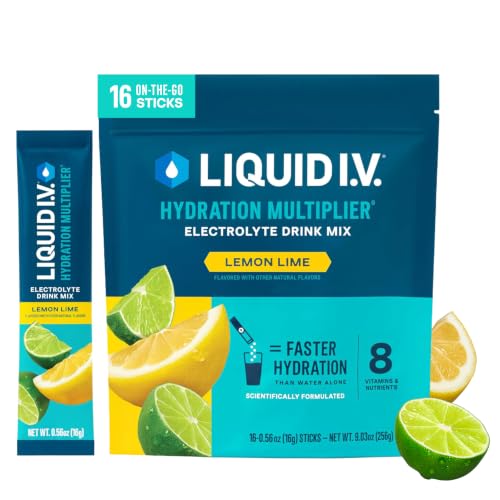
Liquid I.V. Electrolyte Packets (16 ct)
Stay hydrated during stimulation and recovery. Helps prevent OHSS symptoms.

Ekouaer 2-Pack Pajama Lounge Set
Soft, loose-fitting clothes for recovery days. Avoid tight waistbands post-retrieval.
Egg Donation in Maine Cities
Opportunities and logistics vary by location within Maine. Here's what to expect in major cities:
Portland
Maine's largest city and the state's fertility hub. Home to Maine Medical Partners Reproductive Medicine, the state's premier fertility center. Portland donors enjoy convenient local monitoring and retrieval options. The city's vibrant culture, strong economy, and presence of universities (University of Southern Maine) create a steady pool of qualified donors. Compensation ranges from $6,000-$8,000 locally, or $7,000-$12,000+ if working with Boston clinics (just 105 miles/90 minutes away). Portland's location makes it ideal for accessing both Maine and Massachusetts opportunities. Strong demand for donors from Maine's largest metro area.
Lewiston & Auburn
Maine's second-largest metropolitan area (the twin cities). Located 35 miles north of Portland with easy highway access to both Portland and Boston facilities. Home to Bates College, providing educated donor candidates. Donors can do monitoring at Central Maine Medical Center or travel to Portland (30 minutes) or Boston (2 hours). Compensation ranges from $6,000-$8,000 for local programs or up to $12,000+ for Boston matches. The area's Franco-American heritage may be attractive to some intended parents. Good opportunities for donors willing to make occasional trips to Portland or Boston.
Bangor
Central Maine's largest city and hub for Northern Maine. Home to University of Maine and Northern Light Eastern Maine Medical Center. While local fertility services are limited, Bangor donors can work with national agencies and coordinate monitoring through local facilities with travel to Portland or Boston for retrieval (all expenses covered). Compensation typically $6,000-$8,000 for regional programs or up to $10,000+ for Boston-area matches. The city's location serves donors throughout Northern and Central Maine. Agencies actively recruit Bangor-area donors due to limited local supply.
South Portland
Part of the Greater Portland area with excellent access to Portland fertility services. Just minutes from Maine Medical Partners and 90 minutes from Boston's major fertility centers. Donors enjoy all the advantages of Portland's medical infrastructure while often having slightly less competition. Compensation ranges from $6,000-$8,000 locally or $7,000-$12,000+ for Boston market. Ideal location for donors wanting to maximize opportunities in both Maine and Massachusetts markets. The waterfront community appeals to intended parents seeking Maine's coastal lifestyle.
Other Maine Communities
Donors from smaller cities and rural areas including Augusta, Biddeford, Brunswick, Waterville, Presque Isle, and coastal communities can absolutely donate eggs. National agencies work with donors statewide. Monitoring can often be coordinated at local hospitals or Quest/LabCorp facilities, with travel only required for final appointments and retrieval (all expenses fully reimbursed). Some programs offer remote monitoring technology. Rural location should not deter you from applying - agencies value Maine donors and will work with your logistics. Compensation typically $6,000-$8,000, potentially higher for Boston-area matches.
Maine Egg Donation Laws and Legal Framework
Maine has favorable laws regarding assisted reproduction and egg donation. Understanding these legal protections helps ensure a safe, protected donation experience:
- Parental Rights Termination: Maine law clearly establishes that egg donors have no parental rights or responsibilities to children born from donated eggs. The intended parents are the legal parents from birth. This must be documented in written agreements before donation proceeds.
- Compensation Legality: Egg donor compensation is fully legal in Maine with no state-imposed limits. Maine follows ASRM ethical guidelines that recommend compensation reflect time, effort, and inconvenience rather than paying for the eggs themselves. Compensation above $10,000 may require additional justification but is permitted.
- Contract Enforceability: Maine courts recognize and enforce egg donation contracts that meet basic contract law requirements. Having independent legal counsel (provided by the agency at no cost to you) ensures your rights are protected and terms are clearly understood.
- Anonymous and Known Donation: Both anonymous and known (identified) egg donations are legal in Maine. You can specify your preference. Many modern programs offer semi-open arrangements where contact information may be shared when offspring reach age 18, if both parties consent.
- Medical Privacy: Maine follows federal HIPAA regulations strictly protecting your medical information and health records throughout the donation process. Your identity and medical details remain confidential unless you consent to disclosure.
- Informed Consent Requirements: Maine medical law requires comprehensive informed consent for all medical procedures. Fertility clinics must provide detailed information about risks, benefits, alternatives, and answer all your questions before you proceed.
- Age of Majority: While Maine's age of majority is 18, virtually all egg donation programs require donors to be at least 21 to ensure full maturity and legal capacity to consent to the medical procedures and contractual obligations involved.
Maximizing Your Compensation as a Maine Donor
Maine donors can employ several strategies to maximize earnings while maintaining safety and ethical standards:
Egg donor pay by city in Maine
Start with Maine egg donor pay statewide, then the program nearest you.
- Auburn egg donor pay
- Augusta egg donor pay
- Bangor egg donor pay
- Biddeford egg donor pay
- Lewiston egg donor pay
- Portland egg donor pay
- Saco egg donor pay
- Sanford egg donor pay
- South Portland egg donor pay
- Westbrook egg donor pay
Other donor pay in Maine
Egg donor pay by state
- Alabama egg donor pay
- Alaska egg donor pay
- Arizona egg donor pay
- Arkansas egg donor pay
- California egg donor pay
- Colorado egg donor pay
- Connecticut egg donor pay
- Delaware egg donor pay
- Florida egg donor pay
- Georgia egg donor pay
- Hawaii egg donor pay
- Idaho egg donor pay
- Illinois egg donor pay
- Indiana egg donor pay
- Iowa egg donor pay
- Kansas egg donor pay
- Kentucky egg donor pay
- Louisiana egg donor pay
- Maryland egg donor pay
- Massachusetts egg donor pay
- Michigan egg donor pay
- Minnesota egg donor pay
- Mississippi egg donor pay
- Missouri egg donor pay
- Montana egg donor pay
- Nebraska egg donor pay
- Nevada egg donor pay
- New Hampshire egg donor pay
- New Jersey egg donor pay
- New Mexico egg donor pay
- New York egg donor pay
- North Carolina egg donor pay
- North Dakota egg donor pay
- Ohio egg donor pay
- Oklahoma egg donor pay
- Oregon egg donor pay
- Pennsylvania egg donor pay
- Rhode Island egg donor pay
- South Carolina egg donor pay
Proven Strategies for Maximum Compensation
- Consider Boston Market Access: Southern Maine donors within 2 hours of Boston can access compensation rates 20-50% higher than local programs. All travel costs are reimbursed, making Boston clinics financially attractive for qualified donors willing to travel occasionally.
- Apply to Multiple Programs: Apply to 3-5 reputable agencies including both Maine-based and national agencies serving your area. Different agencies have different client bases and compensation structures. More applications mean faster matching and the ability to compare offers.
- Highlight Maine-Specific Qualities: Emphasize qualities valued by intended parents seeking Maine donors: outdoor lifestyle, strong work ethic, community values, New England heritage, resilience, and connection to nature. These intangibles can make your profile stand out.
- Showcase Education: Donors from Maine colleges (Bowdoin, Colby, Bates, University of Maine) or with advanced degrees (Master's, PhD, professional degrees) can command premium rates of $10,000-$15,000+. Include academic achievements prominently in your profile.
- Be Flexible with Travel: Willingness to travel to Boston, Portland, or other locations significantly increases your matching opportunities and compensation potential. All expenses are covered, and premium pay for travel inconvenience is often included.
- Complete Multiple Cycles: Proven successful donors earn $1,000-$5,000 more per subsequent cycle. You can safely donate up to 6 times per ASRM guidelines. Build relationships with agencies for repeat opportunities.
- Professional Photos: High-quality, natural photos significantly impact selection rates. Include diverse photos: outdoor activities reflecting Maine lifestyle, professional headshots, casual family photos, and childhood pictures. No heavy filters or editing - authenticity matters.
- Compelling Personal Essay: Write authentically about your motivations, values, interests, and what makes you unique. Mention meaningful aspects of Maine life if relevant. Have someone proofread for grammar and clarity. Intended parents read every word.
- Maintain Excellent Health: Healthy lifestyle choices (regular exercise, nutritious diet, avoiding smoking/excessive alcohol) keep you eligible for future cycles and may improve egg quality, making you more desirable for repeat cycles.
- Respond Promptly: Quick responses to agency communications and reliable attendance at all appointments build your reputation as a professional donor, leading to repeat opportunities and referrals to premium programs.
Frequently Asked Questions About Maine Egg Donation
Is egg donation safe?
Yes, egg donation is generally very safe when performed by qualified professionals at accredited facilities. Maine and Boston clinics follow strict ASRM guidelines and FDA regulations. Common temporary side effects include bloating, mild cramping, mood changes, and breast tenderness. Serious complications are rare: ovarian hyperstimulation syndrome occurs in 1-3% of cases (monitored closely to prevent), and infection or bleeding from retrieval affects less than 1% of donors. Long-term studies show no impact on future fertility or increased health risks. You'll receive comprehensive medical screening and close monitoring throughout the process.
Will donating eggs affect my future fertility?
No, extensive research shows egg donation does not affect your future ability to conceive. Women are born with 1-2 million eggs, with about 300,000-400,000 remaining by puberty. You naturally lose approximately 1,000 eggs monthly through normal attrition, with typically just one ovulating. Egg donation retrieves 15-25 eggs that would have been lost that month anyway. The process does not deplete your overall reserve or damage your reproductive system. Thousands of egg donors have successfully conceived and carried healthy pregnancies after donating.
Do I need to travel to Boston to donate?
Not necessarily. Maine has fertility clinics in Portland and other locations where you can complete the entire process locally. However, Boston's major fertility centers often offer 20-50% higher compensation. If you work with a Boston clinic, monitoring appointments can sometimes be coordinated locally in Maine, with travel required only for final appointments and retrieval. All travel expenses (gas/tolls, train tickets, parking, hotel if needed, meals) are fully reimbursed, and you may receive additional compensation for travel time. Many Southern Maine donors find the premium Boston compensation worth occasional travel.
How long does the process take?
The complete process from application to compensation takes approximately 2-3 months. Application to matching: 2-8 weeks (can be faster or slower depending on demand for your characteristics). Once matched, medical and psychological screening: 2-3 weeks. Legal contracts: 1-2 weeks. Active medication and monitoring: 2-3 weeks. Retrieval procedure: 20-30 minutes. Recovery and payment: 1-2 weeks after retrieval. Total time commitment is about 40-60 hours including applications, appointments, travel, and the procedure itself. Maine donors working with Boston clinics may add a few hours for travel time.
Is egg donor compensation taxable in Maine?
Yes, egg donor compensation is considered taxable income by the IRS. You'll receive a 1099-MISC form for payments over $600. However, Maine has no state income tax, so you only owe federal taxes - a significant advantage over neighboring states. Expect to set aside 20-30% for federal taxes depending on your income bracket. Travel reimbursements for documented expenses are generally not taxable. Consult a tax professional about potentially deducting unreimbursed expenses related to donation. Keep detailed records of all income and expenses related to your donation.
Can I donate if I live in rural Maine?
Absolutely. National agencies recruit donors from throughout Maine, including rural and coastal communities. While you may have limited local fertility clinics, monitoring can often be coordinated at regional hospitals, local OB/GYN offices, or Quest/LabCorp facilities near you. You'd travel to Portland or Boston only for the retrieval and possibly final monitoring appointments - all travel expenses fully covered. Some programs offer remote monitoring technology reducing travel requirements. Rural location should not deter you from applying. Agencies actively seek Maine donors and will work with your logistics to make the process feasible.
What if I'm a college student in Maine?
College students at Maine universities (Bowdoin, Colby, Bates, University of Maine, etc.) are often ideal egg donor candidates. You must be at least 21 years old. The flexible schedule of college life can accommodate monitoring appointments, and educational accomplishments are highly valued by intended parents. Many agencies actively recruit on or near college campuses. Higher education may increase your compensation. The 2-3 month commitment fits well within a semester. Just ensure you can maintain your academic performance while managing appointments and temporary medication side effects like fatigue or bloating.
Will I meet the intended parents?
This depends on the donation arrangement type. Anonymous donations (most common) involve no contact - all communication flows through the agency. Semi-open arrangements may include exchanging letters or emails through the agency without revealing identities. Known/open donations involve direct contact, possibly including phone calls or in-person meetings. You specify your preferences when applying. Some arrangements allow future contact when offspring reach age 18. Many Maine donors working with out-of-state or international intended parents communicate via video calls but never meet in person. Your comfort level should guide your decision.
How many eggs will be retrieved?
Most donors produce 15-25 mature eggs per cycle, though this varies based on individual ovarian reserve, age, and response to medications. Some donors produce fewer (10-15) and some more (25-30+). Your compensation is not dependent on the number of eggs retrieved - you're compensated for your time, effort, and discomfort regardless of quantity. The stimulation medications and monitoring are specifically designed to maximize the number of high-quality eggs safely retrievable. Your initial medical screening includes ovarian reserve testing (AMH levels, antral follicle count) to predict likely response.
Can I donate if I have student loans or debt?
Yes, having student loans, credit card debt, or other financial obligations does not disqualify you from egg donation. Many donors use compensation to pay down student loans, build emergency savings, or achieve other financial goals. However, agencies will ask about your motivations during screening. Showing that you understand the process, are committed to helping others, and view compensation as fair recognition for your contribution (not just quick money) is important. Financial need combined with genuine desire to help families is a perfectly valid motivation. Just be honest in your application and interviews.
Ready to Start Your Maine Egg Donation Journey?
Becoming an egg donor in Maine offers a unique opportunity to help build families while earning substantial compensation. Whether you're in Portland, Lewiston, Bangor, or any Maine community, you can make a meaningful difference. Maine donors benefit from the state's quality of life, lack of state income tax, and special access to Boston's premium fertility market - all while maintaining the lifestyle and values that make Maine special. With compensation ranging from $6,000-$15,000 per cycle, comprehensive medical care, and strong legal protections, egg donation provides both financial rewards and the satisfaction of helping others achieve their dreams of parenthood. Use our calculator above to estimate your potential earnings, research reputable agencies serving Maine, and take the first step toward this rewarding experience.