Complete Guide to Egg Donation in Nebraska (2026)
Nebraska offers excellent opportunities for women interested in becoming egg donors, with growing demand across the state, particularly in Omaha and Lincoln. The state's progressive healthcare landscape and proximity to major medical centers in Kansas City and Denver create unique opportunities for Nebraska donors. This comprehensive guide covers everything you need to know about egg donation in Nebraska, from compensation expectations to the application process, legal considerations, and top agencies serving the Cornhusker State.
Nebraska Egg Donation Quick Facts
- Average First-Time Compensation: $6,000-$8,000
- Experienced Donor Compensation: $8,000-$15,000+
- Number of Fertility Clinics: 8+ statewide
- Major Cities for Donation: Omaha, Lincoln, Grand Island, Kearney, Fremont
- Age Requirements: 21-32 years old (some agencies accept 19-35)
- Process Duration: 2-3 months from application to retrieval
Egg Donor Compensation in Nebraska: What to Expect
Egg donor compensation in Nebraska varies based on several factors including your location within the state, the agency or clinic you work with, your experience level, and your individual qualifications. Nebraska compensation rates are competitive with national averages, particularly in the Omaha metropolitan area where demand is highest. Donors in Omaha often receive compensation at the higher end of the range, while those in smaller cities may start at the base rate but still have access to excellent programs.
One unique aspect of Nebraska egg donation is that some donors from smaller cities like Grand Island, Kearney, or North Platte may have opportunities to work with agencies in Kansas City or Denver, which can sometimes offer premium compensation packages. Many national agencies actively recruit Nebraska donors and cover travel expenses for monitoring and retrieval procedures.
| Donor Type | Compensation Range | Notes |
|---|---|---|
| First-Time Donor | $6,000-$8,000 | Standard rate for new donors |
| Repeat Donor (2-3 cycles) | $8,000-$10,000 | Proven track record bonus |
| Experienced Donor (4+ cycles) | $10,000-$15,000 | Premium compensation |
| In-Demand Characteristics | $12,000-$20,000+ | Advanced degrees, specific ethnicities, athletic background |
Egg Donation Requirements in Nebraska
To become an egg donor in Nebraska, you must meet certain medical, physical, and lifestyle requirements. While specific criteria vary by agency, most Nebraska egg donation programs require the following qualifications. Nebraska agencies are particularly thorough in their screening process to ensure the safety and health of both donors and recipients.
Basic Requirements
- Age 21-32 years old (some accept 19-35)
- BMI between 18-30
- Non-smoker (including vaping and e-cigarettes)
- No history of drug abuse or substance dependency
- Regular, predictable menstrual cycles
- Both ovaries intact and functioning
- No current IUD or Depo-Provera use
- Willing to self-administer injections daily
Health & Lifestyle
- Good physical and mental health
- No hereditary genetic disorders in family
- No STDs or reproductive infections
- Reliable transportation to medical appointments
- Flexible schedule for monitoring visits
- Committed to full 2-3 month process
- Pass comprehensive psychological screening
- Pass genetic screening and carrier testing
The Egg Donation Process in Nebraska: Step-by-Step
Understanding the egg donation process helps you prepare for what to expect throughout your journey. Here is a detailed breakdown of each stage specific to Nebraska donors. The process is the same whether you're working with a local Omaha clinic or a national agency.
Step 1: Application (Week 1)
Complete an online application with personal information, medical history, childhood and recent photos, educational background, and detailed family medical history. This typically takes 1-2 hours. Nebraska agencies particularly value thorough applications that include information about hobbies, talents, and personal achievements. Be honest and detailed - inaccuracies discovered later can disqualify you from the program.
Step 2: Initial Screening (Weeks 2-3)
If your application is accepted, you will complete phone interviews with agency coordinators, provide additional documentation including educational transcripts if applicable, and undergo preliminary blood tests at a local lab. Nebraska donors may have the option to complete some screening locally even when working with out-of-state agencies. Some agencies require an in-person or video meeting at this stage to discuss your motivations and expectations.
Step 3: Medical Screening (Weeks 3-4)
Visit a fertility clinic for comprehensive medical evaluation including physical exam, transvaginal ultrasound to assess ovarian reserve and antral follicle count, blood work for hormone levels (FSH, AMH, estradiol), infectious disease screening (HIV, hepatitis, syphilis), and drug testing. In Nebraska, most donors visit clinics in Omaha or Lincoln for this screening. This evaluation is typically free to you - the intended parents or agency covers all medical costs.
Step 4: Psychological Screening (Week 4)
Meet with a licensed mental health professional specializing in reproductive medicine to discuss your motivations for donating, understanding of the process and its implications, emotional readiness and coping strategies, and any personal or family mental health history. This can often be conducted via telehealth for Nebraska donors outside major cities. This protects both you and the intended parents and ensures you're making an informed, healthy decision.
Step 5: Matching (Weeks 4-6)
Once approved, your profile enters the donor database where intended parents can review it. Nebraska donors are often sought after for their Midwestern values, strong work ethic, and diverse backgrounds. You may be matched quickly or it may take several weeks depending on your characteristics and intended parent preferences. You have the right to accept or decline any match.
Step 6: Legal Contracts (Week 5-7)
Review and sign legal agreements outlining compensation structure and payment schedule, your responsibilities throughout the process, parental rights (you have none), confidentiality and anonymity terms, and what happens in various scenarios. Nebraska follows clear legal precedents regarding egg donation. Many agencies provide independent legal counsel at no cost to you. Take time to read everything carefully and ask questions before signing.
Step 7: Medication & Monitoring (Weeks 8-10)
Begin self-administered hormone injections to stimulate egg production. You will have 5-8 monitoring appointments over 10-14 days for blood tests and ultrasounds to track follicle development. Nebraska donors typically visit clinics in Omaha, Lincoln, or occasionally travel to Kansas City or Denver depending on their agency. Side effects may include bloating, mild cramping, mood changes, breast tenderness, and fatigue. Most donors continue working and normal activities during this phase.
Step 8: Egg Retrieval (Week 10-11)
A 20-30 minute outpatient procedure performed under IV sedation at a fertility clinic. The doctor uses an ultrasound-guided needle to retrieve eggs from your ovaries. You will need someone to drive you home and should plan to rest for 1-2 days. Most donors experience cramping similar to menstrual cramps and some bloating. Most return to normal activities within 24-48 hours, though strenuous exercise should be avoided for a week.
Step 9: Recovery & Compensation (Weeks 11-12)
You will have a follow-up appointment 1-2 weeks after retrieval to ensure your ovaries have returned to normal size. Receive your compensation via check or direct deposit within 5-14 days of retrieval. Payment is for your time, effort, and inconvenience - it does not depend on the number or quality of eggs retrieved. Your next menstrual period may be earlier or later than expected, which is normal.
Top Egg Donation Agencies Serving Nebraska
Several reputable egg donation agencies and fertility clinics serve Nebraska donors. When choosing an agency, consider their compensation rates, support services throughout the process, reputation and years in business, proximity to your location, and whether they offer travel arrangements if needed. Here are the top options for Nebraska residents:
Nebraska Fertility Center
Omaha, NE
One of Nebraska's premier fertility practices, offering comprehensive egg donation programs with competitive compensation. Located in west Omaha with convenient access for donors throughout the metro area. Known for personalized care and excellent donor support staff.
University of Nebraska Medical Center
Omaha, NE
Academic medical center with a robust egg donation program serving the entire state. Offers cutting-edge fertility treatments and research-backed protocols. Particularly good for donors who value working with a university-affiliated program.
Fairfax EggBank
National (serves Nebraska)
Major national egg bank that actively recruits donors from Nebraska. Offers premium compensation rates and works with donors throughout the state. Provides local monitoring options in Omaha and Lincoln with travel to their partner clinics for retrieval if needed.
MyEggBank
National (serves Nebraska)
One of the largest frozen egg banks in North America, accepting applications from qualified Nebraska donors. Known for efficient processes and excellent donor compensation. Often arranges local monitoring with retrieval at partner facilities.
Shady Grove Fertility
National (serves Nebraska)
Large fertility network that accepts donor applications from Nebraska residents. Known for excellent donor support, comprehensive screening, and competitive pay. Works with local clinics for monitoring appointments.
Circle Surrogacy & Egg Donation
National (serves Nebraska)
Well-established agency with over 25 years of experience, serving donors across Nebraska. Offers personalized matching, generous compensation, and travel coordination for out-of-state retrievals when necessary.
Egg Donor Preparation Essentials
As an Amazon Associate, we earn from qualifying purchases. These products may help with your donation journey.

Pink Stork Total Prenatal + DHA
EssentialStart 2-3 months before donation. Supports egg health and overall fertility.

Pure Enrichment PureRelief Heating Pad
RecoveryRelieves cramps and discomfort during hormone injections and post-retrieval recovery.
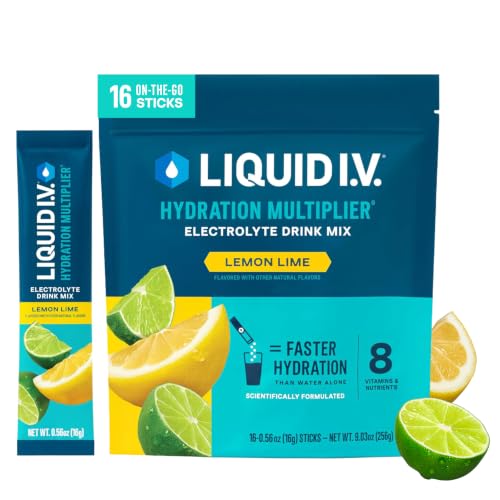
Liquid I.V. Electrolyte Packets (16 ct)
Stay hydrated during stimulation and recovery. Helps prevent OHSS symptoms.

Ekouaer 2-Pack Pajama Lounge Set
Soft, loose-fitting clothes for recovery days. Avoid tight waistbands post-retrieval.
Nebraska Egg Donation by City
Egg donation opportunities and logistics vary by location within Nebraska. Here is what you can expect in major cities across the state:
Omaha
As Nebraska's largest city, Omaha has the highest concentration of fertility clinics and the greatest demand for egg donors. The metro area is home to several major fertility centers including those at UNMC and private practices in west Omaha. Compensation tends to be at the higher end of the range ($7,000-$10,000 for first-time donors). Omaha donors have the advantage of completing all monitoring and retrieval procedures locally without travel. The city's diverse population means demand for donors of various ethnic backgrounds. Home to Creighton University and University of Nebraska Omaha, there's particular interest in donors with higher education.
Lincoln
The state capital and home to the University of Nebraska-Lincoln, Lincoln has several fertility clinics and steady demand for egg donors. Being a major university town creates consistent need for donors, particularly those with academic backgrounds. Compensation typically ranges from $6,000-$8,000 for new donors. Lincoln donors can usually complete all appointments locally, though some may travel to Omaha for specific procedures. The city's strong healthcare infrastructure means excellent local monitoring options.
Grand Island
Central Nebraska's largest city has limited local fertility clinic options, but donors can work with national agencies that arrange monitoring at local medical facilities. Some Grand Island donors travel to Omaha (about 90 minutes) or Lincoln (about 100 minutes) for appointments. Compensation is typically $6,000-$7,500. The advantage for Grand Island donors is less competition in the local market, and national agencies actively recruit from smaller Nebraska cities.
Kearney
Home to the University of Nebraska at Kearney, this central Nebraska city has donors who typically work with national agencies. Monitoring appointments can often be arranged locally with retrieval in Omaha or occasionally Kansas City. The university presence creates interest in donors with educational backgrounds. Travel expenses are typically covered by agencies when donors need to travel to Omaha for procedures.
Fremont
Located just 30 minutes from Omaha, Fremont donors have easy access to the metro area's fertility clinics while enjoying the benefits of small-town living. Many Fremont donors work with Omaha-based agencies and make the short drive for monitoring and retrieval. Compensation rates are similar to Omaha ($6,500-$8,000 for first-time donors).
Nebraska Egg Donation Laws and Regulations
Nebraska has specific laws and legal precedents regarding egg donation and assisted reproduction that donors should understand before beginning the process. Understanding these regulations protects both you and the intended parents:
- Parental Rights: Nebraska law clearly establishes that egg donors have no parental rights or responsibilities to children born from donated eggs. This is documented in legal contracts before the donation process begins. The intended parents are recognized as the legal parents from birth.
- Compensation Legality: Egg donor compensation is legal in Nebraska. There are no state-imposed limits on compensation amounts, though ASRM (American Society for Reproductive Medicine) guidelines recommend compensation reflect time, effort, and inconvenience rather than paying for the eggs themselves. Nebraska agencies typically follow these ethical guidelines.
- Anonymous vs. Known Donation: Both anonymous and known (open ID) donations are legal in Nebraska. You can choose your preference when applying. Anonymous means your identity remains confidential to recipients, though the child may have access to non-identifying information. Known or open ID means the child can potentially contact you when they reach adulthood (typically age 18).
- Age of Consent: Donors must be at least 21 years old to donate eggs in Nebraska, ensuring full legal capacity to consent to medical procedures and binding contracts. Some agencies accepting donors at 19-20 may have additional requirements.
- Medical Records Privacy: Nebraska follows HIPAA (Health Insurance Portability and Accountability Act) regulations protecting your medical privacy throughout the donation process. Your medical information is kept confidential unless you authorize its release.
- Contract Requirements: Nebraska law requires written agreements between donors and intended parents or agencies outlining all terms of the donation, including compensation, medical procedures, parental rights, and confidentiality provisions.
Maximizing Your Egg Donor Compensation in Nebraska
While base compensation is set by agencies and follows ethical guidelines, several factors can help you earn more as an egg donor in Nebraska. Here are strategies to maximize your compensation:
Egg donor pay by city in Nebraska
Start with Nebraska egg donor pay statewide, then the program nearest you.
- Bellevue egg donor pay
- Columbus egg donor pay
- Fremont egg donor pay
- Grand Island egg donor pay
- Hastings egg donor pay
- Kearney egg donor pay
- Lincoln egg donor pay
- Norfolk egg donor pay
- North Platte egg donor pay
- Omaha egg donor pay
Other donor pay in Nebraska
Egg donor pay by state
- Alabama egg donor pay
- Alaska egg donor pay
- Arizona egg donor pay
- Arkansas egg donor pay
- California egg donor pay
- Colorado egg donor pay
- Connecticut egg donor pay
- Delaware egg donor pay
- Florida egg donor pay
- Georgia egg donor pay
- Hawaii egg donor pay
- Idaho egg donor pay
- Illinois egg donor pay
- Indiana egg donor pay
- Iowa egg donor pay
- Kansas egg donor pay
- Kentucky egg donor pay
- Louisiana egg donor pay
- Maine egg donor pay
- Maryland egg donor pay
- Massachusetts egg donor pay
- Michigan egg donor pay
- Minnesota egg donor pay
- Mississippi egg donor pay
- Missouri egg donor pay
- Montana egg donor pay
- Nevada egg donor pay
- New Hampshire egg donor pay
- New Jersey egg donor pay
- New Mexico egg donor pay
- New York egg donor pay
- North Carolina egg donor pay
- North Dakota egg donor pay
- Ohio egg donor pay
- Oklahoma egg donor pay
- Oregon egg donor pay
- Pennsylvania egg donor pay
- Rhode Island egg donor pay
- South Carolina egg donor pay
Tips to Maximize Compensation
- Apply to Multiple Agencies: Different agencies offer different rates and have different intended parent pools. Apply to 3-5 reputable agencies to compare offers and increase your chances of matching quickly. Both local Nebraska clinics and national agencies are worth considering.
- Highlight In-Demand Traits: Advanced degrees (bachelor's or higher), specific ethnicities (particularly Asian, East Indian, or mixed race), proven fertility (having had healthy children), athletic backgrounds, artistic talents, and unique skills can command premium rates of $10,000-$20,000+.
- Complete Multiple Cycles: Repeat donors earn $1,000-$3,000 more per cycle because they have a proven track record. You can safely donate up to 6 times according to ASRM guidelines, with at least 2-3 months between cycles.
- Be Reliable and Professional: Agencies pay premiums to donors with proven track records of showing up to all appointments on time, following medication protocols exactly, and maintaining professional communication. Your reputation matters.
- Consider Travel Opportunities: Donors willing to travel to Kansas City, Denver, or other regional centers may access higher-paying opportunities. Agencies cover all travel expenses including flights, hotels, and meals.
- Maintain Excellent Health: Staying healthy between cycles keeps you eligible for future donations. Maintain a healthy BMI, don't smoke, limit alcohol, exercise regularly, and avoid STDs.
- Provide Quality Application Materials: Professional photos, well-written essays about yourself and your family, and thorough completion of all application sections help you stand out to intended parents, potentially leading to faster matching and premium compensation offers.
Common Side Effects and Health Considerations
While egg donation is generally safe, it's important to understand potential side effects and health considerations before beginning the process:
Common Side Effects (Normal)
- Bloating and mild abdominal discomfort
- Mood swings and emotional sensitivity
- Breast tenderness
- Mild cramping (similar to period cramps)
- Headaches
- Fatigue
- Temporary weight gain from water retention
- Irregular period following retrieval
When to Contact Your Doctor
- Severe abdominal pain or swelling
- Nausea and vomiting
- Difficulty breathing or shortness of breath
- Rapid weight gain (5+ pounds in 24 hours)
- Decreased urination
- Dizziness or fainting
- Heavy vaginal bleeding
- Fever over 100.4°F
The most serious potential complication is Ovarian Hyperstimulation Syndrome (OHSS), which occurs in less than 1-2% of donors. Modern monitoring protocols and medication adjustments have made severe OHSS very rare. Nebraska clinics use careful monitoring to minimize this risk.
Frequently Asked Questions About Nebraska Egg Donation
Is egg donation in Nebraska safe?
Yes, egg donation is generally safe when performed by qualified medical professionals at reputable clinics. Nebraska's fertility clinics use modern protocols and careful monitoring to minimize risks. Common side effects include bloating, mood changes, and mild cramping. Serious complications occur in less than 1% of cases. All medical procedures carry some risk, but thousands of women donate eggs safely each year.
Will donating eggs affect my future fertility?
Research shows no evidence that egg donation affects future fertility. Women are born with hundreds of thousands of eggs (typically 1-2 million), and donation retrieves only a small fraction of those that would naturally be available during a single menstrual cycle. Your body would normally only release one egg per month, while the donation process retrieves 10-20 eggs that would otherwise be lost. Studies following egg donors for years after donation show no decrease in fertility compared to non-donors.
How long does the egg donation process take in Nebraska?
The entire process from application to compensation takes approximately 2-3 months. Initial screening and matching can take 4-6 weeks, the active medication and monitoring phase is about 2-3 weeks, and you receive compensation within 1-2 weeks after retrieval. The retrieval procedure itself takes only 20-30 minutes.
Is egg donor compensation taxable in Nebraska?
Yes, egg donor compensation is considered taxable income by the IRS and must be reported on your federal tax return. You will receive a 1099-MISC form for payments over $600. Nebraska also has state income tax, so your compensation is subject to both federal and state taxes. Consider setting aside 20-30% for taxes or consulting a tax professional. Compensation is reported as "other income" and is not subject to self-employment tax since you're not operating a business.
Can I donate eggs if I have tattoos or piercings?
Yes, tattoos and piercings typically do not disqualify you from egg donation. However, you may need to wait 6-12 months after getting new tattoos or piercings before donating, depending on the agency's policies. This waiting period is a precaution against bloodborne infections. Permanent tattoos and healed piercings are not an issue.
How many times can I donate eggs in Nebraska?
ASRM guidelines recommend limiting egg donation to 6 cycles per donor. Most Nebraska clinics and agencies follow this guideline to protect donor health and limit the number of genetic offspring from a single donor. There should be at least 2-3 months between donation cycles to allow your body to fully recover. Many donors complete 2-4 cycles total.
Do I need to live in Omaha or Lincoln to donate eggs in Nebraska?
No, you can donate eggs from anywhere in Nebraska. While Omaha and Lincoln have the most local clinics, donors from smaller cities like Grand Island, Kearney, North Platte, or Fremont can work with national agencies that arrange monitoring locally and coordinate travel for retrieval procedures. Some donors are willing to travel to Kansas City or Denver for certain appointments, with all expenses covered.
Will I meet the parents who receive my eggs?
This depends on whether you choose anonymous or known donation. Most donations in Nebraska are anonymous, meaning you won't meet the intended parents or know their identity (though you'll know general information about them). Some donors and parents prefer known or semi-open arrangements where you might exchange letters or photos through the agency, or even meet in person. You can specify your preference when applying.
What happens if I need to take time off work for egg donation?
Most donors continue working throughout the process. You'll need to take time off for 5-8 monitoring appointments (typically early morning so you can work later) and 1-2 days for the retrieval procedure and recovery. Many donors use vacation days or sick time. You don't need to disclose to your employer that you're donating eggs - you can simply say you have medical appointments. The process is designed to minimize disruption to your normal life.
Are there height or weight requirements for egg donors in Nebraska?
Yes, most agencies require a BMI between 18-30 for health and safety reasons. There are no specific height requirements, though some intended parents may prefer taller donors. BMI requirements exist because extreme weights can affect hormone levels and response to medications. If your BMI is slightly outside the range, some agencies may still consider you based on overall health and body composition.
Ready to Start Your Egg Donation Journey in Nebraska?
Becoming an egg donor in Nebraska is a rewarding way to help families while earning significant compensation for your time and effort. Whether you're in Omaha, Lincoln, Grand Island, or any other Nebraska city, opportunities exist for qualified donors. Use our calculator above to estimate your potential earnings based on your experience level and characteristics, then apply to reputable agencies to begin the process. With competitive pay rates, excellent medical facilities, and both local and national agencies serving the state, Nebraska offers outstanding opportunities for women who want to make a difference.