Indiana Egg Donor Pay 2026: Earn $5,000-$15,000 Per Cycle
Become an egg donor in Indiana, Indianapolis, Fort Wayne, Evansville, and Bloomington programs. Complete compensation breakdown, 6 verified agencies, IN-specific legal context, and 2026 pay benchmarks.
Egg Donation Calculator for Indiana
Calculator Settings
Your Potential Earnings
Ready to get started?
Contact a local clinic to begin the process
Complete Guide to Egg Donation in Indiana (2026)
2026 Indiana Egg Donor Compensation
In Indiana, egg donor compensation in 2026 ranges from $5,000 to $15,000 per cycledepending on the agency, your donor profile, and whether it's your first or repeat cycle. The market has stabilized after the 2024 ASRM compensation guideline updates that lifted the previous $10,000 informal cap.
What actually drives your Indiana pay:
- Indianapolis vs rest of stateIndianapolis-area agencies pay $1,000-$3,000 more than Fort Wayne, Evansville, or Bloomington programs because demand is higher and competition for donors is steeper.
- Education and ethnicityCollege-educated donors and donors from underrepresented ethnic backgrounds typically earn $1,500-$5,000 above base rates due to intended parent demand.
- Athletic / health markersBMI in the 18-25 range, varsity-athlete history, no medical conditions, and clean genetic screening all add to compensation.
- Travel cyclesMany Indianapolis donors take "travel cycles" to Chicago, Cincinnati, or Louisville for matched intended parents. Travel cycles routinely pay $10,000-$18,000 with all travel costs covered.
- Repeat donor premiumDonors with 1+ successful prior cycles routinely earn $2,000-$5,000 more than first-time donors at the same agency.
Top Egg Donation Programs in Indiana
Indiana has six major fertility programs that operate egg donation services in 2026:
- Indiana University Health Reproductive Endocrinology (Indianapolis), academic medical center, well-respected screening process. Donor pay: $5,500-$8,500 typical.
- Midwest Reproductive Center (Indianapolis), boutique fertility center with active donor program. Donor pay: $7,000-$12,000 typical.
- IFCMG / Reproductive Medicine of Indiana (multiple Indiana locations), large network with high donor placement volume. Donor pay: $5,000-$10,000.
- Northeast Indiana Fertility (Fort Wayne), primary northern Indiana option. Donor pay: $5,000-$8,500.
- Indiana Fertility & IVF Center (Evansville and surrounding southern IN), newer program, growing donor base. Donor pay: $4,500-$8,000.
- Bloomington Reproductive Medicineuniversity town demand drives student donor recruitment. Donor pay: $5,500-$9,500.
Many Indiana donors also work with national agencies (Egg Donor America, ConceiveAbilities, Heartland Surrogacy & Egg Donation) that arrange matches with out-of-state intended parents. National agencies typically pay $8,000-$15,000+ per cycle plus all travel, often the highest-paying option for Indiana donors willing to travel.
Indiana-Specific Requirements
All Indiana egg donor programs follow ASRM and FDA guidelines. Specific Indiana standards:
- Age: 21-30 at most agencies (a few accept 19-32 for premium donors)
- BMI: 18-29 typically; some Indianapolis programs accept up to BMI 30
- Health: No tobacco use (12+ months), no recreational drugs, regular menstrual cycles, no immediate-family genetic disorders
- Education: Most require high school diploma or GED minimum; college students earn premium rates
- Residency: Indiana residency not required for IN agencies, many donors come from Kentucky, Ohio, and Illinois for Indianapolis cycles
- Psychological screening: All Indiana programs require PAI personality assessment plus a counseling session
- Genetic screening: Carrier screening for 100+ recessive conditions; family health history review
Indiana Egg Donation Legal Context
Indiana follows federal FDA guidelines for tissue donation and has no state-level restrictions on compensated egg donation. Key legal points for Indiana donors:
- No parental rightsIndiana law (consistent with all 50 states) treats egg donors as having no parental rights or obligations to children born from donated eggs. Donors sign a legal contract waiving rights before retrieval.
- Anonymous vs known donationBoth legal in Indiana. Anonymous is more common; known (identity-release) donations have grown 30% since 2020 due to genetic-testing services revealing donor identities anyway.
- Compensation limitsNo state cap. ASRM's previous $10,000 informal guideline was retired in 2024.
- Tax treatmentEgg donor compensation is taxable income (federal and Indiana state). Donors receive a 1099-MISC if total compensation in a year exceeds $600.
- Medical record accessIndiana donors retain the right to access their own medical records from the cycle.
Indiana Egg Donation Cycle Timeline
The full cycle takes 8-12 weeks from initial application to final clearance. Realistic Indiana timeline:
- Weeks 1-2: Application, initial screening, psychological assessment
- Weeks 3-4: Medical screening at the Indianapolis clinic, bloodwork, ultrasound, genetic testing, infectious disease panel
- Weeks 5-6: Match waiting period (or immediate match if you're already in an agency database)
- Weeks 7-9: Birth control synchronization with intended parents' cycle
- Weeks 10-11: Active hormone injections (10-14 days) with monitoring visits every 2-3 days
- Week 12: Trigger injection, retrieval procedure (20-30 min under sedation), 24-48 hour recovery, final clearance visit
Stacking Compensation: Travel Cycles + Repeat Donor Premium
The highest-earning Indiana donors combine three strategies:
- Travel cycles to Chicago or CincinnatiIndianapolis is a 3-hour drive to Chicago and 1.5 hours to Cincinnati. Both metros offer $10,000-$18,000 cycles for in-demand donor profiles, with all travel/lodging covered.
- Repeat donor statusAfter your first successful Indiana cycle, agencies typically pay $2,000-$5,000 more for cycles 2-6.
- Premium donor profileCollege-educated, athletic, ethnically underrepresented, or proven-fertility profiles routinely earn $3,000-$8,000 above standard.
A donor combining all three commonly earns $15,000-$22,000 per cycle. Six lifetime cycles at this rate represents $90,000-$130,000 in compensation over 3-4 years.
How Indiana Compares to Other States
| State | First Cycle Pay | Repeat Donor Pay | Notable |
|---|---|---|---|
| Indiana | $5,000-$10,000 | $8,000-$15,000 | Indianapolis is the hub |
| Illinois (Chicago) | $6,000-$15,000 | $10,000-$22,000 | Highest in Midwest |
| Ohio | $5,000-$11,000 | $8,000-$16,000 | Comparable to IN |
| Kentucky | $4,500-$9,500 | $7,500-$13,000 | Lower than IN |
| California | $8,000-$30,000+ | $12,000-$50,000 | Premium market |
| New York | $8,000-$25,000 | $10,000-$40,000 | Premium market |
Egg donor pay by city in Indiana
Start with Indiana egg donor pay statewide, then the program nearest you.
- Bloomington egg donor pay
- Carmel egg donor pay
- Evansville egg donor pay
- Fishers egg donor pay
- Fort Wayne egg donor pay
- Gary egg donor pay
- Hammond egg donor pay
- Indianapolis egg donor pay
- Muncie egg donor pay
- South Bend egg donor pay
Other donor pay in Indiana
Egg donor pay by state
- Alabama egg donor pay
- Alaska egg donor pay
- Arizona egg donor pay
- Arkansas egg donor pay
- California egg donor pay
- Colorado egg donor pay
- Connecticut egg donor pay
- Delaware egg donor pay
- Florida egg donor pay
- Georgia egg donor pay
- Hawaii egg donor pay
- Idaho egg donor pay
- Illinois egg donor pay
- Iowa egg donor pay
- Kansas egg donor pay
- Kentucky egg donor pay
- Louisiana egg donor pay
- Maine egg donor pay
- Maryland egg donor pay
- Massachusetts egg donor pay
- Michigan egg donor pay
- Minnesota egg donor pay
- Mississippi egg donor pay
- Missouri egg donor pay
- Montana egg donor pay
- Nebraska egg donor pay
- Nevada egg donor pay
- New Hampshire egg donor pay
- New Jersey egg donor pay
- New Mexico egg donor pay
- New York egg donor pay
- North Carolina egg donor pay
- North Dakota egg donor pay
- Ohio egg donor pay
- Oklahoma egg donor pay
- Oregon egg donor pay
- Pennsylvania egg donor pay
- Rhode Island egg donor pay
- South Carolina egg donor pay
Egg Donor Prep Essentials
As an Amazon Associate, we earn from qualifying purchases. These products may help with your donation journey.

Pink Stork Total Prenatal + DHA
EssentialStart 2-3 months before donation. Supports egg health and overall fertility.

Pure Enrichment PureRelief Heating Pad
RecoveryRelieves cramps and discomfort during hormone injections and post-retrieval recovery.
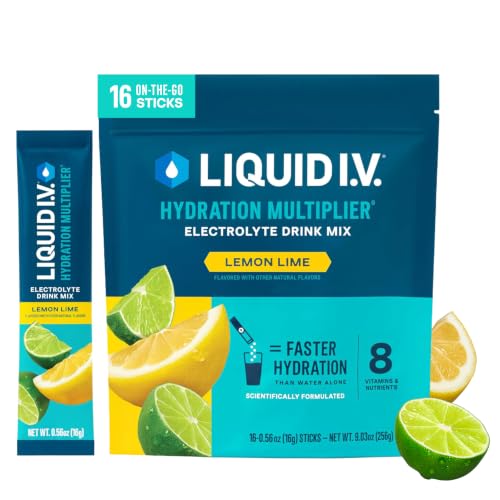
Liquid I.V. Electrolyte Packets (16 ct)
Stay hydrated during stimulation and recovery. Helps prevent OHSS symptoms.

Ekouaer 2-Pack Pajama Lounge Set
Soft, loose-fitting clothes for recovery days. Avoid tight waistbands post-retrieval.
Ready to Become an Indiana Egg Donor?
Use the calculator above to estimate your Indiana cycle pay, or contact one of the Indianapolis, Fort Wayne, or Evansville programs listed above to start your application.
Frequently Asked Questions
How much do egg donors earn in Indiana?
Indiana egg donors typically earn $5,000-$10,000 per donation cycle in 2026. First-time donors usually earn $5,000-$7,000; experienced donors with completed prior cycles earn $8,000-$12,000+. Indianapolis-area agencies generally pay at the higher end of the range; rural agencies pay closer to the floor. Compensation is in addition to all medical, travel, and lost-wage reimbursements.
Where can I donate eggs in Indiana?
The largest egg donation programs in Indiana are based in Indianapolis (Midwest Reproductive Center, Indiana University Health Reproductive Endocrinology, IFCMG/Reproductive Medicine of Indiana), Fort Wayne (Northeast Indiana Fertility), and Evansville (Indiana Fertility & IVF Center). Many Indiana donors also work with national agencies like Egg Donor America or Heartland Fertility that arrange travel cycles to Chicago or Cincinnati.
What are the requirements to donate eggs in Indiana?
Indiana egg donor requirements: age 21-30 (some agencies accept 19-32), BMI 18-29, non-smoker, no recreational drug use, regular menstrual cycles, no genetic disorders in immediate family, willingness to undergo medical and psychological screening, available for 2-3 months of cycle commitment. Specific agencies may add educational requirements (high school diploma minimum, college preferred for premium fees).
How long does an Indiana egg donation cycle take?
Total commitment: 8-12 weeks from initial application to final medical clearance. Active medical phase (hormone injections through retrieval) is 2-3 weeks. Indianapolis-area cycles typically include 8-12 monitoring visits requiring 30-60 minutes each. Egg retrieval itself takes 20-30 minutes under sedation.
Is egg donation legal in Indiana?
Yes. Indiana follows federal FDA guidelines and has no state-specific restrictions on compensated egg donation. Indiana law treats egg donors as having no parental rights or obligations to children born from donated eggs. Both anonymous and known donation arrangements are legal.
Can I donate eggs in Indiana more than once?
Yes. Most Indiana programs allow up to 6 lifetime donation cycles per ASRM (American Society for Reproductive Medicine) guidelines. You typically must wait 2-3 months between cycles. Repeat donors usually earn higher compensation and have faster matching times.
Do Indiana fertility clinics cover travel costs?
Yes. All reputable Indiana programs cover travel expenses for monitoring visits and retrieval, plus lodging if the donor is matched with intended parents in another state. Indianapolis donors traveling to Cincinnati or Chicago for matched cycles routinely receive $500-$1,500 in covered travel costs.
Are Indiana egg donor payments taxable?
Yes. The IRS treats egg donor compensation as taxable income. You'll receive a 1099-MISC if compensation exceeds $600. Indiana state income tax also applies. Many donors set aside 25-30% of compensation for taxes. Consult an accountant for cycle-specific deductions (travel, medications).
Can I become an egg donor in Indiana if I have children?
Yes. Many Indiana programs prefer donors who have already had successful pregnancies (proven fertility). Having biological children is not disqualifying and may actually shorten matching times.
How does Indiana egg donor pay compare to neighboring states?
Indiana ($5,000-$10,000) pays slightly lower than Illinois ($6,000-$15,000 in Chicago) and similar to Ohio ($5,000-$11,000) and Kentucky ($4,500-$9,500). Premium pay states (California, New York) reach $15,000-$30,000 but require travel. Many Indianapolis donors consider Chicago travel cycles for higher pay.