Massachusetts Egg Donor Pay: Complete 2026 Compensation Guide
Discover how much you can earn as an egg donor in Massachusetts. Boston area offers premium compensation rates ranging from $8,000 to $20,000+. Find real fertility clinics, understand requirements, and calculate your potential earnings.
Massachusetts Egg Donation Calculator
Calculator Settings
Your Potential Earnings
Ready to get started?
Contact a local clinic to begin the process
Massachusetts Egg Donor Pay: What You Need to Know
Massachusetts egg donor pay is among the highest in the nation, particularly in the Boston metropolitan area. As a major hub for world-renowned medical institutions and fertility research, Massachusetts attracts intended parents from across the country and internationally. This high demand translates directly into premium compensation for qualified egg donors.
Whether you're in Boston, Cambridge, Worcester, or Springfield, understanding Massachusetts egg donation compensation rates and finding reputable fertility clinics is crucial to maximizing your earning potential while ensuring a safe, supported donation experience. This comprehensive guide covers everything you need to know about egg donation in Massachusetts.
Massachusetts Egg Donor Compensation Breakdown
| Donor Type | Compensation Range | Key Factors |
|---|---|---|
| First-Time Donors | $8,000 - $10,000 | Standard compensation for qualifying first-time donors |
| Experienced Donors | $10,000 - $15,000 | 2+ successful cycles, proven track record |
| Premium Donors | $15,000 - $20,000+ | High demand traits, exceptional health, Boston metro area |
Important Note: Boston area egg donation compensation tends to run 15-25% higher than other Massachusetts cities due to the concentration of premium fertility clinics and high demand from intended parents seeking donors with specific educational backgrounds, particularly from the area's numerous prestigious universities.
Top Massachusetts Fertility Clinics for Egg Donation
Leading Fertility Centers in Massachusetts
Massachusetts is home to some of the nation's most respected fertility clinics. The Boston area, in particular, hosts world-renowned centers affiliated with major teaching hospitals. These clinics offer comprehensive egg donor programs with competitive compensation and exceptional medical care.
Boston IVF
One of the largest and most established fertility centers in New England with multiple locations throughout Massachusetts
Locations: Boston, Waltham, Quincy, Lexington, and more
Specialization: Comprehensive egg donor program with extensive donor screening
Massachusetts General Hospital Fertility Center
Harvard Medical School-affiliated center offering cutting-edge reproductive technology
Location: Boston (multiple locations)
Specialization: Research-backed protocols, premium donor compensation
Brigham and Women's Hospital Center for Infertility and Reproductive Surgery
Harvard-affiliated center known for personalized care and advanced reproductive medicine
Location: Boston
Specialization: Comprehensive donor services, high success rates
Reproductive Science Center of New England
Boutique fertility center offering personalized attention and competitive compensation
Locations: Lexington, Newton
Specialization: Individualized donor matching, comprehensive support
Fertility Centers of New England
Regional fertility network with locations throughout Massachusetts
Locations: Reading, Dedham, South Dartmouth
Specialization: Accessible care, experienced donor programs
Egg Donation Pay by Massachusetts City
🏙️ Boston Egg Donor Pay
Boston offers the highest egg donor compensation in Massachusetts. The concentration of world-class fertility clinics, high cost of living, and demand from educated professionals drives premium rates. Donors affiliated with prestigious universities (Harvard, MIT, Boston University, Northeastern) often command top compensation.
- • Premium rates for donors with advanced degrees
- • Multiple fertility clinics create competitive market
- • High demand from international intended parents
🎓 Cambridge Egg Donor Pay
Cambridge, home to Harvard and MIT, attracts intended parents seeking highly educated donors. Compensation reflects the premium placed on academic achievement and the area's exceptional talent pool.
- • High demand for donors with STEM backgrounds
- • Proximity to Boston fertility centers
- • Premium for proven academic excellence
🏛️ Worcester Egg Donor Pay
Massachusetts' second-largest city offers competitive compensation slightly below Boston rates. Several regional fertility clinics serve central Massachusetts with comprehensive donor programs.
- • Lower cost of living than Boston area
- • Growing fertility services market
- • Accessible to donors throughout central MA
🌳 Springfield Egg Donor Pay
Western Massachusetts egg donor compensation aligns with regional cost of living while remaining competitive. Donors may work with Springfield-area clinics or travel to Boston for premium opportunities.
- • Competitive rates for western Massachusetts
- • Regional fertility clinics available
- • Option to work with Boston-area agencies
The Complete Massachusetts Egg Donation Process: 8 Steps
Understanding the egg donation process in Massachusetts helps you prepare mentally and physically. From initial application to final compensation, here's what to expect when donating eggs in Massachusetts.
Step 1: Application and Initial Screening (Week 1-2)
Complete a detailed application with a Massachusetts fertility clinic or egg donor agency. You'll provide medical history, family background, education details, and personal information. Initial phone screening verifies basic eligibility.
- • Online application (30-60 minutes)
- • Photo submission
- • Initial health questionnaire
- • Phone interview with coordinator
Step 2: Medical and Psychological Evaluation (Week 3-4)
Comprehensive medical examination at a Massachusetts fertility clinic includes blood tests, genetic screening, ultrasound, and psychological evaluation. This ensures you're physically and emotionally prepared for donation.
- • Blood tests (infectious diseases, hormone levels)
- • Transvaginal ultrasound
- • Genetic carrier screening
- • Psychological assessment with licensed therapist
- • Drug screening
Step 3: Matching with Intended Parents (Week 5-8)
Once cleared, your profile enters the donor database. Intended parents review profiles and select donors based on physical characteristics, education, interests, and family health history. Massachusetts's diverse population and international reach mean matching timeframes vary.
- • Profile goes live in donor database
- • Intended parents review and request additional information
- • Match confirmation and legal contract negotiation
- • Compensation amount finalized
Step 4: Legal Contracts and Agreements (Week 9)
Both parties sign legal contracts outlining responsibilities, compensation, anonymity preferences, and future contact. Massachusetts egg donation law allows for various arrangement types. Independent legal counsel reviews your interests.
- • Review contract with independent attorney (provided)
- • Clarify compensation payment schedule
- • Establish anonymity or contact preferences
- • Sign final agreements
Step 5: Medication and Ovarian Stimulation (Week 10-11)
Begin hormone injections to stimulate egg production. You'll inject medications daily (usually in the evening) while attending monitoring appointments at your Massachusetts fertility clinic every 2-3 days. The clinic tracks follicle development via ultrasound and bloodwork.
- • Self-administered hormone injections (10-14 days)
- • Frequent monitoring appointments (Boston/local clinic)
- • Ultrasounds to track follicle growth
- • Blood tests to monitor hormone levels
- • Possible side effects: bloating, mood changes, fatigue
Step 6: Trigger Shot and Final Preparation (Day Before Retrieval)
When follicles reach optimal size, you'll receive a "trigger shot" of hCG hormone precisely 36 hours before egg retrieval. This timing is critical for successful retrieval. You'll receive detailed instructions and must fast after midnight before the procedure.
- • Trigger shot administered at exact specified time
- • Stop all other medications
- • Arrange transportation (cannot drive after retrieval)
- • Fast from midnight onward
Step 7: Egg Retrieval Procedure (Retrieval Day)
The 20-30 minute outpatient procedure takes place at a Massachusetts fertility clinic under conscious sedation. A reproductive endocrinologist retrieves eggs using ultrasound-guided needle aspiration. You'll rest in recovery for 1-2 hours before going home.
- • Arrive at clinic 1-2 hours before procedure
- • IV sedation administered (you'll be comfortable and won't remember procedure)
- • Transvaginal ultrasound-guided egg retrieval (20-30 minutes)
- • Recovery room rest (1-2 hours)
- • Discharge with companion/driver
- • Rest at home for 24-48 hours
Step 8: Recovery and Compensation (Week 12-13)
Most donors recover fully within a few days. Mild cramping and bloating are normal. Follow-up appointment ensures proper healing. Your Massachusetts egg donor compensation is typically disbursed within 7-10 days of retrieval, often via direct deposit or check.
- • Rest for 1-2 days post-retrieval
- • Avoid strenuous exercise for 1 week
- • Attend follow-up appointment
- • Receive full compensation payment ($8,000-$20,000+)
- • Return to normal activities within 1 week
Total Timeline: The complete Massachusetts egg donation process typically takes 2-3 months from initial application to final compensation. Timelines vary based on matching speed and your individual cycle timing.
Massachusetts Egg Donor Requirements
Massachusetts fertility clinics maintain strict eligibility criteria to ensure donor health and egg quality. While specific requirements vary by clinic, these standards are consistent across most programs.
✓ Basic Requirements
- •Age: 21-31 years old (some clinics accept up to 33)
- •BMI: 18-29 (body mass index within healthy range)
- •Non-smoker: No tobacco, vaping, or recreational drugs
- •Healthy lifestyle: Regular menstrual cycles, no hormonal birth control for 2-3 months
- •Legal resident: U.S. citizen or legal resident with valid ID
- •Responsible: Reliable, able to commit to 2-3 month process
🏥 Medical Requirements
- •Clean health history: No genetic disorders, hereditary diseases, or chronic conditions
- •Healthy ovarian reserve: Good egg quantity and quality verified by ultrasound and bloodwork
- •Negative screening: Free from sexually transmitted infections and communicable diseases
- •Vaccination status: Up-to-date on required vaccines (COVID, MMR, etc.)
- •Family history: Limited history of inheritable conditions in immediate family
- •Psychological health: Pass psychological evaluation, no history of severe mental illness
🎓 Preferred Characteristics (Higher Pay)
- •Education: Bachelor's degree or higher (especially from Boston-area universities)
- •High academic achievement: Strong GPA, SAT/GRE scores
- •Previous donation: Successful past cycle with good egg yield
- •Diverse ethnicities: High demand for Asian, Jewish, Indian, and mixed-race donors
- •Athletic/artistic abilities: Accomplished athletes, musicians, artists
- •Physical characteristics: Certain eye colors, hair types, or heights in high demand
❌ Disqualifying Factors
- •Smoking or drug use: Current or recent tobacco, marijuana, or recreational drug use
- •Certain medications: Antidepressants (varies by type), Accutane within 2 years
- •Recent pregnancy: Must wait 6+ months after giving birth or breastfeeding
- •Previous donations: Maximum 6 lifetime donations (FDA guideline)
- •Genetic carrier status: Carrier for multiple serious genetic conditions
- •Travel restrictions: Recent travel to countries with Zika or other infectious disease risk
Boston-Area Tip: Donors with connections to Harvard, MIT, Boston University, Tufts, Boston College, Northeastern, or other prestigious Massachusetts institutions often receive premium compensation offers due to high demand from intended parents seeking academically accomplished donors.
Massachusetts Egg Donation Laws and Regulations
Massachusetts has established legal frameworks governing assisted reproductive technology, including egg donation. Understanding these laws protects both donors and intended parents throughout the process.
Legal Parentage Rights
Massachusetts law clearly establishes that egg donors have no parental rights or responsibilities to children conceived from their donated eggs. Legal contracts signed before the donation cycle legally protect donors from future parental claims or child support obligations. The intended parents are recognized as the legal parents.
Donor Anonymity Options
Massachusetts allows both anonymous and known egg donation arrangements. Donors can choose complete anonymity, semi-open arrangements (exchange of non-identifying information), or fully open donations (direct contact with intended parents). Many Massachusetts agencies facilitate varying levels of contact based on mutual preferences.
Compensation Legality
Egg donor compensation is fully legal in Massachusetts. Donors are compensated for their time, effort, inconvenience, and medical risks, not for the eggs themselves. Compensation amounts ranging from $8,000 to $20,000+ are standard and legally permitted. All compensation must be outlined in written contracts.
Medical Oversight Requirements
Massachusetts fertility clinics must comply with FDA regulations for tissue donation, including comprehensive screening for infectious diseases and genetic conditions. All egg retrievals must be performed by licensed reproductive endocrinologists in accredited medical facilities. Boston-area clinics often exceed minimum standards.
Insurance and Tax Implications
Massachusetts egg donor compensation is taxable income and will be reported on IRS Form 1099-MISC if you earn $600 or more (which all donors do). Medical expenses are covered by intended parents' insurance or out-of-pocket, not by your personal health insurance. Medical complications arising from donation are covered by the intended parents' complication insurance policy.
Contract Requirements
All Massachusetts egg donation arrangements require written legal contracts between donors and intended parents. Donors must have independent legal counsel (provided at intended parents' expense) to review contracts before signing. Contracts address compensation, medical risks, anonymity preferences, future contact, and dispute resolution.
Egg donor pay by city in Massachusetts
Start with Massachusetts egg donor pay statewide, then the program nearest you.
- Boston egg donor pay
- Brockton egg donor pay
- Cambridge egg donor pay
- Fall River egg donor pay
- Lowell egg donor pay
- Lynn egg donor pay
- New Bedford egg donor pay
- Quincy egg donor pay
- Springfield egg donor pay
- Worcester egg donor pay
Other donor pay in Massachusetts
- Massachusetts sperm donor pay
- Massachusetts stool donation pay
- Massachusetts clinical trial pay
- Plasma donation pay
Egg donor pay by state
- Alabama egg donor pay
- Alaska egg donor pay
- Arizona egg donor pay
- Arkansas egg donor pay
- California egg donor pay
- Colorado egg donor pay
- Connecticut egg donor pay
- Delaware egg donor pay
- Florida egg donor pay
- Georgia egg donor pay
- Hawaii egg donor pay
- Idaho egg donor pay
- Illinois egg donor pay
- Indiana egg donor pay
- Iowa egg donor pay
- Kansas egg donor pay
- Kentucky egg donor pay
- Louisiana egg donor pay
- Maine egg donor pay
- Maryland egg donor pay
- Michigan egg donor pay
- Minnesota egg donor pay
- Mississippi egg donor pay
- Missouri egg donor pay
- Montana egg donor pay
- Nebraska egg donor pay
- Nevada egg donor pay
- New Hampshire egg donor pay
- New Jersey egg donor pay
- New Mexico egg donor pay
- New York egg donor pay
- North Carolina egg donor pay
- North Dakota egg donor pay
- Ohio egg donor pay
- Oklahoma egg donor pay
- Oregon egg donor pay
- Pennsylvania egg donor pay
- Rhode Island egg donor pay
- South Carolina egg donor pay
Essential Products for Massachusetts Egg Donors
As an Amazon Associate, we earn from qualifying purchases. These products may help with your donation journey.

Pink Stork Total Prenatal + DHA
EssentialStart 2-3 months before donation. Supports egg health and overall fertility.

Pure Enrichment PureRelief Heating Pad
RecoveryRelieves cramps and discomfort during hormone injections and post-retrieval recovery.
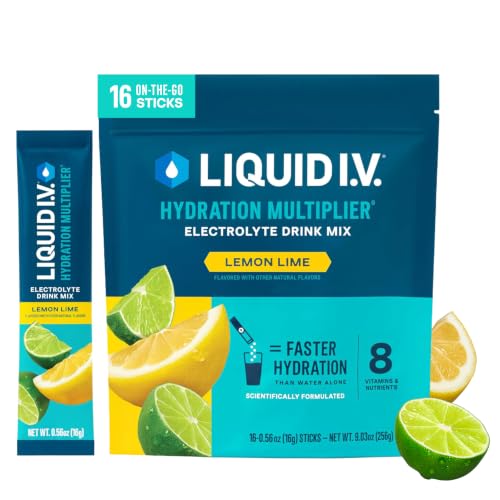
Liquid I.V. Electrolyte Packets (16 ct)
Stay hydrated during stimulation and recovery. Helps prevent OHSS symptoms.

Ekouaer 2-Pack Pajama Lounge Set
Soft, loose-fitting clothes for recovery days. Avoid tight waistbands post-retrieval.
Frequently Asked Questions: Massachusetts Egg Donation
How much do egg donors make in Massachusetts?
Massachusetts egg donors typically earn between $8,000 and $20,000+ per donation cycle. First-time donors generally receive $8,000-$10,000, while experienced donors with successful previous cycles earn $10,000-$15,000. Premium donors with highly sought-after characteristics (advanced degrees from prestigious universities, specific ethnic backgrounds, proven track records) can earn $15,000-$20,000 or more, especially in the Boston metropolitan area where demand is highest.
Why is Boston egg donor pay higher than other Massachusetts cities?
Boston egg donation compensation runs 15-25% higher than other Massachusetts areas due to several factors: the concentration of world-class fertility clinics (Boston IVF, MGH, Brigham and Women's), higher cost of living, strong demand from educated professionals seeking donors with similar backgrounds, and international intended parents attracted to Boston's prestigious universities. Donors affiliated with Harvard, MIT, and other elite institutions command premium rates.
What are the requirements to donate eggs in Massachusetts?
Massachusetts egg donors must be 21-31 years old (sometimes up to 33), have a BMI of 18-29, be non-smokers, have regular menstrual cycles, and be in excellent physical and mental health. You must pass comprehensive medical screening including blood tests, genetic testing, ultrasound, and psychological evaluation. Family medical history must be free from serious genetic disorders. Educational background, particularly degrees from Boston-area universities, can increase compensation but isn't strictly required for all programs.
How long does the egg donation process take in Massachusetts?
The complete Massachusetts egg donation process typically takes 2-3 months from initial application to final compensation payment. This includes: application and screening (1-2 weeks), medical and psychological evaluations (1-2 weeks), matching with intended parents (2-4 weeks, varies significantly), legal contracts (1 week), ovarian stimulation with monitoring (10-14 days), egg retrieval procedure (1 day), and recovery (1 week). Some highly sought-after donors may be matched within days, while others wait longer.
Does egg donation hurt? What are the side effects?
Egg donation involves some discomfort but is not generally described as painful. During the 10-14 day stimulation period, you'll experience injection site soreness, bloating, mild cramping, mood changes, and fatigue. The egg retrieval procedure itself is performed under conscious sedation, so you won't feel pain during the procedure. Post-retrieval, expect mild cramping and bloating for 2-5 days. Serious complications like ovarian hyperstimulation syndrome (OHSS) are rare (1-2% of cycles) at Massachusetts fertility clinics, which carefully monitor hormone levels.
Will egg donation affect my future fertility?
Current medical research shows that egg donation does not reduce future fertility or cause early menopause. Women are born with approximately 1-2 million eggs and naturally lose hundreds each month through normal ovulation. Egg donation retrieves 10-20 eggs that would have been naturally lost that month anyway. Massachusetts fertility specialists emphasize that the hormone medications temporarily increase the number of eggs matured but don't deplete your overall egg reserve. Thousands of egg donors have gone on to have healthy pregnancies afterward.
Is egg donation anonymous in Massachusetts?
Massachusetts allows both anonymous and known egg donation arrangements. You can choose complete anonymity (no identifying information shared), semi-open donation (non-identifying information and photos exchanged, possible future contact when resulting children turn 18), or open donation (direct contact with intended parents). Many Massachusetts agencies and clinics facilitate varying levels of openness based on preferences of both parties. Your choice is legally protected in the donation contract.
How many times can I donate eggs in Massachusetts?
The American Society for Reproductive Medicine (ASRM) recommends a maximum of 6 egg donation cycles per donor across their lifetime. This guideline helps minimize potential medical risks and limits the number of genetic offspring from a single donor. Massachusetts fertility clinics adhere to this recommendation. You must wait at least 2-3 months between donation cycles to allow your body to fully recover. Experienced donors with successful previous cycles often receive higher compensation for subsequent donations.
Do I need to travel to Boston to donate eggs in Massachusetts?
Not necessarily. While Boston has the highest concentration of fertility clinics and often offers premium compensation, Massachusetts has quality fertility centers throughout the state including Worcester, Springfield, Cambridge, Lexington, and other cities. Some Boston-area agencies will arrange for local monitoring appointments near your home and only require you to travel to Boston for the egg retrieval procedure. If you live in western Massachusetts, you can work with regional clinics or potentially receive travel expense reimbursement for Boston procedures.
Are egg donor compensation payments taxable in Massachusetts?
Yes, egg donor compensation is considered taxable income by the IRS and Massachusetts Department of Revenue. You'll receive IRS Form 1099-MISC reporting your earnings if you received $600 or more (which all egg donors do). You should set aside approximately 25-30% of your compensation for federal and state taxes. Egg donation compensation is classified as self-employment income in most cases. Consider consulting a tax professional to properly report your earnings and potentially deduct related expenses like mileage to medical appointments.
Related Resources for Massachusetts Egg Donors
Learn more about egg donation compensation, requirements, and the donation process with these comprehensive guides:
Complete Egg Donation Process, Timeline & Payments
Detailed breakdown of every step from application to compensation, including what to expect during screening, stimulation, and retrieval.
Read More →Egg Donation Requirements & Qualifications
Comprehensive guide to egg donor eligibility criteria, medical screening requirements, and factors that increase your compensation potential.
Read More →Egg Donation Risks & Side Effects: What to Expect
Honest discussion of potential side effects, medical risks, and how Massachusetts fertility clinics minimize complications through careful monitoring.
Read More →Best Egg Donation Agencies & Compensation Comparison
Compare top egg donation agencies, their compensation structures, support services, and how to choose the best agency for your Massachusetts donation.
Read More →Repeat Egg Donor Guide: Higher Compensation & What to Expect
Everything experienced donors need to know about subsequent cycles, increased compensation rates, and optimizing your repeat donation experience.
Read More →Egg Donation Laws & Regulations by State
State-by-state legal guide covering parental rights, anonymity laws, compensation regulations, and contract requirements including Massachusetts-specific legislation.
Read More →Ready to Start Your Massachusetts Egg Donation Journey?
Massachusetts offers exceptional opportunities for women considering egg donation. With premium compensation rates ranging from $8,000 to $20,000+, world-class fertility clinics throughout the Boston area and beyond, and comprehensive legal protections, Massachusetts is an ideal state for egg donation.
Whether you're a college student at one of Massachusetts's prestigious universities, a young professional in Boston or Cambridge, or a resident elsewhere in the state, egg donation allows you to earn substantial compensation while helping create families. The 2-3 month process is well-supported by experienced medical teams at leading fertility centers.
Next Steps for Massachusetts Egg Donors:
- 1.Use our calculator above to estimate your potential compensation based on experience level and location
- 2.Review the requirements section to ensure you meet basic eligibility criteria
- 3.Research Massachusetts fertility clinics and egg donation agencies in your area
- 4.Submit applications to 2-3 reputable programs to compare opportunities
- 5.Ask questions during initial consultations about compensation, support, and medical protocols
Massachusetts egg donors make a profound difference in the lives of individuals and couples struggling with infertility. Your donation can help create families while providing you with generous compensation, comprehensive medical care, and the satisfaction of giving an incredible gift.
Questions about Massachusetts egg donor pay or the donation process? Use our calculator above to get personalized compensation estimates, or explore our comprehensive guides linked throughout this page.
Calculate Your Massachusetts Egg Donor Pay
See what egg donors in Massachusetts can earn: typically $8,000-$20,000+ per cycle. Use our calculator above to get started, or contact a Boston-area fertility clinic today.