Boston Egg Donor Pay: Complete 2026 Guide
Discover how much you can earn as an egg donor in Boston. Premium compensation rates, world-class fertility centers, and comprehensive support in America's top academic and research hub.
Calculate Your Boston Egg Donor Compensation
Calculator Settings
Your Potential Earnings
Ready to get started?
Contact a local clinic to begin the process
Why Boston Offers Premium Egg Donor Compensation
Boston stands at the forefront of reproductive medicine and fertility research in the United States. As home to world-renowned medical institutions like Harvard Medical School, Massachusetts General Hospital, and Brigham and Women's Hospital, the city attracts intended parents from around the globe seeking the highest quality care. This exceptional demand, combined with Boston's high cost of living and concentration of educated donor candidates from universities like MIT, Harvard, Boston University, and Northeastern, has created a premium compensation market for egg donors.
Boston egg donor pay typically ranges from $8,000 to $15,000 or more per donation cycle. First-time donors generally start at the $8,000-$10,000 range, while experienced donors with proven track records can command $12,000-$15,000 or higher. Donors with exceptional characteristics such as advanced degrees from prestigious universities, athletic achievements, artistic talents, or specific ethnic backgrounds in high demand may receive premium compensation packages exceeding $20,000.
The compensation reflects both the time commitment required and the altruistic gift you're providing to families. The donation process typically spans 10-12 weeks from initial screening through egg retrieval. This includes medical evaluations, genetic testing, psychological screening, daily hormone injections for 10-14 days, and the retrieval procedure itself. All medical care, medications, and related expenses are covered by the intended parents, with compensation provided separately for your time and commitment.
Top Boston Fertility Centers for Egg Donation
Boston boasts some of the nation's most advanced fertility clinics, offering cutting-edge technology and exceptional success rates. These centers work with both local and national egg donor agencies to connect donors with intended parents.
Boston IVF
Multiple Locations: Waltham (main), Brookline, Cambridge, Quincy, and South Shore
One of the largest and most established fertility networks in New England. Boston IVF performs thousands of egg donation cycles annually with industry-leading success rates. Their comprehensive donor program includes experienced coordinators, genetic counseling, and state-of-the-art laboratories.
Website: bostonivf.com | Phone: (781) 434-6500
Massachusetts General Hospital Fertility Center
Location: 55 Fruit Street, Boston, MA 02114
Part of the Harvard Medical School teaching network, MGH Fertility Center combines groundbreaking research with clinical excellence. The center participates in numerous fertility studies and offers donors access to the latest reproductive technologies. Their donor program emphasizes personalized care and medical expertise.
Website: massgeneral.org/fertility | Phone: (617) 726-5524
Brigham and Women's Hospital Fertility Center
Location: 75 Francis Street, Boston, MA 02115
Another prestigious Harvard Medical School affiliate, Brigham and Women's Hospital has been at the forefront of reproductive medicine for decades. Their Center for Infertility and Reproductive Surgery offers comprehensive donor services with a focus on safety, ethics, and optimal outcomes.
Website: brighamandwomens.org/fertility | Phone: (617) 732-4222
Reproductive Science Center of New England
Locations: Lexington, Wellesley, and Dedham
A physician-owned practice specializing exclusively in reproductive endocrinology and infertility. RSC New England maintains a robust donor program with personalized attention and high success rates. They work closely with several egg donor agencies to match donors with intended parents.
Website: rscnewengland.com | Phone: (781) 434-6500
Beth Israel Deaconess Fertility Center
Location: 330 Brookline Avenue, Boston, MA 02215
Part of the Beth Israel Lahey Health system and Harvard Medical School network. This center offers a full range of fertility services including egg donation, with emphasis on evidence-based medicine and compassionate care. Their experienced team guides donors through every step of the process.
Website: bidmc.org/fertility | Phone: (617) 667-4279
Serving Greater Boston Communities
Boston's fertility centers serve donors and intended parents throughout the metropolitan area. Whether you're a student in Cambridge, a professional in Downtown Boston, or a resident of the surrounding suburbs, you'll find convenient access to top-tier fertility clinics and donor programs.
Urban Core
- Downtown Boston: Financial District, Beacon Hill, Back Bay - Close to MGH and Brigham
- Cambridge: Harvard Square, MIT, Kendall Square - Multiple transit options
- Brookline: Coolidge Corner, Washington Square - Home to Boston IVF location
- South End: Arts district with excellent access to Longwood Medical Area
Inner Suburbs
- Newton: Affluent suburb with easy access to Waltham and Wellesley clinics
- Wellesley: Home to RSC New England location, excellent for western suburb donors
- Somerville: Davis Square, Union Square - Quick Red Line to Boston centers
- Quincy: South Shore access with Boston IVF location nearby
All major Boston fertility centers are accessible via public transportation (MBTA Red, Green, and Orange Lines), with parking available for those driving from suburbs. Many clinics offer early morning and evening appointments to accommodate work and school schedules during the monitoring phase of your donation cycle.
Step-by-Step Boston Egg Donation Process
Understanding the egg donation timeline helps you prepare for the commitment ahead. Here's what to expect when donating in Boston:
Step 1: Initial Application (Week 1)
Complete an online application with a fertility clinic or egg donor agency. You'll provide basic information about your health history, education, family background, and physical characteristics. Include recent photos. Most Boston agencies also ask about your motivations for becoming a donor.
Step 2: Screening and Matching (Weeks 2-4)
If your application is approved, your profile enters the donor database. Intended parents review profiles and select donors. Once matched, you'll undergo comprehensive screening including blood tests for infectious diseases and hormone levels, genetic carrier screening, drug testing, psychological evaluation, and a detailed medical history review. All testing is conducted at the Boston fertility clinic.
Step 3: Legal and Financial Agreement (Week 5)
Both parties review and sign legal contracts outlining compensation, responsibilities, and parental rights. The intended parents cover all legal fees. Your compensation amount is finalized and held in escrow. Boston has several reproductive law firms specializing in donor agreements who ensure your rights are protected.
Step 4: Cycle Synchronization (Weeks 6-7)
You'll take birth control pills to synchronize your cycle with the intended mother or gestational carrier. This ensures optimal timing for the egg retrieval and embryo transfer. Your clinic coordinator will provide detailed instructions and a medication calendar.
Step 5: Ovarian Stimulation (Weeks 8-9)
You'll self-administer hormone injections daily for 10-14 days to stimulate your ovaries to produce multiple eggs. Most Boston clinics provide injection training and 24/7 nursing support. You'll visit the clinic every 2-3 days for ultrasound monitoring and blood work to track follicle development. Appointments typically take 15-30 minutes.
Step 6: Trigger Shot and Retrieval (Week 10)
When your follicles reach optimal size, you'll take a "trigger" injection to finalize egg maturation. Exactly 36 hours later, you'll undergo the egg retrieval procedure at the Boston fertility clinic. This 15-20 minute procedure is performed under light sedation. You'll need someone to drive you home afterward. Most donors take 1-2 days off work or school for recovery.
Step 7: Recovery and Compensation (Weeks 10-12)
You'll experience mild cramping and bloating for a few days post-retrieval. Most donors feel back to normal within a week. Your compensation is released once the retrieval is complete. The clinic will follow up to ensure you're recovering well, and you'll have one final check-up to confirm your menstrual cycle has returned to normal.
Requirements to Become a Boston Egg Donor
Boston fertility clinics maintain high standards to ensure donor health and optimal outcomes for intended parents. Most programs require:
Basic Requirements
- ✓Age: 21-31 years old (some clinics 21-29)
- ✓BMI: 18-29 (healthy weight for your height)
- ✓Non-smoker: No nicotine or tobacco use
- ✓Drug-free: No recreational drug use
- ✓Healthy lifestyle: No binge drinking or high-risk behaviors
Medical Requirements
- ✓Regular menstrual cycles: 26-32 days consistently
- ✓No reproductive issues: No PCOS, endometriosis, or fertility problems
- ✓No genetic conditions: Family history screening required
- ✓STD-free: Current negative screening
- ✓Psychologically healthy: Pass psychological evaluation
Additional Considerations
While not strict requirements, certain characteristics may increase demand for your eggs and potentially lead to higher compensation:
- Education: College degree or currently enrolled at a Boston-area university
- Proven fertility: Previous successful pregnancy (if you have children)
- Previous donation: Experience as a donor with positive outcome
- Specific ethnicity: Diverse backgrounds are in high demand
- Athletic ability: NCAA athletes or accomplished competitors
- Artistic talent: Musicians, artists, dancers with demonstrated achievement
- Academic excellence: High GPA, standardized test scores, or graduate degrees
Frequently Asked Questions: Boston Egg Donation
How much do egg donors make in Boston?
Boston egg donors typically earn $8,000-$15,000 per donation cycle, with first-time donors starting at $8,000-$10,000. Experienced donors, those with advanced degrees from prestigious universities, or donors with highly sought-after characteristics can earn $12,000-$20,000 or more. Boston's compensation rates are among the highest in the nation due to the concentration of world-class medical facilities and high cost of living. All medical expenses, travel costs, and medications are covered separately by the intended parents.
Will egg donation affect my future fertility?
Medical research consistently shows that egg donation does not affect your future fertility. Women are born with approximately 1-2 million eggs, and you naturally lose hundreds each month through normal ovulation. During a donation cycle, the hormone medications simply rescue eggs that would have otherwise been lost that month. Boston's fertility specialists have decades of data confirming that donors go on to have healthy pregnancies. However, as with any medical procedure, there are small risks including ovarian hyperstimulation syndrome (OHSS), which your Boston clinic will monitor for carefully.
Can I donate if I'm a student at a Boston university?
Absolutely. Many egg donors in Boston are students at area universities including Harvard, MIT, Boston University, Northeastern, Boston College, Tufts, and Wellesley College. Fertility clinics work around academic schedules, offering early morning monitoring appointments before classes. The entire process takes 10-12 weeks with most appointments concentrated in the final 2 weeks. You'll need to arrange 1-2 days off for the retrieval procedure and recovery. The compensation can significantly help with tuition, living expenses, or student loans.
How many times can I donate eggs in Boston?
The American Society for Reproductive Medicine (ASRM) recommends a maximum of six donation cycles per donor. Most Boston clinics follow this guideline strictly. You must wait at least 2-3 months between donation cycles to allow your body to fully recover. Experienced donors who have completed multiple successful cycles are highly valued and typically receive increased compensation for subsequent donations. Your Boston fertility clinic will monitor your health closely to ensure you remain a good candidate for repeat donations.
Is egg donation anonymous in Massachusetts?
Egg donation arrangements in Massachusetts can be anonymous, semi-open, or open depending on the preferences of both parties. In anonymous donations, you and the intended parents never meet and limited identifying information is shared. Semi-open arrangements may include meeting once or exchanging letters through the agency. Open donations involve ongoing contact. Legal agreements clearly outline contact expectations and future disclosure to any resulting children. Massachusetts law recognizes intended parents as the legal parents, and donors have no parental rights or responsibilities. Your Boston fertility clinic or agency will guide you through these options.
What Boston neighborhoods are most convenient for egg donation appointments?
The most convenient Boston neighborhoods for egg donation depend on which clinic you work with. For MGH and Brigham and Women's in the Longwood Medical Area, consider living in Back Bay, Fenway, Brookline, Jamaica Plain, or Mission Hill. Boston IVF's main Waltham location is easily accessible from Cambridge, Watertown, Newton, and western suburbs. The Brookline Boston IVF location serves Back Bay, South End, and Brookline residents perfectly. If you live in Quincy, the South Shore, or Dorchester, the Boston IVF Quincy location offers convenience. All major centers are accessible via MBTA with parking available, so most Greater Boston residents can find a convenient clinic option.
Essential Items for Boston Egg Donors
As an Amazon Associate, we earn from qualifying purchases. These products may help with your donation journey.

Pink Stork Total Prenatal + DHA
EssentialStart 2-3 months before donation. Supports egg health and overall fertility.

Pure Enrichment PureRelief Heating Pad
RecoveryRelieves cramps and discomfort during hormone injections and post-retrieval recovery.
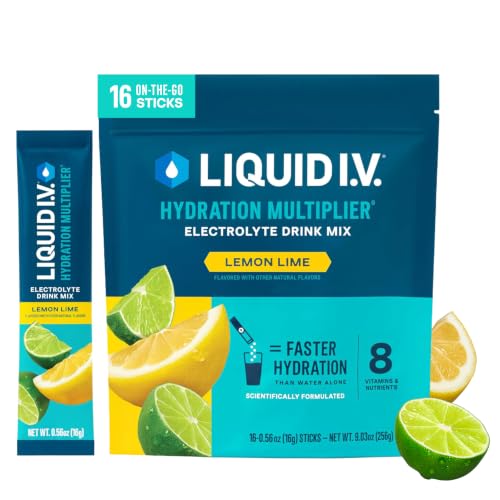
Liquid I.V. Electrolyte Packets (16 ct)
Stay hydrated during stimulation and recovery. Helps prevent OHSS symptoms.

Ekouaer 2-Pack Pajama Lounge Set
Soft, loose-fitting clothes for recovery days. Avoid tight waistbands post-retrieval.
Egg donor pay by city in Massachusetts
Start with Massachusetts egg donor pay statewide, then the program nearest you.
- Brockton egg donor pay
- Cambridge egg donor pay
- Fall River egg donor pay
- Lowell egg donor pay
- Lynn egg donor pay
- New Bedford egg donor pay
- Quincy egg donor pay
- Springfield egg donor pay
- Worcester egg donor pay
Other donor pay in Massachusetts
Ready to Start Your Boston Egg Donation Journey?
Boston offers some of the highest egg donor compensation rates in the nation, combined with world-class medical care and comprehensive support throughout your journey. Whether you're a local resident, college student, or young professional in the Greater Boston area, you have the opportunity to earn significant compensation while giving the invaluable gift of family to intended parents.
Use our calculator above to estimate your potential earnings, review the requirements to ensure you qualify, and reach out to one of Boston's premier fertility clinics to begin your application. With dozens of successful donation cycles completed every month across the city's top fertility centers, Boston's egg donor program represents a proven opportunity to make a profound difference while receiving premium compensation for your time and commitment.
Explore More Donation Opportunities
About This Guide
This comprehensive guide to Boston egg donor pay is based on current data from leading fertility clinics, egg donor agencies, and compensation surveys as of 2026. Compensation rates are estimates and actual payment may vary based on individual circumstances, clinic policies, donor characteristics, and intended parent preferences. All medical information provided is for educational purposes and should not replace consultation with qualified healthcare providers.
Boston's fertility clinics including Boston IVF, Massachusetts General Hospital Fertility Center, Brigham and Women's Hospital, Reproductive Science Center of New England, and Beth Israel Deaconess Fertility Center maintain their own specific donor requirements and compensation structures. We recommend contacting clinics directly or working with a licensed egg donor agency for personalized information about becoming a donor in the Boston area.