Illinois Egg Donation Compensation Breakdown
Illinois, particularly the Chicago metropolitan area, offers some of the most competitive egg donor compensation rates in the United States. The high cost of living combined with strong demand from intended parents seeking quality donors creates a premium market for egg donation in Illinois.
As a major fertility hub with world-renowned clinics and agencies, Chicago attracts intended parents from across the country and internationally, driving compensation rates significantly higher than the national average.
| Donor Experience Level | Compensation Range | Key Factors |
|---|---|---|
| First-Time Donors | $7,000 - $10,000 | Base compensation for qualified candidates meeting all health and genetic screening requirements |
| Experienced Donors | $10,000 - $15,000 | Proven donation history with successful retrievals and positive outcomes |
| Premium Donors | $15,000 - $20,000+ | Advanced degrees, exceptional health profiles, specific ethnic backgrounds in high demand, or unique traits |
Why Illinois Pays More
- •High cost of living in Chicago and suburbs increases base compensation
- •Strong demand from local and international intended parents
- •Multiple top-tier fertility centers competing for quality donors
- •Diverse population creates demand for donors of all ethnic backgrounds
Top Fertility Clinics in Illinois for Egg Donation
Illinois is home to some of the nation's most prestigious fertility centers, with Chicago serving as a major hub for reproductive medicine. These clinics offer comprehensive egg donation programs with experienced medical teams and competitive compensation packages.
Fertility Centers of Illinois
Locations: Multiple locations throughout Chicagoland including River North, Highland Park, and Gurnee
About: One of the largest and most established fertility practices in Illinois, FCI has helped thousands of families since 1985. Their egg donation program is nationally recognized.
Website: fcionline.com
FCI maintains a comprehensive donor database and works with both agency and direct donors.
Northwestern Medicine Fertility and Reproductive Medicine
Location: 676 N Saint Clair St, Chicago, IL 60611
About: Part of the prestigious Northwestern Medicine network, this academic medical center combines cutting-edge research with clinical excellence in reproductive medicine.
Phone: (312) 695-7269
Northwestern's egg donation program is backed by world-class research and maintains the highest medical standards.
Advanced Fertility Center of Chicago
Locations: Chicago, Gurnee, and Crystal Lake
About: Led by nationally recognized reproductive endocrinologists, AFCC offers personalized care with some of the highest success rates in Illinois.
Website: advancedfertility.com
Known for their compassionate approach and comprehensive support for egg donors throughout the entire process.
Reproductive Medicine Institute (RMI)
Location: 27 West 140 St. Charles Road, Oakbrook Terrace, IL 60181
About: With over 30 years of experience, RMI is Illinois' oldest private reproductive medicine practice, pioneering many advanced fertility treatments.
Phone: (630) 954-0054
RMI's egg donation program emphasizes donor safety and has helped create thousands of families.
Midwest Fertility Center
Locations: Downers Grove and other Chicago suburbs
About: A patient-focused practice offering comprehensive fertility services including a robust egg donation program with personalized matching.
Website: midwestfertility.com
Known for their transparent pricing and supportive approach to both donors and recipients.
Egg Donor Compensation by Illinois City
While egg donor compensation is generally consistent across Illinois, certain areas may offer slightly different rates based on local demand and cost of living factors. Here's what you can expect in major Illinois cities:
Chicago
$8,000 - $20,000+
As Illinois' largest city and fertility hub, Chicago offers the highest compensation rates. The concentration of top clinics, diverse intended parent population, and high cost of living all contribute to premium compensation.
Major neighborhoods: River North, Lincoln Park, Gold Coast, Loop, Streeterville
Naperville
$7,500 - $18,000
This affluent western suburb hosts several fertility clinics and offers compensation rates nearly matching Chicago. Easy access to major medical centers makes Naperville a convenient option.
Part of the DuPage County fertility corridor
Oakbrook Terrace / Oak Brook
$7,500 - $17,000
Home to RMI and other established fertility centers, this western suburb provides excellent medical care and competitive compensation for egg donors.
Central location with easy highway access
Schaumburg
$7,000 - $16,000
This northwest suburb is home to several fertility clinics serving the broader Chicago metro area. Compensation is competitive with other suburban locations.
Well-connected to O'Hare and major medical districts
Springfield
$7,000 - $15,000
The state capital has several fertility centers serving central Illinois. While slightly lower than Chicago rates, compensation remains competitive and cost of living is more affordable.
Lower travel requirements for central Illinois residents
Rockford / Aurora / Joliet
$7,000 - $15,000
These cities have local fertility services but donors often work with Chicago-area clinics for higher compensation. Many donors from these areas commute to Chicago clinics.
Travel reimbursement typically provided by clinics
The Complete Egg Donation Process in Illinois
Understanding the egg donation journey helps you prepare mentally, physically, and logistically. Here's a detailed breakdown of each step in the Illinois egg donation process:
Step 1: Application and Initial Screening (Week 1-2)
Your journey begins with completing a comprehensive application through a fertility clinic or egg donor agency. You'll provide detailed information about your medical history, family health background, education, physical characteristics, and personal interests.
What to expect:
- • 30-45 minute online application
- • Personal photo submission
- • Educational transcripts or verification
- • Initial phone screening interview
Step 2: Matching with Intended Parents (Week 2-8)
Once approved, your profile enters the donor database where intended parents can review it. Matching times vary based on your characteristics and intended parent preferences. Some donors match within weeks, others may take a few months.
During this phase:
- • Your profile is active in the database
- • You may be contacted for additional information
- • Some programs allow anonymous video introductions
- • Legal and financial terms are discussed upon match
Step 3: Medical Screening and Testing (Week 8-10)
After matching, you'll undergo comprehensive medical evaluation at the fertility clinic. This includes physical examination, transvaginal ultrasound, blood tests, genetic carrier screening, and infectious disease testing. All medical costs are covered by the intended parents.
Testing includes:
- • Ovarian reserve testing (AMH, FSH levels)
- • Genetic carrier screening (150+ conditions)
- • Infectious disease panel (HIV, Hepatitis B/C, etc.)
- • Drug and nicotine screening
- • Physical examination and pelvic ultrasound
Step 4: Psychological Evaluation (Week 10-11)
A licensed mental health professional specializing in reproductive medicine will meet with you to discuss your motivations, expectations, and emotional preparedness for egg donation. This is a standard requirement by the American Society for Reproductive Medicine (ASRM).
Topics covered:
- • Motivation for becoming an egg donor
- • Understanding of the process and commitment
- • Impact on personal relationships and future
- • Coping strategies and support systems
Step 5: Legal Contract and Agreements (Week 11-12)
Both you and the intended parents will work with separate attorneys to draft and sign a legal agreement. This contract outlines compensation, responsibilities, medical risks, confidentiality, and future contact preferences. The intended parents cover all legal fees.
Contract details:
- • Base compensation and payment schedule
- • Travel and expense reimbursement
- • Medical risk acknowledgment
- • Confidentiality and anonymity terms
- • Parental rights waiver
Step 6: Medication and Ovarian Stimulation (Week 12-14)
You'll begin self-administering hormone injections to stimulate your ovaries to produce multiple eggs. The medication protocol typically lasts 10-14 days with frequent monitoring appointments to track follicle development through ultrasound and blood tests.
Medication phase:
- • Birth control pills to regulate cycle (2-4 weeks prior)
- • Daily hormone injections (FSH/LH)
- • Monitoring appointments every 2-3 days
- • Trigger shot 36 hours before retrieval
- • All medications provided by clinic
Step 7: Egg Retrieval Procedure (Week 14-15)
The retrieval is a 20-30 minute outpatient procedure performed under IV sedation. Using ultrasound guidance, the doctor retrieves mature eggs through a thin needle. You'll need someone to drive you home, and most donors return to normal activities within 1-2 days.
Retrieval day:
- • Arrive fasting (no food/drink after midnight)
- • IV sedation for comfort
- • 20-30 minute procedure
- • 1-2 hour recovery in clinic
- • Compensation typically released within 7-10 days
Step 8: Recovery and Follow-Up (Week 15-16)
Most donors experience mild cramping and bloating for a few days post-retrieval. You'll have a follow-up appointment to ensure proper recovery, and your next menstrual cycle should arrive within 1-2 weeks. Most donors feel completely back to normal within a week.
Recovery tips:
- • Rest for 24-48 hours
- • Avoid strenuous exercise for 1 week
- • Stay hydrated and eat protein-rich foods
- • Follow-up appointment in 1-2 weeks
- • Contact clinic if severe pain or symptoms occur
Illinois Egg Donor Requirements and Qualifications
To become an egg donor in Illinois, you must meet specific medical, genetic, and lifestyle criteria established by the American Society for Reproductive Medicine (ASRM) and individual fertility clinics. These requirements ensure the health and safety of both donors and resulting children.
Basic Requirements
- ✓Age: Between 21-32 years old (some clinics 19-29)
- ✓BMI: Between 18-28 (healthy weight range)
- ✓Non-smoker: No tobacco, vaping, or nicotine products
- ✓Drug-free: No recreational drugs, limited alcohol
- ✓Regular cycles: Predictable menstrual periods (26-32 days)
- ✓Education: High school diploma or GED minimum (some prefer college)
Medical Requirements
- ✓Ovarian reserve: Healthy egg supply (AMH levels 1.0-4.0 ng/mL)
- ✓No genetic disorders: Pass comprehensive carrier screening
- ✓No STIs: Negative infectious disease testing
- ✓Mental health: Psychologically stable, no major disorders
- ✓Family history: No significant genetic diseases or cancer history
- ✓No Depo-Provera: At least 1 year since last injection
Additional Preferences for Higher Compensation
While not required, these factors often result in premium compensation in the Illinois market:
- ★Bachelor's degree or higher (especially from prestigious universities)
- ★Previous successful donation with good egg quality and quantity
- ★Specific ethnic backgrounds in high demand (Asian, Jewish, Indian, etc.)
- ★Exceptional SAT/ACT scores or academic achievements
- ★Athletic achievements or artistic talents
- ★Desirable physical characteristics (height above 5'6", specific eye/hair color combinations)
Disqualifying Factors
The following conditions will typically disqualify you from egg donation in Illinois:
- • History of eating disorders (anorexia, bulimia) within past 5 years
- • Serious mental health conditions (bipolar disorder, schizophrenia)
- • Chronic health conditions (diabetes, lupus, thyroid disease requiring medication)
- • Family history of genetic disorders (cystic fibrosis, sickle cell, Tay-Sachs, etc.)
- • History of blood clots or clotting disorders
- • Recent tattoos or piercings (within 6 months)
- • Use of certain medications (consult with clinic)
Illinois Egg Donation Laws and Regulations
Illinois has progressive and well-established laws governing assisted reproductive technology (ART) and egg donation. Understanding these legal protections helps ensure a safe and secure donation experience.
Illinois Parentage Act
The Illinois Parentage Act of 2015 provides comprehensive legal framework for assisted reproduction. Under this law, egg donors have no parental rights or responsibilities for children born from their donated eggs, provided a proper legal agreement is in place.
This means you cannot be held financially responsible for any child born from your donation, and you have no custody or visitation rights. The intended parents are the legal parents from conception.
Insurance Coverage and Protections
Illinois requires health insurance plans to cover certain infertility treatments, though egg donation itself may not be covered for donors. However, intended parents must provide medical insurance or coverage for any complications arising from the donation procedure.
All medical costs associated with the donation process are paid by the intended parents, including screening, medication, procedure, and any necessary follow-up care.
Compensation Regulations
Egg donor compensation in Illinois is legal and considered payment for time, effort, and inconvenience rather than payment for the eggs themselves. The American Society for Reproductive Medicine (ASRM) provides guidelines that most Illinois clinics follow.
Compensation is reported as income and may be taxable. Most clinics issue a 1099 form for payments over $600. Consult with a tax professional about reporting requirements.
Donor Anonymity and Privacy
Illinois law protects donor privacy, and most egg donation agreements maintain anonymity between donors and intended parents. However, with advances in DNA testing, donors should understand that complete anonymity may not be guaranteed in the future.
Some programs offer "semi-open" or "known" donation where parties may exchange non-identifying information or photos. The level of contact is determined in the legal agreement.
Legal Representation Requirements
Illinois fertility clinics and agencies require both egg donors and intended parents to have independent legal representation before entering into a donation agreement. The intended parents typically cover the cost of the donor's attorney. This ensures both parties fully understand their rights and responsibilities.
Frequently Asked Questions About Egg Donation in Illinois
How much do egg donors make in Illinois?
First-time egg donors in Illinois typically earn $7,000-$10,000 per donation cycle. Experienced donors can earn $10,000-$15,000, while premium donors with advanced degrees, previous successful donations, or in-demand characteristics may earn $15,000-$20,000 or more. Chicago and suburban areas tend to offer the highest compensation rates in the state due to higher demand and cost of living.
How long does the egg donation process take in Illinois?
From initial application to egg retrieval, the complete process typically takes 2-4 months. This includes 1-2 weeks for application review, 2-8 weeks for matching with intended parents, 2-3 weeks for medical and psychological screening, 1-2 weeks for legal contracts, and 2-3 weeks for medication and stimulation leading up to the retrieval procedure. The exact timeline varies based on matching speed and scheduling.
Does egg donation hurt or have side effects?
The egg retrieval procedure itself is performed under IV sedation, so you won't feel pain during the process. Most donors experience mild cramping, bloating, and fatigue for 2-3 days after retrieval, similar to menstrual cramps. During the stimulation phase, some donors experience mood swings, headaches, or breast tenderness from hormones. Serious complications like Ovarian Hyperstimulation Syndrome (OHSS) are rare when properly monitored.
Will egg donation affect my future fertility?
Medical research and decades of data show that egg donation does not reduce your future fertility or decrease your ability to have children. Women are born with 1-2 million eggs, and you naturally lose hundreds each month through normal ovulation. Donating 10-20 eggs in one cycle does not significantly impact your ovarian reserve. However, as with any medical procedure, there are small risks that should be discussed with your doctor.
Can I donate eggs more than once in Illinois?
Yes, you can donate eggs multiple times. ASRM guidelines recommend a maximum of six donation cycles per donor to minimize any potential long-term risks. Most clinics require at least 2-3 months between donation cycles to allow your body to fully recover. Experienced repeat donors often command higher compensation rates ($10,000-$15,000+) due to their proven success.
What are the best egg donor agencies in Illinois?
Top Illinois egg donor agencies include Circle Surrogacy (which has an egg donation program), Donor Nexus, The World Egg Bank, and My Donor Cycle. Many donors also work directly with fertility clinics like Fertility Centers of Illinois, Northwestern Medicine Fertility, and Advanced Fertility Center of Chicago, which maintain their own donor programs. Working with established agencies or clinics ensures proper medical care, legal protection, and fair compensation.
Will I meet the intended parents?
Most egg donation in Illinois is anonymous or semi-anonymous, meaning you won't meet or know the identity of the intended parents. However, some programs offer "known donation" where parties meet and may maintain contact. The level of anonymity is decided before matching and outlined in your legal agreement. With modern DNA testing, donors should understand that complete anonymity may not be guaranteed long-term.
What happens if the egg retrieval is cancelled?
Sometimes egg retrievals must be cancelled if you don't respond adequately to stimulation medications or if medical issues arise. Most contracts specify partial compensation for cancelled cycles, typically $500-$1,500 depending on how far into the process you progressed. If the cycle is cancelled before medication begins, you usually receive no compensation but may be able to attempt again after discussion with the medical team.
Are egg donors in demand in Illinois?
Yes, there is strong demand for egg donors in Illinois, particularly in the Chicago metropolitan area. The city attracts intended parents from across the country and internationally due to its world-class fertility centers. Donors of diverse ethnic backgrounds are especially in demand, including Asian, Hispanic, Jewish, Indian, and Middle Eastern donors. College-educated donors and those with previous successful donations are also highly sought after.
How do taxes work on egg donor compensation in Illinois?
Egg donor compensation is considered taxable income by the IRS. Clinics and agencies typically issue a 1099-MISC form for payments of $600 or more. You should report this income on your tax return and may owe federal and Illinois state income taxes on the amount. Some donors set aside 20-30% of their compensation for taxes. Consult with a tax professional for personalized advice, as tax situations vary based on your overall income and deductions.
Essential Products for Egg Donors
As an Amazon Associate, we earn from qualifying purchases. These products may help with your donation journey.

Pink Stork Total Prenatal + DHA
EssentialStart 2-3 months before donation. Supports egg health and overall fertility.

Pure Enrichment PureRelief Heating Pad
RecoveryRelieves cramps and discomfort during hormone injections and post-retrieval recovery.
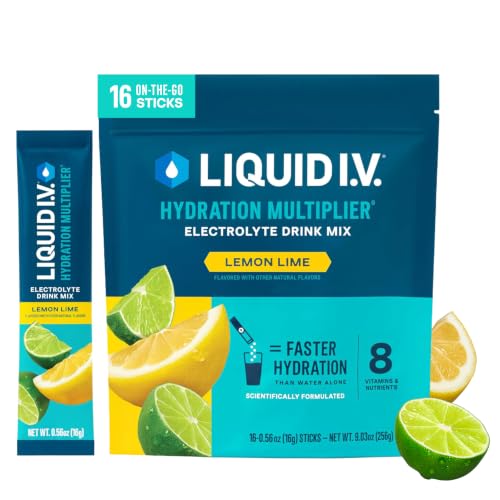
Liquid I.V. Electrolyte Packets (16 ct)
Stay hydrated during stimulation and recovery. Helps prevent OHSS symptoms.

Ekouaer 2-Pack Pajama Lounge Set
Soft, loose-fitting clothes for recovery days. Avoid tight waistbands post-retrieval.
Related Resources and State Guides
Explore more information about egg donation compensation and requirements in other states:
Illinois City-Specific Egg Donation Information
Find detailed compensation information for specific Illinois cities: