Iowa Egg Donor Pay: Earn $6,000-$15,000 Per Cycle
Become an egg donor in Iowa and earn $6,000-$15,000 per donation cycle while helping families achieve their dreams of parenthood. Discover top-rated egg donation agencies in Des Moines, Cedar Rapids, Iowa City, Davenport, and Sioux City. Get complete information about compensation rates, requirements, the donation process, and Iowa's supportive legal framework for egg donors.
Iowa Egg Donation Compensation Calculator
Calculate your potential earnings as an egg donor in Iowa. Our calculator factors in first-time vs. repeat donor status, educational background, and other compensation variables specific to Iowa's fertility market.
Calculator Settings
Your Potential Earnings
Ready to get started?
Contact a local clinic to begin the process
Competitive Compensation
Iowa egg donors earn $6,000-$8,000 for first-time donations, with experienced donors earning $10,000-$15,000. Additional compensation for travel and expenses.
Premier Medical Care
Access world-class fertility care at University of Iowa Hospitals and clinics throughout Des Moines, Cedar Rapids, and Davenport with experienced reproductive specialists.
Donor-Friendly Laws
Iowa maintains progressive assisted reproduction laws that protect egg donors while supporting intended parents through clear legal frameworks and parental rights establishment.
Complete Guide to Egg Donation in Iowa
Why Choose Iowa for Egg Donation?
Iowa offers a unique combination of advantages for prospective egg donors. The state's Midwest values create a supportive environment where egg donation is viewed as a meaningful contribution to families struggling with infertility. Iowa's fertility clinics, particularly those affiliated with the University of Iowa Health Care system, provide cutting-edge reproductive medicine with personalized care that distinguishes Iowa from larger metropolitan markets.
The compensation rates in Iowa reflect the state's growing demand for egg donors while remaining competitive with national averages. What makes Iowa particularly attractive is the lower cost of living compared to coastal states, meaning your egg donation compensation goes further. A $7,000 payment in Des Moines provides significantly more purchasing power than the same amount in New York City or San Francisco.
Iowa's central location within the Midwest fertility network also creates opportunities for donors. Many Iowa donors work with agencies that serve intended parents throughout the region, including Chicago, Minneapolis, Kansas City, and Omaha. This expanded reach often translates to faster matching times and potential for repeat donations with families who value the Iowa donor pool.
Iowa Egg Donation Compensation Breakdown
Understanding the full scope of compensation is essential when considering egg donation in Iowa. The base compensation represents just one component of your total earnings.
First-Time Donor Compensation
$6,000-$8,000 - First-time egg donors in Iowa typically receive compensation in this range. Factors affecting first-time compensation include educational background (college graduates often receive higher compensation), ethnic background (particularly for donors of Asian, Jewish, or underrepresented ethnicities), physical attributes, and medical history.
Experienced Donor Compensation
$8,000-$12,000 - Donors who have completed one or more successful cycles command higher compensation. Iowa agencies value proven donors who have demonstrated good response to medications and produced quality eggs. Third-time and beyond donors with excellent track records can earn $10,000-$15,000, especially when matched with intended parents seeking specific traits or characteristics.
Additional Compensation Components
- Travel Reimbursement: If you live outside the Des Moines or Iowa City metro areas, expect full reimbursement for mileage (72.5¢/mile 1/1 to 6/30/2026, 76¢/mile 7/1 to 12/31/2026, source: irs.gov), hotel accommodations ($100-150/night), and meal per diems ($40-60/day)
- Lost Wages: Most Iowa agencies compensate $50-75 per appointment for lost work time, particularly for the egg retrieval day
- Medication Complications: Additional $500-1,000 if you experience adverse reactions requiring medical treatment
- Maternity Clothing: $200-300 allowance if needed during stimulation due to bloating
- Childcare: Some agencies reimburse childcare costs during appointments
Payment Schedule in Iowa
Most Iowa egg donation agencies follow this payment structure:
- $0-500 signing bonus upon contract execution and clearance of all screening
- $500-1,000 when you begin medication injections (day 1 of stimulation)
- Remaining balance ($5,500-$13,500) paid 3-7 days after egg retrieval via direct deposit or check
Some premium agencies in Des Moines offer accelerated payment within 24-48 hours post-retrieval.
Egg Donor Requirements in Iowa
Iowa egg donation programs maintain specific eligibility criteria to ensure donor health and optimize outcomes for intended parents. While requirements vary slightly between agencies, these represent the standard qualifications:
Basic Requirements
- ✓Age: 21-31 years old (some agencies accept 19-34)
- ✓BMI: 18-28 (body mass index within healthy range)
- ✓Non-smoker: No nicotine use for minimum 3-6 months
- ✓Drug-free: No recreational drug use; marijuana included in most Iowa programs
- ✓Alcohol: Social drinking only; no history of substance abuse
- ✓Regular cycles: Natural menstrual cycles every 26-32 days
Medical & Background
- ✓Healthy weight: Stable weight without eating disorders
- ✓No major genetic conditions: Personal and family medical history review
- ✓Mental health: No severe depression, anxiety, or bipolar disorder
- ✓STD testing: Current negative results for all communicable diseases
- ✓Vaccinations: Up-to-date including COVID-19 (required by most Iowa clinics)
- ✓Reliable: Transportation and ability to attend all appointments
Premium Donor Traits
While not required, these characteristics often result in higher compensation and faster matching in Iowa:
- Bachelor's degree or higher (especially from University of Iowa, Iowa State, or Drake University)
- Athletic or artistic achievements
- High SAT/ACT scores (above 1300/28)
- Specific ethnic backgrounds with high demand
- Proven fertility (having children is not required but viewed positively)
- Previous successful egg donation cycle
The Iowa Egg Donation Process: Step-by-Step Timeline
Understanding the complete egg donation journey helps you prepare for the 2-3 month commitment. Here's what to expect when donating eggs in Iowa:
Step 1: Application & Initial Screening (Week 1-2)
Begin by completing an online application with Iowa egg donation agencies. You'll provide detailed information about your medical history, educational background, family health history, and personal characteristics. Agencies typically respond within 3-7 days if you meet initial criteria.
Time commitment: 30-45 minutes for application; 30-60 minutes for initial phone interview
Step 2: In-Depth Screening (Week 2-4)
If accepted into the agency's donor pool, you'll undergo comprehensive screening at an Iowa fertility clinic (Des Moines, Cedar Rapids, Iowa City, or Davenport locations). This includes:
- Physical examination by reproductive endocrinologist
- Transvaginal ultrasound to assess ovarian reserve (antral follicle count)
- Blood tests: AMH levels, FSH, estradiol, complete blood count, infectious disease screening
- Genetic carrier screening (tests for 100+ inherited conditions)
- Psychological evaluation with licensed therapist (required by FDA)
- Drug screening
Time commitment: 2-3 clinic visits totaling 4-6 hours over 2-3 weeks
Step 3: Profile Creation & Matching (Week 4-8)
Your agency creates a detailed profile including photos (childhood and recent), a personal essay, medical information, and educational background. This profile is shown to intended parents seeking an egg donor. In Iowa's market, average matching time is 1-8 weeks, though donors with in-demand characteristics may match within days. University of Iowa students and graduates often match quickly due to high educational prestige.
Time commitment: 1-2 hours for photos and essay; waiting period varies
Step 4: Legal Contract & Cycle Coordination (Week 8-10)
Once matched, you'll review and sign a legal contract with the intended parents. Iowa donors are provided independent legal counsel (paid by intended parents) to review the agreement. The contract outlines compensation, medical risks, parental rights, and confidentiality terms. Simultaneously, the clinic coordinates your cycle with the recipient's uterine lining preparation, often using birth control pills to synchronize timing.
Time commitment: 2-3 hours for legal review; 1 clinic visit
Step 5: Medication & Monitoring (Week 10-12, ~10-14 days)
The active donation phase begins with self-administered hormone injections to stimulate your ovaries to produce multiple eggs. Iowa clinics typically use gonadotropins (Follistim, Gonal-F, or Menopur) combined with GnRH antagonists (Cetrotide or Ganirelix) to prevent premature ovulation. You'll attend monitoring appointments every 2-3 days in Des Moines, Iowa City, or your nearest Iowa fertility center. Monitoring includes ultrasounds and blood tests to track follicle development.
- Days 1-5: Daily injections begin (15-20 minutes/evening)
- Days 5-10: Injections continue; monitoring appointments increase (6-8 visits)
- Day 10-12: Trigger shot (hCG or Lupron) to finalize egg maturation
Common side effects during this phase include bloating, mild cramping, breast tenderness, mood changes, and fatigue. Iowa clinics provide 24/7 nurse support via phone.
Time commitment: 20 minutes daily for injections; 6-8 clinic visits (1-2 hours each)
Step 6: Egg Retrieval (Week 12, Day 13-14)
The egg retrieval procedure occurs exactly 36 hours after your trigger shot at the Iowa fertility clinic. You'll receive IV sedation (twilight anesthesia) administered by an anesthesiologist. The reproductive endocrinologist uses transvaginal ultrasound guidance to aspirate eggs from your ovarian follicles using a thin needle. The procedure takes 20-30 minutes. You'll rest in recovery for 1-2 hours before being discharged with a companion (required). Most Iowa clinics retrieve 10-20 eggs per cycle on average.
Post-retrieval recovery: Expect cramping, bloating, and spotting for 3-5 days. Most donors return to work/school within 1-2 days, though you should avoid strenuous exercise for one week. Your period will return in 7-14 days.
Time commitment: 4-6 hours for retrieval day (including prep and recovery)
Step 7: Follow-Up & Payment (Week 13)
You'll have a follow-up appointment or phone call with the clinic 7-10 days post-retrieval to ensure proper recovery. Your final compensation payment is typically issued 3-7 days after retrieval. Iowa agencies use direct deposit or send checks via certified mail.
Time commitment: 15-30 minutes for follow-up call
Important Iowa-Specific Considerations
- Winter weather: Iowa clinics are experienced with winter cycle planning. Schedule flexibility may be needed during blizzards
- Rural donors: If you live in rural Iowa, discuss telemedicine monitoring options with your agency. Some monitoring can be done at local hospitals with results sent to the main clinic
- University of Iowa partnerships: UI Hospitals and Clinics in Iowa City serve as a major hub, with satellite monitoring available in Des Moines, Cedar Rapids, and Davenport
Top Egg Donation Agencies & Fertility Clinics in Iowa
Iowa offers access to nationally recognized fertility centers and egg donation agencies serving the entire Midwest region. Here are the premier options for prospective egg donors:
University of Iowa Center for Advanced Reproductive Care (Iowa City)
Location: 200 Hawkins Drive, Iowa City, IA 52242
As Iowa's premier academic medical center, the UI Center for Advanced Reproductive Care combines cutting-edge research with compassionate clinical care. The program has one of the highest success rates in the region and serves as a training site for reproductive endocrinology fellows, ensuring exposure to the latest evidence-based practices. Donors receive care from board-certified specialists and benefit from comprehensive support services.
Compensation: $7,000-$12,000 | Known for: Academic excellence, research partnerships, comprehensive genetic screening
Iowa Fertility and IVF Center (Des Moines)
Locations: West Des Moines and Ankeny
The largest private fertility practice in Iowa, offering state-of-the-art IVF laboratory facilities and personalized donor coordination. Known for quick matching times and donor-friendly scheduling that accommodates work and school commitments. The practice maintains relationships with national egg donor agencies and serves intended parents throughout the Midwest.
Compensation: $6,500-$11,000 | Known for: Fast matching, flexible scheduling, experienced donor coordinators
Reproductive Medicine & Infertility Associates (Cedar Rapids)
Location: 525 33rd Avenue SW, Cedar Rapids, IA 52404
Serving Eastern Iowa for over 25 years, this practice offers comprehensive fertility services including a robust egg donation program. They work with both local donors and national agencies to serve diverse patient populations. Known for excellent communication and donor support throughout the process.
Compensation: $6,000-$10,000 | Known for: Personalized care, experienced staff, strong regional reputation
Midwest Fertility Center (Davenport)
Location: Serving the Quad Cities region
This regional fertility center connects egg donors with families throughout Iowa, Illinois, and Missouri. Their proximity to multiple states creates unique opportunities for donors to work with intended parents from varied backgrounds. The clinic emphasizes donor education and provides extensive counseling services.
Compensation: $6,000-$9,500 | Known for: Regional network, donor education, multi-state matching
National Egg Donation Agencies Serving Iowa
Several national agencies recruit Iowa donors for intended parents nationwide. These include Circle Surrogacy & Egg Donation, Donor Nexus, and Shady Grove Fertility's Donor Egg Bank. National agencies often offer higher compensation ($8,000-$15,000) and work with local Iowa clinics for monitoring and retrieval. Benefits include access to a larger pool of intended parents and potential for premium compensation based on your unique traits.
Compensation: $7,000-$15,000 | Known for: Nationwide matching, premium compensation opportunities, established programs
Egg Donation in Major Iowa Cities
Des Moines Metropolitan Area
As Iowa's capital and largest city with over 700,000 metro residents, Des Moines serves as the primary hub for egg donation in central Iowa. The city hosts multiple fertility clinics in West Des Moines, Ankeny, and downtown locations. Des Moines donors benefit from convenient access to monitoring appointments, extensive appointment availability, and the highest concentration of intended parents in the state. The city's young professional population and presence of major employers (Principal Financial, Wells Fargo, Nationwide) create steady demand for egg donors.
Average compensation in Des Moines: $6,500-$12,000 | Local clinics: 3-4 major facilities
Iowa City & University of Iowa
Home to the University of Iowa and the state's premier academic medical center, Iowa City represents a unique egg donation market. The city attracts educated donors, including current UI students and graduates, who are highly sought after by intended parents valuing academic achievement. UI Hospitals and Clinics' nationally ranked reproductive medicine program provides donors with exceptional medical care. The student population creates a steady supply of young, qualified donors, though competition exists. UI affiliation often commands premium compensation.
Average compensation in Iowa City: $7,000-$13,000 | Local clinics: UI Center for Advanced Reproductive Care, private practices
Cedar Rapids
Iowa's second-largest city offers egg donation opportunities through established fertility practices serving Eastern Iowa. Cedar Rapids' location between Des Moines and Iowa City makes it convenient for donors across the region. The city's strong healthcare infrastructure and growing population support multiple fertility clinics. Cedar Rapids donors often work with both local intended parents and families from neighboring states seeking Midwest donors.
Average compensation in Cedar Rapids: $6,000-$10,000 | Local clinics: 2-3 major practices
Davenport & the Quad Cities
Straddling the Iowa-Illinois border, the Quad Cities region provides unique opportunities for egg donors. Davenport's position within this metro area of 380,000+ residents means access to fertility services serving both states. Donors here may work with agencies recruiting for Illinois, Iowa, and regional intended parents. The area's diverse population and proximity to Chicago (3 hours) create demand for various donor ethnicities and backgrounds.
Average compensation in Davenport: $6,000-$9,500 | Local clinics: Regional fertility centers
Sioux City
Serving Northwest Iowa and the tri-state area (Iowa, Nebraska, South Dakota), Sioux City connects donors with intended parents across the region. While offering fewer local clinics than larger Iowa cities, Sioux City donors often work with agencies based in Omaha, Des Moines, or Sioux Falls for monitoring and procedures. The area's agricultural economy and family-oriented culture create appreciation for the gift of egg donation. Travel reimbursement is typically more generous for Sioux City donors traveling to other cities for procedures.
Average compensation in Sioux City: $6,000-$9,000 | Clinic access: Local monitoring with regional partnerships
Iowa Egg Donation Laws & Legal Framework
Understanding the legal landscape is crucial for egg donors in Iowa. The state maintains clear statutes governing assisted reproduction, providing certainty and protection for all parties involved.
Key Legal Protections for Iowa Egg Donors
- 1.No Parental Rights or Responsibilities: Iowa law clearly establishes that egg donors have no legal relationship to children born from their donated eggs. This protection is codified in the Iowa Code Section 710.11, which governs assisted reproduction agreements.
- 2.Contract Enforceability: Iowa recognizes and enforces properly executed egg donation agreements. Your contract with intended parents is legally binding, protecting your compensation rights and limiting liability.
- 3.Anonymity Options: Iowa allows both anonymous and known egg donation arrangements. Donors can choose their level of contact with intended parents and resulting children, from completely anonymous to open-identity programs.
- 4.Medical Records Privacy: HIPAA protections apply to all medical procedures and records related to your egg donation. Clinics cannot share your information without consent.
- 5.Right to Legal Counsel: Iowa egg donation agencies are required to provide donors with independent legal representation (paid by intended parents) to review contracts before signing. This ensures you understand all terms and your rights are protected.
Important Legal Considerations
- Compensation reporting: Egg donation compensation is taxable income. You'll receive IRS Form 1099 for amounts over $600. Consult a tax professional about deductions for medical-related expenses.
- Health insurance: Your personal health insurance may have exclusions for infertility treatments. Iowa law requires intended parents to provide insurance coverage for complications arising from the donation process.
- Future contact: If you choose anonymous donation, Iowa does not have mandatory donor registries. However, many donors register with voluntary databases like the Donor Sibling Registry.
- Informed consent: Iowa clinics must provide comprehensive informed consent documents detailing all medical risks, procedures, and alternatives before beginning treatment.
Egg donor pay by city in Iowa
Start with Iowa egg donor pay statewide, then the program nearest you.
- Ames egg donor pay
- Cedar Rapids egg donor pay
- Council Bluffs egg donor pay
- Davenport egg donor pay
- Des Moines egg donor pay
- Dubuque egg donor pay
- Iowa City egg donor pay
- Sioux City egg donor pay
- Waterloo egg donor pay
- West Des Moines egg donor pay
Other donor pay in Iowa
Egg donor pay by state
- Alabama egg donor pay
- Alaska egg donor pay
- Arizona egg donor pay
- Arkansas egg donor pay
- California egg donor pay
- Colorado egg donor pay
- Connecticut egg donor pay
- Delaware egg donor pay
- Florida egg donor pay
- Georgia egg donor pay
- Hawaii egg donor pay
- Idaho egg donor pay
- Illinois egg donor pay
- Indiana egg donor pay
- Kansas egg donor pay
- Kentucky egg donor pay
- Louisiana egg donor pay
- Maine egg donor pay
- Maryland egg donor pay
- Massachusetts egg donor pay
- Michigan egg donor pay
- Minnesota egg donor pay
- Mississippi egg donor pay
- Missouri egg donor pay
- Montana egg donor pay
- Nebraska egg donor pay
- Nevada egg donor pay
- New Hampshire egg donor pay
- New Jersey egg donor pay
- New Mexico egg donor pay
- New York egg donor pay
- North Carolina egg donor pay
- North Dakota egg donor pay
- Ohio egg donor pay
- Oklahoma egg donor pay
- Oregon egg donor pay
- Pennsylvania egg donor pay
- Rhode Island egg donor pay
- South Carolina egg donor pay
Essential Items for Iowa Egg Donors
As an Amazon Associate, we earn from qualifying purchases. These products may help with your donation journey.

Pink Stork Total Prenatal + DHA
EssentialStart 2-3 months before donation. Supports egg health and overall fertility.

Pure Enrichment PureRelief Heating Pad
RecoveryRelieves cramps and discomfort during hormone injections and post-retrieval recovery.
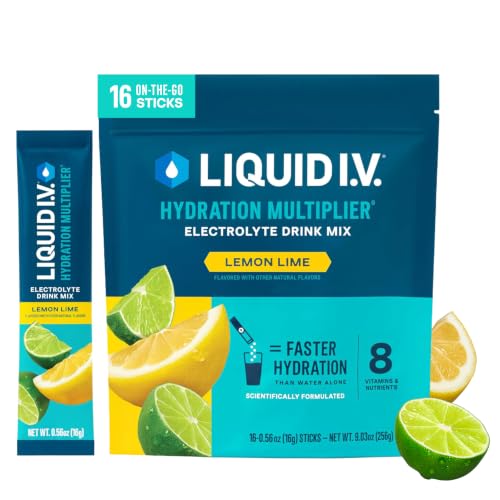
Liquid I.V. Electrolyte Packets (16 ct)
Stay hydrated during stimulation and recovery. Helps prevent OHSS symptoms.

Ekouaer 2-Pack Pajama Lounge Set
Soft, loose-fitting clothes for recovery days. Avoid tight waistbands post-retrieval.
Frequently Asked Questions About Egg Donation in Iowa
How much do egg donors make in Iowa?
Iowa egg donors typically earn $6,000-$8,000 for their first donation cycle, with experienced donors earning $10,000-$15,000 for subsequent cycles. Additional compensation includes travel reimbursement, lost wage compensation, and coverage for any medical complications. Premium donors with sought-after traits (advanced degrees, specific ethnic backgrounds, proven fertility history) command the highest compensation. Total earnings including all expenses typically range from $7,500-$16,500 per cycle.
How long does the egg donation process take in Iowa?
From initial application to egg retrieval, the complete process takes approximately 2-3 months in Iowa. This breaks down to: 2-4 weeks for application and screening, 1-8 weeks for matching with intended parents (average 3-4 weeks for most donors), 2 weeks for legal contracts and cycle synchronization, and 10-14 days for medication and monitoring leading to retrieval. The active medication phase requiring frequent appointments lasts only about two weeks.
Can I donate eggs if I live in rural Iowa?
Yes, rural Iowa residents can become egg donors. Many Iowa fertility clinics offer flexible monitoring arrangements where initial ultrasounds and blood work can be performed at local hospitals or clinics near your home, with results transmitted to the main fertility center. You'll need to travel to Des Moines, Iowa City, Cedar Rapids, or Davenport for the egg retrieval procedure itself, but agencies provide full reimbursement for mileage, hotel accommodations, and meals. Some national agencies specifically recruit rural donors to diversify their donor pools.
Will egg donation affect my future fertility?
Medical research and decades of data show that egg donation does not reduce your future fertility or ability to have children. Women are born with 1-2 million eggs and naturally lose hundreds each month through normal ovulation. Egg donation simply allows more of the eggs your body would naturally release that month to mature for retrieval. The American Society for Reproductive Medicine confirms that properly monitored egg donation poses minimal long-term risks to donor fertility. Iowa's fertility clinics follow strict FDA and ASRM guidelines to minimize any short-term risks.
Do I need to have children already to donate eggs in Iowa?
No, Iowa egg donation programs do not require donors to have children. Most first-time egg donors are nulliparous (have not given birth). However, donors who have successfully carried pregnancies may have slight advantages in the matching process, as proven fertility can be attractive to some intended parents. The most important factors are your overall health, ovarian reserve (measured by AMH and antral follicle count), and meeting the age and medical requirements.
Are University of Iowa students eligible to donate eggs?
Yes, University of Iowa students are highly sought-after egg donors due to the university's academic reputation. Students must be at least 21 years old (though some agencies accept 19+) and able to commit to the 2-3 month process including multiple appointments. Many UI students donate during summer breaks to avoid conflicts with classes. The proximity of UI Hospitals and Clinics makes Iowa City an ideal location for student donors. UI affiliation often results in premium compensation due to high intended parent demand.
What are the risks and side effects of egg donation?
Egg donation is generally safe, but like any medical procedure, it carries some risks. Common side effects during the medication phase include bloating, breast tenderness, mood swings, headaches, and fatigue - similar to PMS symptoms. The most significant risk is Ovarian Hyperstimulation Syndrome (OHSS), which occurs in 1-2% of donors. OHSS symptoms include severe bloating, abdominal pain, nausea, and in rare cases, fluid accumulation requiring hospitalization. Iowa fertility clinics minimize this risk through careful monitoring and individualized medication protocols. Other rare risks include infection, bleeding, and complications from anesthesia during egg retrieval. Long-term studies show no increased cancer risk or lasting fertility impacts from egg donation.
How many times can I donate eggs in Iowa?
The American Society for Reproductive Medicine recommends limiting egg donation to six cycles per donor across their lifetime. Iowa clinics and agencies follow this guideline to minimize cumulative health risks. Most donors complete 2-3 cycles. You must wait at least 2-3 menstrual cycles (typically 3-6 months) between donations to allow your body to fully recover. Experienced donors who have completed successful previous cycles are in high demand and receive premium compensation for subsequent donations.
Is egg donation anonymous in Iowa?
Iowa allows both anonymous and known egg donation arrangements - you choose your comfort level. In anonymous donation, intended parents see your profile with photos and information but don't know your identity. You may or may not learn their identities depending on the agreement. Known donation (often called open or identified) allows varying degrees of contact between donors and intended parents, from meeting once to ongoing updates about resulting children. Semi-open arrangements share first names and limited contact through the agency. Iowa law protects anonymous donors from future parental claims regardless of arrangement type.
What happens to my eggs after donation?
After retrieval, your eggs are fertilized in the Iowa fertility clinic's laboratory using the intended father's sperm (or donor sperm). The resulting embryos are cultured for 3-5 days, then either transferred fresh into the intended mother's uterus or cryopreserved (frozen) for future use. Most cycles result in 10-20 retrieved eggs, with 70-80% typically fertilizing successfully. Intended parents may achieve one or multiple pregnancies from a single donation cycle. Any unused embryos remain the property of the intended parents, who decide whether to store them, donate them to research, or discard them. As the donor, you have no legal rights or responsibilities regarding the eggs or embryos after donation.
Do I need health insurance to donate eggs in Iowa?
While having health insurance is beneficial, it's not required to become an egg donor in Iowa. Intended parents are responsible for all medical costs related to the egg donation cycle, including screening tests, monitoring appointments, medications, the egg retrieval procedure, and any immediate complications. This coverage is typically provided through the clinic's bundled fees or supplemental insurance purchased by intended parents. However, you should maintain your own health insurance for any unrelated medical needs and long-term complications (rare but possible). Some Iowa agencies require proof of health insurance before accepting donors into their programs. Review your personal insurance policy's exclusions regarding fertility treatments and elective procedures.
Take the First Step Toward Egg Donation in Iowa
Becoming an egg donor in Iowa is a meaningful way to help families while earning significant compensation. Whether you're a college student, young professional, or simply looking to make a difference, Iowa's supportive egg donation community welcomes you.
Ready to start your egg donation journey?
- ✓ Use our calculator above to estimate your compensation
- ✓ Contact Iowa fertility clinics and agencies to begin screening
- ✓ Attend an informational session or consultation (most are free)
- ✓ Connect with past donors to learn about their experiences
- ✓ Review your medical history and gather family health information
Additional Resources for Iowa Egg Donors
Medical Resources
- American Society for Reproductive Medicine (ASRM) patient education
- Society for Assisted Reproductive Technology (SART) clinic success rates
- University of Iowa Hospitals & Clinics reproductive health information
- Iowa Department of Public Health reproductive health services
Support & Community
- Donor Sibling Registry (voluntary registry for donor-conceived individuals)
- We Are Egg Donors (online community and forum)
- RESOLVE: The National Infertility Association
- Local Iowa support groups through fertility clinics
Join Iowa's Egg Donor Community Today
Thousands of Iowa women have helped create families through egg donation. With competitive compensation, world-class medical care, and supportive legal protections, Iowa offers an excellent environment for egg donors. Calculate your potential earnings above and contact an Iowa fertility clinic or agency to begin your application today.