Philadelphia Egg Donation Pay 2026: Penn & Medical Hub Guide
Complete guide to egg donor compensation in Philadelphia. Home to an Ivy League university, world-class medical research, and a diverse population seeking egg donors.

Philadelphia - The City of Brotherly Love
Philadelphia Market Overview
Philadelphia offers egg donors a compelling market that combines Ivy League prestige, world-class medical research, and more affordable living than nearby New York City. As the sixth-largest US city, Philadelphia hosts the University of Pennsylvania—one of the eight Ivy League schools—along with numerous medical schools and research institutions that create strong demand for educated, health-conscious donors.
The Philadelphia region's substantial Jewish population, concentrated in areas like the Main Line and Montgomery County, creates premium demand for Jewish egg donors. Meanwhile, the city's diverse population—including significant African American and Hispanic communities—ensures demand for donors of all backgrounds.
Philadelphia Market Highlights 2026
- ★UPenn Ivy League premium - one of only 8 Ivy schools
- ★Major medical research hub (Penn Medicine, Jefferson)
- ★Strong Jewish donor demand (Main Line, Montgomery County)
- ★30% lower cost of living than NYC
- ★Multiple top universities: Temple, Drexel, Villanova
Philadelphia's position in the Northeast corridor makes it accessible to intended parents from New York, New Jersey, and Washington DC who may find Philadelphia donors and clinics offer better value. This regional draw expands the potential matching pool while keeping the donation process conveniently local.
2026 Compensation Rates
Philadelphia egg donor compensation reflects the city's position as a major Northeast market, typically falling between New York and secondary cities. The presence of UPenn and major medical institutions creates premium opportunities for academically and scientifically accomplished donors.
| Donor Category | Compensation Range | Notes |
|---|---|---|
| First-Time Donor | $8,000 - $12,000 | Philadelphia average |
| Repeat Donor | $10,000 - $15,000 | Proven track record |
| UPenn Student/Grad | $15,000 - $50,000 | Ivy League premium |
| Jewish Donor | $12,000 - $40,000 | Strong regional demand |
| Medical/Nursing Student | $12,000 - $25,000 | Healthcare premium |
| African American Donor | $10,000 - $25,000 | Strong demand |
| Exceptional Donor | $30,000 - $50,000+ | Multiple premium factors |
Cost of Living Advantage
Philadelphia offers significant value compared to NYC:
- Housing: 40% lower than Manhattan, 25% lower than Brooklyn
- Overall cost: 30% lower than NYC metro average
- Result: $10,000 in Philly = ~$13,000 purchasing power vs. NYC
- PA state tax: 3.07% flat rate (lower than NYC)
UPenn Ivy League Premium
The University of Pennsylvania—an Ivy League institution and one of America's most prestigious universities—provides Philadelphia's signature egg donation premium. Penn's renowned Wharton School of Business, Perelman School of Medicine, and strong engineering and nursing programs make Penn students and graduates exceptionally sought after.
UPenn Premium Structure
Highest Premiums ($15,000-$35,000+)
- Wharton (undergraduate or MBA)
- Penn Medicine student
- Penn Law student
- Penn Engineering (STEM)
- PhD candidate (any field)
Moderate Premiums ($10,000-$20,000)
- Penn Nursing student
- Penn Arts & Sciences
- Penn Graduate Education
- Penn alumni (any school)
- Penn staff member
Many Philadelphia-area intended parents are Penn alumni themselves and specifically seek donors from their alma mater. The Penn network effect creates matching preferences that benefit Penn-affiliated donors. Even donors who work at Penn (staff, researchers) may receive enhanced consideration due to their connection to the institution.
Medical Research Hub
Philadelphia hosts one of the nation's largest concentrations of medical schools and research hospitals. Penn Medicine, Jefferson Health, Temple Health, and the Children's Hospital of Philadelphia (CHOP) employ thousands of physicians, researchers, and healthcare professionals—many of whom become intended parents seeking donors with medical backgrounds.
Medical Premium Qualifications
- Medical student: +$8,000-$20,000
- Nursing student/RN: +$5,000-$12,000
- PhD in biomedical field: +$8,000-$15,000
- Research scientist: +$5,000-$12,000
- Pharmacist/PharmD: +$5,000-$10,000
- PT/OT/Speech therapist: +$3,000-$8,000
Donors working at Philadelphia's major medical institutions often find particular interest from intended parents in similar fields. The combination of medical knowledge, health consciousness, and institutional affiliation makes these donors especially appealing.
Top Philadelphia Programs
Penn Fertility Care (Penn Medicine)
Academic medical center program at the University of Pennsylvania. Prestigious affiliation and comprehensive donor care.
Reproductive Medicine Associates (RMA)
Regional fertility network with Philadelphia-area locations. Comprehensive donor program with competitive rates.
Main Line Fertility
Suburban Philadelphia practice serving the Main Line and surrounding areas. Strong donor program.
Shady Grove Fertility (National)
Large regional network with Philadelphia coverage. Known for extensive donor database.
Donor Requirements
Basic Requirements
- Age 21-30 (some accept 19-32)
- BMI under 28-30
- Non-smoker, no recreational drugs
- Regular menstrual cycles
- No hereditary conditions
- Reliable transportation
- Flexible schedule
Preferred Qualifications
- College education (valued in Philly)
- Good AMH/AFC results
- Clean genetic screening
- Philadelphia area residency
- Previous pregnancy or donation
- Positive psychological evaluation
- Stable living situation
Donation Process
Application (1-2 weeks)
Complete detailed application with photos, essay, and family health history.
Matching (2-8 weeks)
Profile reviewed by intended parents. Penn and Jewish donors often match quickly.
Medical Screening (1-2 weeks)
Comprehensive physical, genetic testing, and psychological evaluation.
Legal Contracts (1 week)
Independent attorney reviews contract (paid by intended parents).
Stimulation (10-14 days)
Daily hormone injections with monitoring every 2-3 days.
Egg Retrieval (1 day)
Quick outpatient procedure. Most donors recover within 24-48 hours.
Frequently Asked Questions
How does Philadelphia compare to NYC?
Philadelphia compensation is typically 15-20% lower than NYC, but the 30% lower cost of living often makes Philly more advantageous. Penn provides similar Ivy League premiums to Columbia or NYU in New York.
I'm a Temple or Drexel student. Is there a premium?
Temple and Drexel students receive moderate premiums ($3,000-$8,000) over base compensation. While not at Penn's Ivy League level, these universities are well-respected and valued by intended parents.
Is there high demand for Jewish donors in Philadelphia?
Yes, Philadelphia's substantial Jewish population, particularly in the Main Line and Montgomery County suburbs, creates consistent premium demand for Jewish donors. Ashkenazi heritage is most sought after.
Can I donate if I live in South Jersey or Delaware?
Yes, donors from the greater Philadelphia region including South Jersey (Cherry Hill, Moorestown) and Delaware (Wilmington) are welcome. Consider commute time for monitoring appointments when choosing a clinic.
Recommended Products
As an Amazon Associate, we earn from qualifying purchases. These products may help with your donation journey.

Pink Stork Total Prenatal + DHA
EssentialStart 2-3 months before donation. Supports egg health and overall fertility.

Pure Enrichment PureRelief Heating Pad
RecoveryRelieves cramps and discomfort during hormone injections and post-retrieval recovery.
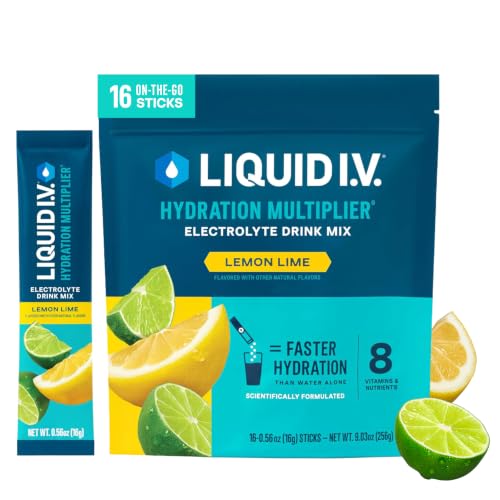
Liquid I.V. Electrolyte Packets (16 ct)
Stay hydrated during stimulation and recovery. Helps prevent OHSS symptoms.

Ekouaer 2-Pack Pajama Lounge Set
Soft, loose-fitting clothes for recovery days. Avoid tight waistbands post-retrieval.
Calculate Your Philadelphia Earnings
See how much you could earn as an egg donor in Philadelphia based on your unique qualifications.
Related Guides
Ready to Start Your Philadelphia Egg Donation Journey?
Join Philadelphia's Ivy League and medical research community while earning premium compensation.