Washington DC Egg Donation Pay 2026: Capital Region Guide
Complete guide to egg donor compensation in Washington DC, Maryland, and Northern Virginia. Access the nation's most educated, high-income intended parent population with premium opportunities.

Washington DC - The Nation's Capital
DC Metro Market Overview
The Washington DC metropolitan area represents one of the most lucrative egg donation markets in the United States. The region's concentration of highly educated, high-income professionals—lawyers, lobbyists, diplomats, government executives, and consultants—creates robust demand for egg donors with exceptional credentials. With median household incomes among the highest in the nation, DC-area intended parents have the resources to offer premium compensation.
The DC metro spans the District of Columbia, Northern Virginia (Arlington, Alexandria, Fairfax), and suburban Maryland (Bethesda, Rockville, Silver Spring). This tri-state region provides flexibility for donors, with fertility clinics distributed throughout the area. The concentration of prestigious universities—Georgetown, GW, American, Howard, UMD, UVA—creates a particularly strong market for academically accomplished donors.
DC Metro Market Highlights 2026
- ★Highest median income metro area in the US
- ★Most educated population - graduate degrees common
- ★Georgetown, GW, Howard university premiums
- ★Strong African American donor demand (Howard, federal workforce)
- ★NIH corridor creates medical/research premium
The NIH (National Institutes of Health) in Bethesda anchors a major biomedical research corridor, attracting scientists and physicians who often become intended parents seeking donors with medical or scientific backgrounds. The diplomatic community and international organizations also create demand for diverse donors, particularly those fluent in multiple languages.
2026 Compensation Rates
DC-area egg donor compensation reflects the region's affluence, with rates competitive with major coastal markets. The concentration of well-compensated professionals means intended parents often offer premium rates for donors matching their exacting standards.
| Donor Category | Compensation Range | Notes |
|---|---|---|
| First-Time Donor | $8,000 - $12,000 | DC metro average |
| Repeat Donor | $10,000 - $15,000 | Proven track record |
| Georgetown/GW Grad | $15,000 - $35,000 | Prestige premium |
| Howard University Grad | $12,000 - $30,000 | HBCU premium |
| African American Donor | $10,000 - $30,000 | Strong demand |
| Law/Policy Background | $12,000 - $25,000 | DC industry match |
| NIH/Research Background | $12,000 - $25,000 | Scientific premium |
| Exceptional Donor | $35,000 - $50,000+ | Multiple premium factors |
Regional Tax Considerations
Tax treatment varies by residence within the DC metro:
- DC residents: ~8.5% DC income tax on higher brackets
- Maryland residents: ~5.75% state + county taxes
- Virginia residents: ~5.75% state income tax
- All: Federal income tax applies regardless
University Premiums
The DC area's concentration of prestigious universities creates exceptional premium opportunities for student and graduate donors. Many intended parents specifically seek donors from institutions matching their own backgrounds or aspirations.
University Premium Structure
Highest Premiums
- Georgetown University: +$10,000-$25,000
- Georgetown Law: +$15,000-$30,000
- GW (any program): +$8,000-$20,000
- Howard University: +$10,000-$25,000
- Johns Hopkins (nearby): +$10,000-$25,000
Moderate Premiums
- American University: +$5,000-$12,000
- University of Maryland: +$4,000-$10,000
- George Mason: +$3,000-$8,000
- Catholic University: +$4,000-$10,000
- UVA (nearby): +$8,000-$15,000
Georgetown University holds particular prestige in the DC market, with both alumni and non-alumni intended parents seeking Georgetown donors. The university's law school, medical school, and School of Foreign Service produce donors especially valued by DC's policy-making class.
Howard University's status as the nation's premier HBCU makes Howard students and graduates exceptionally sought after for African American donor needs. The combination of academic excellence and cultural significance commands premium compensation.
Diverse Donor Demand
Washington DC's diverse population creates demand for donors of all ethnic backgrounds. The federal workforce, diplomatic community, and international organizations bring people from around the world, many of whom seek donors matching their heritage.
| Ethnic Background | Demand Level | Compensation Range |
|---|---|---|
| African American | Very High | $10,000 - $30,000 |
| Asian (various) | Very High | $12,000 - $35,000 |
| Hispanic/Latino | High | $10,000 - $25,000 |
| South Asian (Indian) | High | $12,000 - $30,000 |
| Ethiopian/East African | High | $10,000 - $25,000 |
| Middle Eastern | Moderate-High | $10,000 - $25,000 |
DC has one of the largest Ethiopian communities outside of Africa, creating unique demand for Ethiopian and East African donors. The diplomatic community from African nations also seeks donors of specific African heritage, often with premium compensation.
Top DC Programs
Shady Grove Fertility (Rockville, MD)
One of the nation's largest fertility practices with extensive donor program. Multiple locations throughout DC metro.
Columbia Fertility Associates (DC)
DC-based practice with strong donor program. Convenient central location.
Virginia Center for Reproductive Medicine
Northern Virginia practice serving the DC metro with comprehensive donor services.
Growing Generations (National)
National agency with strong DC presence. Known for premium compensation and diverse donor pool.
Donor Requirements
Basic Requirements
- Age 21-30 (some accept 19-32)
- BMI under 28-30
- Non-smoker, no recreational drugs
- Regular menstrual cycles
- No hereditary conditions
- Reliable transportation
- Flexible schedule
Preferred Qualifications
- College education (highly valued in DC)
- Graduate degree preferred
- Good AMH/AFC results
- Clean genetic screening
- DC metro residency
- Professional employment
- Multiple language fluency
Donation Process
Application (1-2 weeks)
Complete detailed application with photos, essay, and family health history.
Matching (2-8 weeks)
Profile reviewed by intended parents. University-affiliated donors often match quickly.
Medical Screening (1-2 weeks)
Comprehensive physical, genetic testing, and psychological evaluation.
Legal Contracts (1 week)
Independent attorney reviews contract (paid by intended parents).
Stimulation (10-14 days)
Daily hormone injections with monitoring every 2-3 days.
Egg Retrieval (1 day)
Quick outpatient procedure. Most donors recover within 24-48 hours.
Frequently Asked Questions
I live in Maryland. Can I donate at DC clinics?
Yes, donors from MD, VA, and DC can work with clinics anywhere in the metro. Choose based on convenience for monitoring appointments—you'll visit 5-7 times over 10-14 days.
Does working at NIH or a federal agency help?
Yes, federal employees, especially those in research or health-related agencies, often receive enhanced consideration. NIH employees are particularly valued by intended parents in the biomedical field.
Are Georgetown law students in demand?
Exceptionally so. Georgetown Law students command some of the highest premiums in the DC market, given the concentration of legal professionals seeking donors. Expect $15,000-$30,000+ for first cycle.
How does DC compare to NYC for compensation?
Compensation is similar, with NYC slightly higher at the very top end. DC has stronger demand for African American donors and government/policy backgrounds, while NYC leads in finance and entertainment.
Recommended Products
As an Amazon Associate, we earn from qualifying purchases. These products may help with your donation journey.

Pink Stork Total Prenatal + DHA
EssentialStart 2-3 months before donation. Supports egg health and overall fertility.

Pure Enrichment PureRelief Heating Pad
RecoveryRelieves cramps and discomfort during hormone injections and post-retrieval recovery.
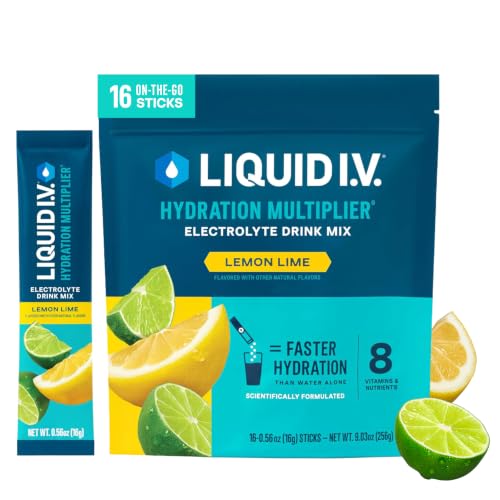
Liquid I.V. Electrolyte Packets (16 ct)
Stay hydrated during stimulation and recovery. Helps prevent OHSS symptoms.

Ekouaer 2-Pack Pajama Lounge Set
Soft, loose-fitting clothes for recovery days. Avoid tight waistbands post-retrieval.
Calculate Your DC Metro Earnings
See how much you could earn as an egg donor in Washington DC based on your unique qualifications.
Related Guides
NYC Egg Donation Pay 2026
Compare rates in the nation's largest market.
Boston Egg Donation Pay 2026
Ivy League premiums in the Northeast corridor.
Atlanta Egg Donation Pay 2026
Another strong market for African American donors.
Egg Donation Laws by State 2026
Understanding DC, MD, and VA legal frameworks.
Ready to Start Your DC Egg Donation Journey?
Join the nation's capital's fertility community and help families while earning premium compensation.