Egg Donation Laws by State 2026: Complete Legal Guide for Donors

Key Takeaways:
- Federal law provides minimal regulation; state laws vary significantly
- California, Texas, and Illinois have the most comprehensive donor protections
- No state limits egg donor compensation amounts
- Donors have no parental rights or obligations when proper contracts exist
- Most states allow anonymous or open-identity donation—your choice
Understanding the legal landscape of egg donation is essential for anyone considering becoming a donor. While federal law provides little guidance on egg donation, individual states have developed varying frameworks that affect your rights, protections, and obligations as a donor.
This comprehensive guide covers egg donation laws across all 50 states, helping you understand where you're best protected, what your rights are, and what legal considerations matter most. Whether you're considering your first donation or are an experienced donor, this legal overview provides essential information for 2026.
Legal Landscape Overview

Egg donation in the United States operates in a unique legal environment. Unlike sperm donation, which has decades of established case law, egg donation is relatively newer and legal frameworks are still evolving. Here's what you need to know about the current landscape:
Federal Regulation
At the federal level, egg donation is primarily regulated through:
- FDA regulations: Require screening for infectious diseases
- ASRM guidelines: Professional recommendations (not legally binding)
- FTC oversight: Governs advertising and marketing practices
Notably, there is no federal law that specifically governs egg donor compensation, parental rights, or anonymity. These matters are left entirely to individual states.
State-Level Variation
State laws regarding egg donation fall into three general categories:
Comprehensive Laws
States with specific statutes addressing egg donation, donor rights, and parentage (e.g., California, Texas, Illinois)
Partial Laws
States with laws that mention assisted reproduction but may not specifically address egg donation
No Specific Laws
States where egg donation is governed by contract law and court precedent only
Key Legal Concepts for Donors
Before diving into state-specific laws, understand these fundamental legal concepts:
1. Parentage and Parental Rights
The most important legal issue for egg donors is parentage—who is legally considered the parent of any child born from your donated eggs? In properly structured donations:
- The intended parents (recipients) are the legal parents
- The egg donor has no parental rights or responsibilities
- The donor has no obligation to provide child support
- The donor cannot seek custody or visitation
Good News for Donors:
When proper legal agreements are in place, there has never been a successful case in US history of an egg donor being held financially responsible for a child born from her donation, or having parental rights/responsibilities imposed upon her.
2. Compensation vs. "Selling" Eggs
Legally, egg donor compensation is structured as payment for time, inconvenience, and medical procedure—not as a sale of eggs or genetic material. This distinction is important because:
- It avoids potential legal issues with "selling body parts"
- It's why compensation is paid regardless of the number of eggs retrieved
- It's why donors are compensated even if no eggs are successfully retrieved
3. Anonymity and Identity
Egg donors can typically choose between:
- Anonymous donation: Your identity is never revealed to recipients or offspring
- Open-ID donation: Offspring can access your identifying information at age 18
- Known donation: Recipients know your identity from the start
Most Donor-Friendly States (2026 Rankings)
Based on legal protections, case law, and industry practices, here are the most donor-friendly states:
Tier 1: Best Legal Protections
| State | Key Protections | Why It's Top-Tier |
|---|---|---|
| California | Clear parentage laws, contract enforceability | Most comprehensive ART statutes in the nation |
| Texas | Strong donor relinquishment provisions | Clear statutory framework since 2001 |
| Illinois | Gestational Surrogacy Act covers egg donation | Explicitly addresses gamete donation |
| Nevada | Modern parentage laws, pro-ART | Updated statutes in 2019 |
| Connecticut | Comprehensive parentage statutes | Clear gamete donor provisions |
Tier 2: Strong Protections
| State | Notes |
|---|---|
| Florida | Established case law, active fertility industry |
| Massachusetts | Strong case law, major fertility hub |
| Washington | Updated Uniform Parentage Act adoption |
| Oregon | Progressive approach, strong contracts |
| Colorado | Modern parentage laws, donor protections |
| New York | Comprehensive 2021 reform, now pro-ART |
| New Jersey | Strong case law, active market |
State-by-State Legal Guide
Here's a detailed breakdown of egg donation laws in key states:
California
- Parentage: Clear statute (Fam. Code § 7613) establishes intended parents as legal parents
- Donor Rights: Donor has no parental rights when donation is through licensed facility
- Compensation: No limits on egg donor compensation
- Anonymity: Donor can choose anonymous or open-ID donation
- Contracts: Donor agreements are enforceable
- Rating: Gold Standard - most protective laws in the US
Texas
- Parentage: Clear donor relinquishment under Tex. Fam. Code § 160.702
- Donor Rights: Donor is not a parent of any resulting child
- Compensation: No limits on compensation
- Anonymity: Protected under proper agreements
- Contracts: Strongly enforced
- Rating: Excellent - comprehensive protections since 2001
New York
- Parentage: Child-Parent Security Act (2021) provides clear framework
- Donor Rights: Donor relinquishes rights through proper agreement
- Compensation: No limits on compensation (changed in 2021)
- Anonymity: Protected
- Contracts: Enforceable under new law
- Rating: Good - significantly improved since 2021 reform
Florida
- Parentage: Strong case law establishes intended parent rights
- Donor Rights: Donor has no parental rights under proper agreement
- Compensation: No limits on compensation
- Anonymity: Protected
- Contracts: Enforceable
- Rating: Good - active fertility industry with established practices
Compensation Laws & Limits
Key Fact:
No US state has a legal cap on egg donor compensation. The ASRM recommends compensation not exceed $10,000 without justification, but this is a professional guideline, not law. Many donors receive $15,000-$50,000+ legally.
The legal structure of compensation is important:
- Compensation is for time, inconvenience, and procedure—not for eggs themselves
- This avoids legal issues around "selling body parts"
- Compensation is taxable income (you'll receive a 1099 if over $600)
- There are no legal limits on amounts in any state
Parental Rights & Obligations
The most common concern for egg donors is: "Could I ever be held legally responsible for a child?" Here's the legal reality:
With Proper Agreements in Place
- Donors have no parental rights or responsibilities
- Donors cannot be sued for child support
- Donors have no custody or visitation rights
- Intended parents are the sole legal parents
Importance of Legal Agreements
The key to protecting yourself legally is having proper legal agreements in place before donation. Reputable agencies always:
- Provide legal contracts reviewed by attorneys
- Offer independent legal counsel for donors (at no cost to you)
- Ensure proper parentage provisions
- Document relinquishment of donor rights
Anonymity & Privacy Laws
Your privacy rights as an egg donor vary by state and by the type of donation you choose:
Anonymous Donation
- Most states allow fully anonymous donation
- Your identity is protected from recipients and offspring
- Non-identifying information may be shared (medical history, physical traits)
- Agencies typically maintain donor records confidentially
Open-ID Donation
- Offspring can access your identifying information at age 18
- You may be contacted by offspring after they reach adulthood
- This does not create any parental rights or obligations
- Often compensated at higher rates than anonymous donation
DNA Testing Reality:
Be aware that with widespread consumer DNA testing (23andMe, AncestryDNA), complete anonymity may not be guaranteed long-term. Offspring may be able to identify donors through DNA database matches regardless of donation type. This doesn't create legal obligations, but it's something to consider.
Legal Contracts & Protections
A proper egg donation contract should include:
- Compensation terms: Amount, payment schedule, what happens if cycle is cancelled
- Parentage provisions: Clear statement that intended parents are legal parents
- Relinquishment of rights: Donor gives up all parental rights
- Medical provisions: Who pays for medical care, insurance coverage
- Anonymity terms: What information can be shared, with whom
- Future contact: Terms regarding potential future contact
- Medical updates: Obligations to report health changes
Frequently Asked Questions
Can I be held legally responsible for a child born from my donated eggs?
No. With proper legal agreements in place (which all reputable agencies require), you have no parental rights or obligations. There has never been a successful US case of an egg donor being held responsible for child support or parenting obligations.
Are there any states where I shouldn't donate eggs?
No state prohibits egg donation. Some states have less developed legal frameworks, but proper contracts provide protection anywhere. Work with reputable agencies that provide legal representation to ensure your protection.
Is there a legal limit on how much I can be paid?
No US state has a legal cap on egg donor compensation. ASRM professional guidelines suggest justification for payments over $10,000, but this is not law. Many donors legally receive $15,000-$50,000 or more.
Can offspring contact me even if I choose anonymous donation?
Legally, no—anonymous donation means your identity is protected. However, with widespread consumer DNA testing, determined offspring may be able to identify genetic relatives. This doesn't create legal obligations, but be aware that complete anonymity may not be guaranteed indefinitely.
Do I need my own lawyer for egg donation?
Yes, you should have independent legal counsel. Reputable agencies provide this at no cost to you. Having your own lawyer (not shared with the intended parents) ensures your interests are properly protected.
What if I donate in one state but live in another?
The law of the state where the donation/IVF procedure takes place typically governs. Your lawyer should address any conflicts of law issues in the contract. This is common and shouldn't prevent you from donating.
Essentials for Egg Donors
As an Amazon Associate, we earn from qualifying purchases. These products may help with your donation journey.

Pink Stork Total Prenatal + DHA
EssentialStart 2-3 months before donation. Supports egg health and overall fertility.

Pure Enrichment PureRelief Heating Pad
RecoveryRelieves cramps and discomfort during hormone injections and post-retrieval recovery.
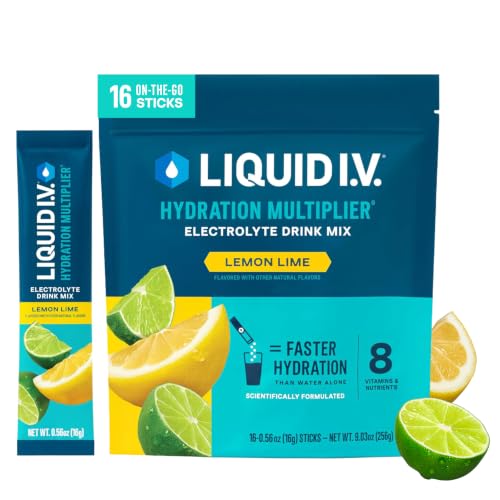
Liquid I.V. Electrolyte Packets (16 ct)
Stay hydrated during stimulation and recovery. Helps prevent OHSS symptoms.

Ekouaer 2-Pack Pajama Lounge Set
Soft, loose-fitting clothes for recovery days. Avoid tight waistbands post-retrieval.
Conclusion: Know Your Rights
Understanding egg donation laws is essential for protecting yourself as a donor. While the legal landscape varies by state, the good news is that with proper legal agreements—which all reputable agencies require—donors are well-protected across the country.
The key takeaways are: work only with reputable agencies, always have your own legal representation, and ensure proper contracts are in place before any medical procedures begin. With these protections, you can donate eggs confidently knowing your legal rights are secured.
Disclaimer: This guide provides general information about egg donation laws as of 2026. It is not legal advice. Always consult with a qualified attorney in your jurisdiction for specific legal guidance regarding your situation.
Calculate Your Potential Earnings
Use our calculator to estimate your egg donation compensation based on your qualifications and location.