Phoenix Egg Donation Pay 2026: Arizona Compensation Guide
Complete guide to egg donor compensation in Phoenix, Scottsdale, and the Valley. America's fifth-largest city offers growing opportunities with California patient access and strong Hispanic donor demand.
Phoenix - America's Fastest Growing Fertility Market
Phoenix Market Overview
Phoenix has emerged as one of America's most dynamic egg donation markets. As the fifth-largest city in the United States, with a metropolitan population exceeding 5 million, Phoenix offers egg donors a unique combination of competitive compensation, growing demand, and access to quality medical facilities. The city's proximity to California brings patients seeking more affordable treatment, while Arizona's favorable regulations make it an attractive destination for fertility services.
The Phoenix metropolitan area—including Scottsdale, Tempe, Mesa, and Chandler—hosts over a dozen fertility clinics serving patients from across the Southwest. Arizona State University, one of the largest public universities in the country, provides a steady supply of young, educated potential donors, while the city's substantial Hispanic population (approximately 43%) creates premium demand for Hispanic egg donors.
Phoenix Market Highlights 2026
- ★5th largest US city with rapidly growing fertility industry
- ★California patient access - lower costs attract CA intended parents
- ★Strong Hispanic donor demand (43% Hispanic population)
- ★ASU student population - large young donor pool
- ★Lower cost of living = higher purchasing power for donors
Arizona's legal environment is favorable for egg donation, with clear statutes protecting donor anonymity and establishing parental rights for intended parents. The state has no specific restrictions on egg donation compensation, allowing market rates to determine pay. Phoenix's lower cost of living compared to California means donor compensation goes further, providing excellent value for both donors and intended parents.

2026 Compensation Rates
Phoenix egg donor compensation typically falls slightly below major coastal markets but offers excellent value when considering the lower cost of living. Base compensation remains competitive, and premium donors—particularly those with Hispanic heritage or exceptional qualifications—can earn rates comparable to larger markets.
| Donor Category | Compensation Range | Notes |
|---|---|---|
| First-Time Donor | $6,000 - $9,000 | Arizona market standard |
| Repeat Donor (2-3 cycles) | $8,000 - $12,000 | Proven success premium |
| Experienced (4+ cycles) | $10,000 - $15,000 | Strong track record |
| Hispanic Donor | $8,000 - $25,000 | High demand in Arizona |
| Asian Donor | $10,000 - $30,000 | California patient demand |
| College Athlete (ASU/UofA) | $10,000 - $20,000 | Athletic premium |
| Exceptional Donor | $20,000 - $40,000+ | Multiple premium factors |
Cost of Living Advantage
Phoenix's lower cost of living means your compensation goes further:
- Housing: 45% lower than San Francisco, 35% lower than LA
- Overall expenses: 25% lower than California average
- Result: $8,000 in Phoenix = ~$10,500 purchasing power vs. CA
- No state income tax advantage (Arizona has ~2.5% flat rate)
California Patient Access
One of Phoenix's unique advantages is its accessibility to California intended parents. Many couples and individuals from Los Angeles, San Diego, and other California cities travel to Arizona for fertility treatment, seeking comparable quality at significantly lower costs. This California patient flow creates demand for donors who might otherwise be sought in expensive coastal markets.
Why California Patients Choose Phoenix
Cost Advantages
- IVF cycles 30-40% less expensive
- Lower agency and legal fees
- More affordable medications
- Cheaper travel and lodging
Quality Comparable
- Top-tier fertility clinics
- Experienced reproductive endocrinologists
- Modern laboratory facilities
- Excellent success rates
California intended parents often seek donors of Asian, Hispanic, or mixed heritage—reflecting California's diverse population. This cross-border demand creates opportunities for Phoenix donors to earn competitive compensation while working with patients who might otherwise use expensive California agencies. Some California agencies even recruit Phoenix-area donors and arrange for monitoring at local Phoenix clinics.
For donors, this means access to California-level intended parents (often with higher budgets) while enjoying Phoenix's lower cost of living. The combination can be particularly advantageous, offering the best of both worlds: competitive compensation with reasonable living expenses.

Hispanic Donor Demand
Arizona's substantial Hispanic population—approximately 32% statewide and 43% in Phoenix—creates consistent demand for Hispanic egg donors. This demographic reality, combined with intended parents arriving from California and Latin America, makes Hispanic heritage one of the most valuable donor characteristics in the Phoenix market.
| Hispanic Heritage | Demand Level | Compensation Range |
|---|---|---|
| Mexican | Very High | $10,000 - $25,000 |
| Central American | High | $8,000 - $20,000 |
| South American | High | $8,000 - $20,000 |
| Native American | Moderate | $8,000 - $15,000 |
| Mixed Hispanic | High | $8,000 - $18,000 |
Hispanic donors with additional valued traits can command the highest rates. Bilingual Spanish/English fluency, college education (especially from ASU, U of A, or NAU), and proven donation history all add premium value. Donors who combine Hispanic heritage with professional backgrounds in medicine, law, or business are particularly sought after.
ASU Student Opportunities
Arizona State University—the largest public university in the US by enrollment—provides a significant pool of potential donors:
- Large student body: Over 75,000 students across all campuses
- Diverse population: Significant Hispanic and Asian enrollment
- Flexible schedules: Students can often accommodate monitoring appointments
- Academic bonus: Barrett Honors College students may receive premium rates
- Athletic premium: PAC-12 athletes highly valued
Top Arizona Programs
The Phoenix metropolitan area hosts numerous fertility clinics and agencies, from established local practices to branches of national networks. The following represent some of the top options for egg donors in the Valley.
Arizona Reproductive Medicine Specialists
One of the Valley's largest fertility practices with locations in Phoenix and Scottsdale. Comprehensive donor program with competitive rates.
CCRM Phoenix (Scottsdale)
Part of the prestigious Colorado Center for Reproductive Medicine network. Known for excellent outcomes and premium donor care.
Arizona Center for Fertility Studies
Established practice serving the Phoenix area with an active donor egg program. Accepts donors from throughout the Valley.
Donor Egg Bank USA
National frozen egg bank with Arizona recruitment. Donors receive compensation for creating multiple egg lots.
The World Egg and Sperm Bank
Agency with strong Arizona presence, working with clinics throughout the Southwest. Known for diverse donor pool.
Choosing a Phoenix Program
- Location: Phoenix metro is spread out—consider monitoring location convenience
- Compensation: Compare base rates and ask about bonuses/premiums
- California connections: Some programs work with CA intended parents, often higher pay
- Matching speed: Ask how long typical matching takes for your profile
- Schedule flexibility: Early morning monitoring important for work/school
Donor Requirements
Arizona egg donation programs follow ASRM guidelines while maintaining reasonable flexibility. Requirements are designed to ensure safe, successful donations while welcoming donors from diverse backgrounds.
Basic Requirements
- Age 21-30 (some accept 19-32)
- BMI under 30
- Non-smoker, no recreational drugs
- Regular menstrual cycles
- No hereditary conditions
- Reliable transportation
- Flexible schedule for monitoring
Preferred Qualifications
- College education or enrollment
- Previous pregnancy or donation
- Good AMH/AFC results
- Clean genetic screening
- Positive psychological evaluation
- Stable living situation
- Arizona residency preferred
Phoenix programs may have slightly more flexible requirements than highly competitive coastal markets, providing opportunities for donors who might face more competition elsewhere. However, standards remain high to ensure quality outcomes.
Donation Process
The egg donation process in Phoenix typically takes 2-4 months from application to retrieval. Arizona clinics offer modern facilities and experienced staff for a smooth experience.
Application (1-2 weeks)
Complete detailed application with photos, personal essay, and family health history.
Matching (2-8 weeks)
Profile reviewed by intended parents. Hispanic donors and those with specific traits often match quickly.
Medical Screening (1-2 weeks)
Comprehensive physical, genetic testing, infectious disease screening, and psychological evaluation.
Legal Contracts (1 week)
Review and sign legal agreement with independent attorney (paid by intended parents).
Stimulation (10-14 days)
Daily hormone injections with monitoring every 2-3 days at your chosen clinic.
Egg Retrieval (1 day)
Quick outpatient procedure. Most donors recover within 24-48 hours and return to normal activities.
Frequently Asked Questions
How does Phoenix compensation compare to California?
Phoenix base compensation is typically 20-30% lower than major California markets. However, when adjusted for cost of living, the effective value is comparable. Some California-based agencies recruit Phoenix donors and may offer California-level rates.
Can ASU students donate while taking classes?
Yes, many ASU students successfully donate while attending classes. The most time-intensive phase (monitoring) requires early morning appointments that typically don't conflict with class schedules. Plan your cycle around exam periods for best results.
I live in Tucson. Can I donate in Phoenix?
It's possible but requires significant travel (2+ hours each way) for monitoring appointments. Some donors arrange to stay in Phoenix during the stimulation phase. Alternatively, some Tucson fertility clinics have donor programs, or you might do monitoring in Tucson with retrieval in Phoenix.
Are there Phoenix programs specifically for Hispanic donors?
While most programs serve all ethnicities, several agencies actively recruit Hispanic donors and may offer enhanced compensation for Hispanic heritage. Arizona's demographics make Hispanic donors consistently in demand across all programs.
Is egg donation legal in Arizona?
Yes, egg donation is fully legal in Arizona. The state has clear statutes establishing intended parent rights and protecting donor anonymity. Arizona has no caps on donor compensation, allowing market rates to prevail.
What's the best time of year to donate in Phoenix?
Phoenix's "snowbird" season (October-April) may bring additional intended parents from colder states. Summer months see consistent local demand. Unlike some markets, Phoenix demand remains relatively steady year-round.
Recommended Products
As an Amazon Associate, we earn from qualifying purchases. These products may help with your donation journey.

Pink Stork Total Prenatal + DHA
EssentialStart 2-3 months before donation. Supports egg health and overall fertility.

Pure Enrichment PureRelief Heating Pad
RecoveryRelieves cramps and discomfort during hormone injections and post-retrieval recovery.
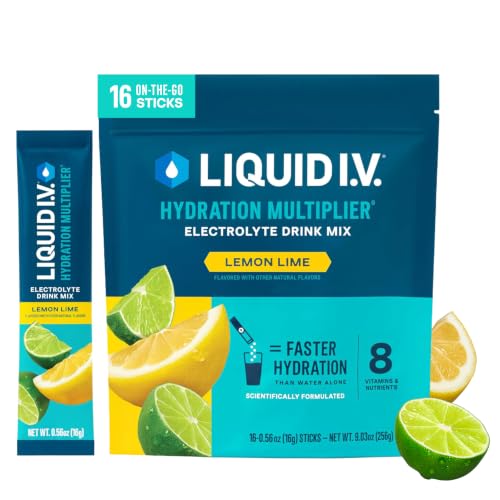
Liquid I.V. Electrolyte Packets (16 ct)
Stay hydrated during stimulation and recovery. Helps prevent OHSS symptoms.

Ekouaer 2-Pack Pajama Lounge Set
Soft, loose-fitting clothes for recovery days. Avoid tight waistbands post-retrieval.
Calculate Your Phoenix Earnings
See how much you could earn as an egg donor in the Phoenix metropolitan area based on your unique qualifications.
Related Guides
Los Angeles Egg Donation Pay 2026
Compare rates in Southern California's largest market.
Las Vegas Egg Donation Pay 2026
Nearby Nevada market with no state income tax.
Denver Egg Donation Pay 2026
Southwest regional alternative in Colorado.
Egg Donation Laws by State 2026
Understanding Arizona legal framework for egg donation.
Ready to Start Your Phoenix Egg Donation Journey?
Join Arizona's growing fertility community and help families while earning competitive compensation.