Jewish Egg Donor Compensation 2026: Premium Rates & Requirements
Complete guide to Jewish egg donor compensation. Jewish heritage is among the most sought-after characteristics in egg donation, commanding premium rates of $15,000 to $100,000+ per cycle.

Jewish Egg Donation - Premium Compensation for Heritage Match
Jewish Egg Donation Overview
Jewish egg donors are among the most sought-after and highest-compensated donors in the fertility industry. The combination of cultural importance placed on Jewish lineage, the relatively small Jewish population (approximately 2% of the US), and strong demand from Jewish intended parents creates a significant supply-demand imbalance that drives premium compensation.
For many Jewish families, having a child with Jewish heritage is deeply important—both culturally and religiously. According to traditional Jewish law (halacha), Jewish status is passed through the mother, making the egg donor's heritage particularly significant for families following Orthodox or Conservative traditions. This religious framework creates unique demand dynamics that benefit Jewish donors.
Why Jewish Donors Command Premium Rates
- ★Limited supply: Only ~2% of US population is Jewish
- ★High demand: Many Jewish families specifically seek Jewish donors
- ★Religious significance: Matrilineal descent in traditional Judaism
- ★Cultural matching: Shared heritage valued by intended parents
- ★Genetic screening: Ashkenazi genetic panel adds medical value
The Jewish community's emphasis on education further enhances donor value. Jewish intended parents often specifically seek donors with strong academic credentials, and Jewish donors frequently meet these expectations. The combination of heritage and education can push compensation to the highest levels in the industry.
2026 Compensation Rates
Jewish egg donor compensation in 2026 reflects the premium value placed on Jewish heritage. Base compensation starts higher than average, with significant additional premiums for Ashkenazi heritage, academic credentials, and specific physical characteristics.
| Donor Profile | Compensation Range | Notes |
|---|---|---|
| First-Time Jewish Donor | $15,000 - $25,000 | Base Jewish premium |
| Ashkenazi Heritage | $20,000 - $50,000 | Highest demand category |
| Sephardic Heritage | $18,000 - $40,000 | Strong specialized demand |
| Jewish + Ivy League | $35,000 - $75,000 | Premium combination |
| Jewish + Medical/Law | $30,000 - $60,000 | Professional premium |
| Repeat Jewish Donor | $25,000 - $50,000 | Proven track record |
| Exceptional Jewish Donor | $75,000 - $100,000+ | Multiple premium factors |
Factors That Increase Jewish Donor Compensation
- Documented lineage: Ability to trace Jewish heritage through maternal line
- Religious observance: Orthodox or Conservative background valued by some
- Academic excellence: Ivy League, top universities add significant premium
- Height: 5'6"+ often preferred
- Physical features: Specific eye/hair color matching intended parent preferences
- Musical/artistic talent: Culturally valued skills add appeal
- Clean Ashkenazi genetic panel: Important for genetic disease screening
Ashkenazi vs Sephardic Demand
Jewish heritage encompasses diverse communities with distinct histories, traditions, and genetic backgrounds. Understanding these distinctions helps donors appreciate why certain backgrounds command different premiums and why genetic screening differs between groups.
Ashkenazi Jewish
- Origin: Eastern European descent
- US Population: ~90% of American Jews
- Demand: Extremely high
- Compensation: $20,000 - $75,000+
- Genetic screening: Expanded Ashkenazi panel required
- Key markets: NYC, Boston, LA, Philadelphia
Sephardic Jewish
- Origin: Spanish, Portuguese, Middle Eastern
- US Population: ~10% of American Jews
- Demand: High (specialized)
- Compensation: $18,000 - $50,000+
- Genetic screening: Different carrier risks
- Key markets: NYC, LA, Miami, Israel connections
Ashkenazi donors undergo specific genetic screening for conditions more prevalent in the Ashkenazi population, including Tay-Sachs disease, Canavan disease, Gaucher disease, and others. A clean genetic panel—showing the donor is not a carrier for these conditions—adds significant value and is often required by intended parents.
Ashkenazi Genetic Panel
Standard Ashkenazi Jewish genetic screening typically tests for:
- Tay-Sachs Disease
- Canavan Disease
- Familial Dysautonomia
- Gaucher Disease
- Bloom Syndrome
- Fanconi Anemia Group C
- Niemann-Pick Disease Type A
- Mucolipidosis Type IV
- Cystic Fibrosis
- BRCA1/BRCA2 (optional)
Requirements & Screening
Jewish egg donor requirements include standard egg donation criteria plus heritage verification. Agencies and intended parents may request varying levels of documentation depending on their needs.
Standard Requirements
- Age 21-30 (some accept 19-32)
- BMI under 28-30
- Non-smoker, no recreational drugs
- Regular menstrual cycles
- Good physical and mental health
- Reliable and communicative
- Flexible schedule for appointments
Jewish Heritage Verification
- Maternal Jewish lineage preferred
- Family history documentation
- Grandparents' background details
- Synagogue affiliation (if applicable)
- Bat mitzvah or Jewish education
- Genetic testing confirming heritage
- Photo documentation of family
Some intended parents, particularly those following Orthodox traditions, may require more rigorous heritage verification. This can include documentation of maternal lineage through multiple generations or confirmation from a rabbi. Donors with clear, documented Jewish heritage through their mother's line typically have the fastest matching times and highest compensation.
Religious Considerations
For observant Jewish intended parents, egg donation involves halachic (Jewish legal) considerations that may influence their donor preferences. Understanding these factors helps donors appreciate why certain characteristics are valued.
Halachic Considerations in Egg Donation
- Matrilineal descent: Traditional Jewish law determines Jewish status through the mother. There is rabbinic debate about whether the egg donor or birth mother confers Jewish status.
- Conservative approach: Many Orthodox families prefer Jewish donors to avoid any question about the child's Jewish status.
- Rabbinic guidance: Some intended parents consult with rabbis about donor selection and may have specific requirements.
- Conversion option: Some families plan for the child to undergo conversion (giyur l'chumra) regardless of donor heritage.
Donors should note that their personal level of religious observance may or may not matter to intended parents. Some seek observant donors while others simply want Jewish heritage. Being honest about your background—whether secular, Reform, Conservative, or Orthodox—helps ensure good matches.
Top Agencies for Jewish Donors
Several agencies specialize in or have strong programs for Jewish egg donors. These agencies often have relationships with Jewish intended parents and can offer premium compensation for qualified Jewish donors.
A Perfect Match
One of the largest agencies with extensive Jewish donor program. Known for premium compensation and thorough matching.
Egg Donor & Surrogate Solutions
Large agency with diverse donor pool including strong Jewish representation. Premium rates for Jewish donors.
Donor Concierge
Boutique agency known for premium donors and personalized matching. Strong Jewish intended parent clientele.
Growing Generations
Established agency with comprehensive diversity including Jewish donors. Competitive compensation.
Best Markets for Jewish Donors
Jewish donor demand is concentrated in areas with significant Jewish populations. These markets offer the fastest matching and often the highest compensation.
| Market | Jewish Population | Demand Level | Compensation |
|---|---|---|---|
| New York City | 1.6 million | Extremely High | $20,000 - $100,000+ |
| Los Angeles | 620,000 | Very High | $18,000 - $80,000+ |
| South Florida | 550,000 | Very High | $15,000 - $60,000+ |
| Philadelphia | 295,000 | High | $15,000 - $50,000+ |
| Boston | 261,000 | High | $18,000 - $60,000+ |
| Chicago | 292,000 | High | $15,000 - $50,000+ |
| Washington DC | 300,000 | High | $15,000 - $50,000+ |
Jewish donors outside these major markets can still find excellent opportunities, as many agencies work nationally and will arrange travel for the right donor. The shortage of Jewish donors means qualified candidates can often negotiate premium compensation regardless of location.
Donation Process
Application & Heritage Documentation (1-2 weeks)
Complete application with photos, essay, family health history, and Jewish heritage documentation.
Matching (Often Fast for Jewish Donors)
High demand means Jewish donors often match within 1-4 weeks. Premium profiles may match immediately.
Medical & Genetic Screening (1-2 weeks)
Standard screening plus expanded Ashkenazi genetic panel if applicable.
Legal Contracts (1 week)
Review and sign agreement with independent attorney (paid by intended parents).
Stimulation & Monitoring (10-14 days)
Daily hormone injections with regular monitoring appointments.
Egg Retrieval (1 day)
Brief outpatient procedure. Most donors recover within 24-48 hours.
Frequently Asked Questions
Does my Jewish father count if my mother isn't Jewish?
For traditional intended parents, maternal lineage is most important. However, some families accept patrilineal Jewish heritage, especially Reform families. You may still be desirable to some intended parents, though compensation may be slightly lower than for maternal Jewish lineage.
I'm a convert to Judaism. Can I donate as a Jewish donor?
This depends on the intended parents' preferences. Some families accept converts (especially Orthodox conversions), while others specifically seek heritage-based Jewish donors. Be upfront about your background, and the right match will appreciate your honesty.
Do I need to be religious to donate as a Jewish donor?
No. Many Jewish donors are secular. What matters most is heritage, not observance. However, if you are observant, some intended parents may find that appealing. Be honest about your background—there's demand for the full spectrum of Jewish donors.
What if I'm a carrier for Tay-Sachs or other Ashkenazi conditions?
Being a carrier doesn't disqualify you—approximately 1 in 30 Ashkenazi Jews carries Tay-Sachs. What matters is whether the intended father is also a carrier. Many intended parents will still select carrier donors if their partner is not a carrier for the same condition.
How quickly do Jewish donors typically match?
Jewish donors typically match much faster than average—often within 1-4 weeks. Donors with Ashkenazi heritage, strong academics, and desirable physical characteristics may match immediately upon joining an agency database.
Can I donate to both Jewish and non-Jewish intended parents?
Absolutely. Your Jewish heritage is an added value, not a limitation. You can donate to any intended parents who select you. Some Jewish donors choose to donate exclusively to Jewish families, while others are open to all matches.
Recommended Products
As an Amazon Associate, we earn from qualifying purchases. These products may help with your donation journey.

Pink Stork Total Prenatal + DHA
EssentialStart 2-3 months before donation. Supports egg health and overall fertility.

Pure Enrichment PureRelief Heating Pad
RecoveryRelieves cramps and discomfort during hormone injections and post-retrieval recovery.
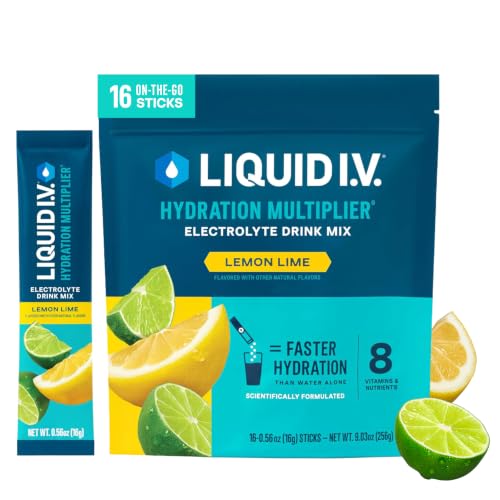
Liquid I.V. Electrolyte Packets (16 ct)
Stay hydrated during stimulation and recovery. Helps prevent OHSS symptoms.

Ekouaer 2-Pack Pajama Lounge Set
Soft, loose-fitting clothes for recovery days. Avoid tight waistbands post-retrieval.
Calculate Your Jewish Donor Earnings
See how much you could earn as a Jewish egg donor based on your heritage, education, and qualifications.
Related Guides
NYC Egg Donation Pay 2026
Highest Jewish population and premium compensation.
Boston Egg Donation Pay 2026
Ivy League premiums and strong Jewish community.
Asian Egg Donor Premium Guide
Compare another high-demand ethnic category.
Egg Donation Laws by State 2026
Legal framework for egg donation nationwide.
Ready to Start Your Jewish Egg Donation Journey?
Join the most in-demand donor category and earn premium compensation while helping Jewish families grow.