Egg Donation BMI Requirements 2026: Weight Limits & Flexibility Guide

Quick Answer:
- Standard requirement: BMI under 30
- Preferred range: BMI 18.5-28
- Some agencies accept: BMI up to 32
- Exceptions exist for athletic builds
- BMI is calculated as: weight (kg) / height (m)²
BMI (Body Mass Index) is one of the most common requirements for egg donation that candidates ask about. Unlike some requirements that are flexible, BMI limits are generally strict because they directly impact medical outcomes and safety. However, there's more nuance than you might think.
This comprehensive guide explains why BMI matters, what the actual limits are at different agencies, exceptions for athletic builds, and practical tips for meeting requirements if you're slightly over the limit.
BMI Requirements Overview

Most egg donation agencies and fertility clinics require donors to have a BMI under 30. Here's how the landscape looks in 2026:
| BMI Range | Category | Eligibility |
|---|---|---|
| Under 18.5 | Underweight | May be disqualified |
| 18.5-24.9 | Normal weight | Ideal - all programs accept |
| 25-27.9 | Overweight | Accepted by all programs |
| 28-29.9 | Overweight | Most programs accept |
| 30-31.9 | Obese Class I | Some programs accept |
| 32+ | Obese Class I-II | Rare exceptions only |
Why BMI Matters for Egg Donation
BMI requirements aren't arbitrary—they're based on medical research showing that weight affects multiple aspects of the egg donation process:
Response to Medications
Higher BMI can affect how your body responds to the hormonal medications used to stimulate egg production. Studies show:
- Higher BMI often requires higher medication doses
- Response may be less predictable
- Cycle monitoring becomes more complex
- Overall costs increase for intended parents
Egg Quality
Research suggests a correlation between BMI and egg quality:
- Higher BMI associated with lower oocyte quality in some studies
- May affect fertilization rates
- Potential impact on embryo development
- Success rates may be slightly lower
Surgical Safety
The egg retrieval procedure has safety considerations related to weight:
- Anesthesia dosing is more complex at higher weights
- Ultrasound visualization may be more difficult
- Recovery time may be longer
- Risk of complications slightly increased
Ovarian Access
Higher BMI can make the retrieval procedure technically more challenging:
- Ovaries may be harder to visualize on ultrasound
- Longer needle path required
- More difficult positioning during procedure
Important Note:
BMI requirements are not about appearance—they're about medical safety and success rates. Clinics want to ensure the best outcomes for both donors and intended parents.
BMI Limits by Agency

Different agencies have different policies. Here's what major programs require in 2026:
Strict BMI Limit (Under 28)
- CCRM (Colorado Center for Reproductive Medicine)
- Shady Grove Fertility
- Some university-affiliated programs
Standard BMI Limit (Under 30)
- Circle Surrogacy & Egg Donation
- ConceiveAbilities
- The World Egg Bank
- Donor Egg Bank USA
- Most fertility clinics
Flexible BMI Limit (Up to 32)
- Some smaller agencies (case-by-case)
- Agencies specifically seeking diverse donors
- Programs with proven donors who gained weight
Calculating Your BMI
BMI is calculated using your height and weight. Here's how:
BMI Formula:
BMI = Weight (kg) ÷ Height (m)²
Or in US units:
BMI = (Weight in lbs ÷ Height in inches²) × 703
BMI Reference Chart
| Height | BMI 25 | BMI 28 | BMI 30 |
|---|---|---|---|
| 5'0" (152 cm) | 128 lbs | 143 lbs | 153 lbs |
| 5'2" (157 cm) | 136 lbs | 153 lbs | 164 lbs |
| 5'4" (163 cm) | 145 lbs | 163 lbs | 174 lbs |
| 5'6" (168 cm) | 155 lbs | 173 lbs | 186 lbs |
| 5'8" (173 cm) | 164 lbs | 184 lbs | 197 lbs |
| 5'10" (178 cm) | 174 lbs | 195 lbs | 209 lbs |
Exceptions & Flexibility
While BMI requirements are generally strict, some exceptions exist:
Proven Donors
If you've successfully donated before and gained some weight, agencies may be more flexible. Your track record of healthy cycles demonstrates that your body responds well to medications despite a higher BMI.
High-Demand Donors
Donors with characteristics in exceptionally high demand (certain ethnicities, educational backgrounds, etc.) may receive more flexibility on BMI, especially if they're only slightly over the limit.
Athletic Builds
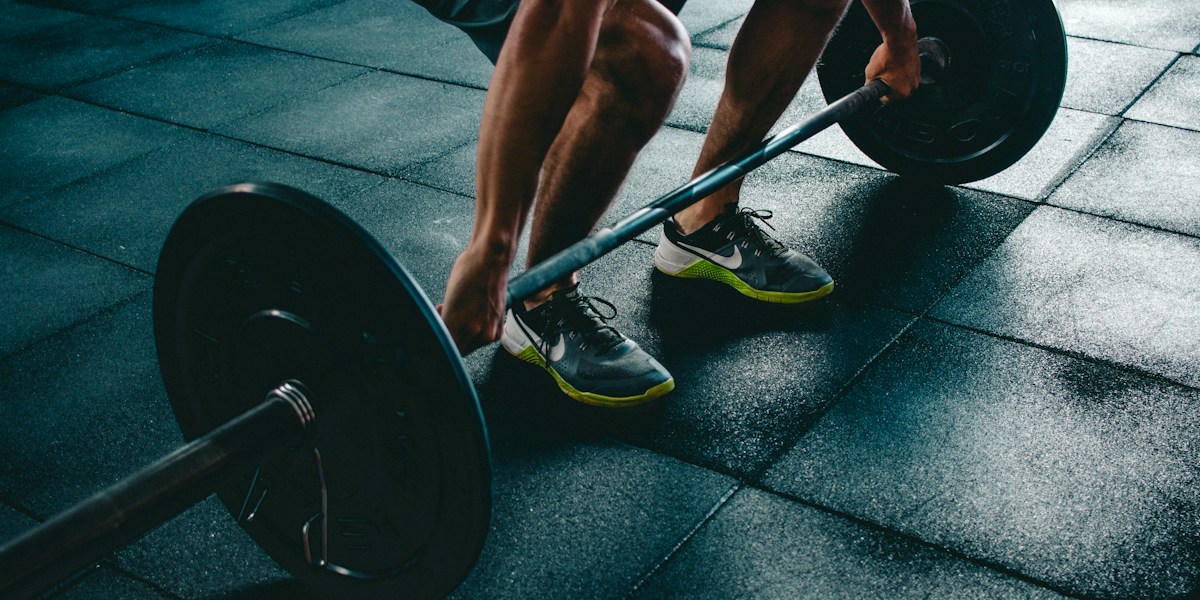
BMI doesn't distinguish between muscle and fat. Athletes and very fit women may have high BMIs due to muscle mass. Agencies often make exceptions with documentation of athletic status or body composition testing.
Tips for Meeting Requirements
If you're slightly over the BMI limit and want to qualify, here are practical strategies:
Healthy Weight Loss Approaches
- Gradual changes: Lose 1-2 pounds per week for sustainable results
- Balanced diet: Focus on whole foods, lean proteins, vegetables
- Regular exercise: Combination of cardio and strength training
- Adequate sleep: Poor sleep affects weight and hormones
- Stay hydrated: Water helps with weight management
Timeline Considerations
- The screening process takes 1-2 months—time to lose a few pounds
- Apply now even if slightly over; mention you're actively working on weight
- Some agencies will hold your application while you reach the limit
- Don't crash diet—rapid weight loss can affect hormone levels
Important Warning:
Don't use extreme dieting or dehydration tactics to temporarily lower your weight for screening. Your weight at screening needs to reflect your actual weight during the donation cycle. Significant weight fluctuations during the cycle can affect medication dosing and outcomes.
Athletic Builds & BMI
BMI is an imperfect measure because it doesn't account for muscle mass. If you're athletic with a high BMI due to muscle, here's what to know:
Documentation That Helps
- Body composition test: DEXA scan or hydrostatic weighing showing body fat percentage
- Athletic history: Collegiate sports, competitions, fitness certifications
- Current training: CrossFit membership, running clubs, sports teams
- Photos: Full-body photos clearly showing athletic build
Body Fat Guidelines
If you can demonstrate healthy body fat percentage, agencies are more likely to overlook BMI:
- Athletes: 14-20% body fat typically accepted
- Fitness enthusiasts: 21-24% typically fine
- Average healthy: 25-31% generally acceptable
Recommended Products
As an Amazon Associate, we earn from qualifying purchases. These products may help with your donation journey.

Pink Stork Total Prenatal + DHA
EssentialStart 2-3 months before donation. Supports egg health and overall fertility.

Pure Enrichment PureRelief Heating Pad
RecoveryRelieves cramps and discomfort during hormone injections and post-retrieval recovery.
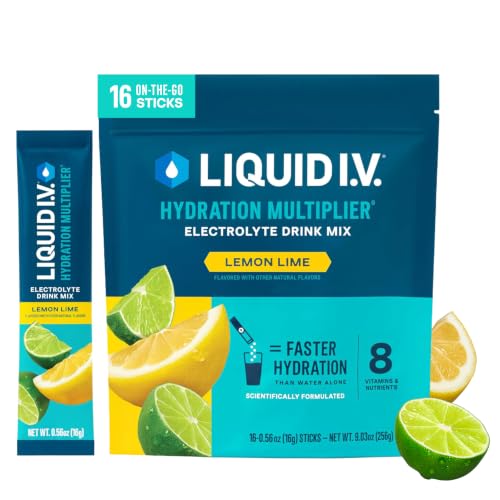
Liquid I.V. Electrolyte Packets (16 ct)
Stay hydrated during stimulation and recovery. Helps prevent OHSS symptoms.

Ekouaer 2-Pack Pajama Lounge Set
Soft, loose-fitting clothes for recovery days. Avoid tight waistbands post-retrieval.
Frequently Asked Questions
My BMI is 31—can I still donate?
It's challenging but not impossible. Some agencies accept BMI up to 32 on a case-by-case basis. If you have other desirable qualities (in-demand ethnicity, proven donor status, exceptional education), you may find a program. Alternatively, losing a few pounds would open most programs to you.
Is BMI checked multiple times?
Yes. You'll be weighed at your initial screening and again during the cycle. Significant weight changes during the process can affect your eligibility and medication dosing. Maintain stable weight throughout.
Can being underweight disqualify me?
Yes, BMI under 18.5 can be disqualifying. Very low body weight can affect hormone levels and fertility. Most programs want donors in the "normal" to slightly "overweight" BMI range (18.5-29.9).
I'm a weightlifter with BMI 32—is there hope?
Possibly. Get a body composition test (DEXA scan) showing your body fat percentage. If it's in the healthy range (under 25-28%), present this documentation to agencies. Some will make exceptions for clearly athletic donors with low body fat despite high BMI.
Should I lose weight quickly to qualify?
No. Crash dieting can disrupt your hormones and menstrual cycle, which would disqualify you anyway. Aim for gradual, sustainable weight loss (1-2 lbs/week). It's better to delay your application a few months than to compromise your health.
Will agencies tell me exactly how much weight to lose?
Most will. If you apply with a BMI of 31 and they require under 30, they'll typically tell you exactly what weight you need to reach based on your height. They may hold your application while you work toward that goal.
Does BMI affect compensation?
Not directly. Compensation is based on other factors like education, ethnicity, and experience. However, you must meet BMI requirements to donate at all. A donor with BMI 22 and a donor with BMI 29 would receive the same compensation if all other factors are equal.
Calculate Your Potential Earnings
See how much you could earn as an egg donor with our free calculator
Try the Egg Donation CalculatorDon't Let BMI Stop You
If you're slightly over the BMI limit, don't give up on egg donation. Many donors have successfully qualified by making modest lifestyle changes. If you're significantly over, consider whether sustainable weight loss could be part of your journey—not just for donation, but for your own health.
For athletes with high muscle mass, document your fitness level and body composition. The right agency will understand that BMI doesn't tell the whole story for genuinely fit individuals.