Egg Donation Age Requirements 2026: Complete Age Limit Guide

Quick Answer:
- Standard age range: 21-31 years old
- Some agencies accept: 19-34 years old
- Peak eligibility: 22-28 years old
- Minimum at most programs: 21 years old
- Maximum at most programs: 31-32 years old
Age is one of the most important factors in egg donation eligibility. Unlike many aspects of your profile, age requirements are non-negotiable at most agencies—they're based on medical science, not preferences. Understanding these requirements can save you time and help you find the right program for your situation.
This comprehensive guide covers age requirements at major agencies, explains why age matters medically, and provides options if you're outside the typical age range. Whether you're 19 and wondering when you can start, or 33 and hoping it's not too late, you'll find answers here.
Age Requirements Overview

The American Society for Reproductive Medicine (ASRM) recommends that egg donors be between 21 and 34 years old. However, most egg donation agencies and fertility clinics set their own limits, typically more conservative than ASRM guidelines:
| Age Range | Availability | Notes |
|---|---|---|
| Under 19 | Not accepted | No legitimate programs accept minors |
| 19-20 | Limited options | Few agencies accept, usually with restrictions |
| 21-28 | Widely accepted | Peak eligibility, all programs accept |
| 29-31 | Most programs | May require additional testing |
| 32-34 | Some programs | Limited options, proven donors preferred |
| 35+ | Very rare | Only exceptional cases with excellent reserves |
Why Age Matters in Egg Donation
Age requirements aren't arbitrary—they're based on reproductive biology and medical outcomes. Understanding the science helps explain why programs set the limits they do.
Egg Quality and Quantity
Women are born with all the eggs they'll ever have—approximately 1-2 million at birth. This number decreases continuously throughout life:
| Age | Approximate Eggs Remaining | Egg Quality |
|---|---|---|
| Birth | 1-2 million | N/A |
| Puberty | 300,000-400,000 | Excellent |
| Early 20s | 100,000-150,000 | Peak quality |
| Late 20s | 50,000-80,000 | Excellent |
| Early 30s | 25,000-50,000 | Good, beginning to decline |
| Mid-30s | 10,000-25,000 | Declining |
| 40+ | 5,000-10,000 | Significantly reduced |
Chromosomal Abnormalities
As eggs age, they become more prone to chromosomal abnormalities, which can lead to failed implantation, miscarriage, or genetic disorders. The rate of abnormal eggs increases significantly after age 35:
- Age 25: Approximately 25% of eggs have chromosomal abnormalities
- Age 30: Approximately 30% abnormal
- Age 35: Approximately 40% abnormal
- Age 40: Approximately 60% abnormal
Response to Stimulation Medications
Younger donors typically respond better to ovarian stimulation medications, producing more eggs per cycle. This matters because not every egg retrieved will result in a viable embryo:
- Donors 21-27: Average 15-25 eggs per retrieval
- Donors 28-31: Average 12-20 eggs per retrieval
- Donors 32-34: Average 8-15 eggs per retrieval
Success Rates
Using eggs from younger donors significantly improves IVF success rates:
| Donor Age | Live Birth Rate per Transfer |
|---|---|
| Under 25 | 55-65% |
| 25-29 | 50-60% |
| 30-34 | 45-55% |
| 35+ | 35-45% |
Age Requirements by Agency

Different agencies have different age policies. Here's a breakdown of major programs:
Standard Age Range (21-31)
These agencies follow the most common age requirements:
- Shady Grove Fertility: 21-31
- CCRM: 21-30
- Circle Surrogacy & Egg Donation: 21-31
- Egg Donor America: 21-29
- Growing Generations: 21-29
Extended Age Range (Accept 19-20 or 32+)
These programs may accept donors outside the standard range:
- The World Egg Bank: 19-31 (case-by-case for 32+)
- Donor Egg Bank USA: 20-31
- ConceiveAbilities: 21-32
- Fairfax EggBank: 19-31
- My Egg Bank: 21-33 (experienced donors)
Pro Tip:
Age requirements are often more flexible for proven donors with excellent previous results. If you're over 31 but have successfully donated before, mention this when applying—many agencies will consider exceptions.
Under 21: Your Options
If you're 18-20 years old and interested in egg donation, here's what you need to know:
Why Most Programs Require 21+
- Legal considerations: Contracts are more enforceable with adults 21+
- Maturity: Egg donation is a significant decision with lifelong implications
- Psychological evaluation: Assessing readiness is more reliable at 21+
- Life stability: Older donors typically have more stable circumstances
Agencies That Accept 19-20 Year Olds
A few agencies will consider donors aged 19-20:
- Fairfax EggBank: Accepts 19+ with additional screening
- The World Egg Bank: 19+ case-by-case
- Some local clinics: May accept 20-year-olds near their 21st birthday
What to Do While You Wait
- Research agencies and understand the process
- Maintain your health (no smoking, healthy BMI, regular cycles)
- Build your profile—education, achievements, photos
- Apply to agencies close to your 21st birthday
- Some agencies will accept applications 6 months before you turn 21
Over 31: Finding Programs

If you're 32-35, options exist but are more limited. Here's how to find them:
Requirements for Older Donors
Programs that accept donors 32+ typically require:
- Proven donor status: Previous successful donation cycles
- Excellent ovarian reserve: High AMH levels, good antral follicle count
- Exceptional health: Perfect BMI, no health issues
- Strong genetic screening: Clean family history
- Previous pregnancies: May indicate good fertility
Agencies That Accept 32+
- ConceiveAbilities: Up to 32 (33+ for proven donors)
- My Egg Bank: Up to 33 for experienced donors
- Private matches: Some intended parents specifically seek older, more mature donors
- University-affiliated clinics: May have more flexible policies
Getting Your Ovarian Reserve Tested
If you're over 31 and want to donate, getting your ovarian reserve tested before applying can help:
- AMH (Anti-Müllerian Hormone): Blood test measuring egg supply
- AFC (Antral Follicle Count): Ultrasound counting visible follicles
- FSH (Follicle Stimulating Hormone): Day 3 blood test
If your results are excellent (AMH above 2.0 ng/mL, AFC above 15), mention this when applying—it strengthens your case considerably.
How Age Affects Compensation
While age doesn't directly determine pay, it indirectly affects compensation:
| Age Group | Typical Compensation | Notes |
|---|---|---|
| 21-24 | $7,000-$12,000 | Standard first-time rates, highest demand |
| 25-28 | $8,000-$15,000 | Peak earning potential, often repeat donors |
| 29-31 | $7,000-$12,000 | Good rates, may need proven status |
| 32-34 | $6,000-$10,000 | Limited programs, usually proven donors |
Important:
Compensation is primarily driven by your profile characteristics, experience level, and market demand—not age alone. A 31-year-old with a Master's degree and exceptional qualities may earn more than a 22-year-old without distinguishing features.
Medical Factors by Age

Understanding medical considerations at different ages helps set realistic expectations:
Ages 21-25
- Peak fertility and egg quality
- Excellent response to stimulation medications
- Highest egg yields per cycle
- Lowest risk of complications
- Best success rates for intended parents
Ages 26-29
- Still excellent fertility
- Strong response to medications
- Good egg yields (typically 12-20+ eggs)
- Valued for maturity and stability
- Often more complete profiles (education, career)
Ages 30-32
- Beginning of fertility decline
- May need higher medication doses
- Slightly lower egg yields
- Additional testing often required (AMH, AFC)
- Proven donor history helps significantly
Ages 33-35
- Noticeable fertility decline
- Fewer eggs per retrieval
- Higher chance of chromosomal abnormalities
- Most programs won't accept new donors
- Only proven donors with excellent reserves considered
Recommended Products
As an Amazon Associate, we earn from qualifying purchases. These products may help with your donation journey.

Pink Stork Total Prenatal + DHA
EssentialStart 2-3 months before donation. Supports egg health and overall fertility.

Pure Enrichment PureRelief Heating Pad
RecoveryRelieves cramps and discomfort during hormone injections and post-retrieval recovery.
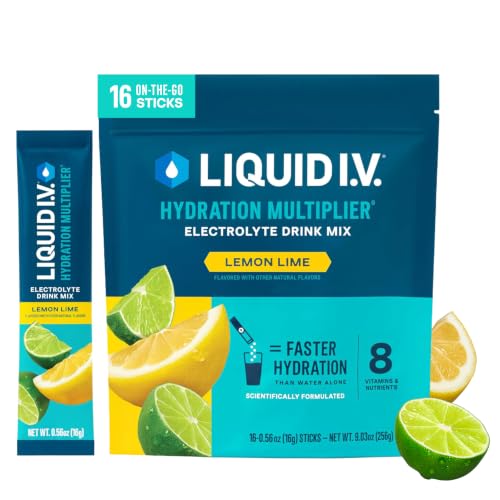
Liquid I.V. Electrolyte Packets (16 ct)
Stay hydrated during stimulation and recovery. Helps prevent OHSS symptoms.

Ekouaer 2-Pack Pajama Lounge Set
Soft, loose-fitting clothes for recovery days. Avoid tight waistbands post-retrieval.
Application Tips by Age Group
If You're 21-25
- Apply to multiple agencies—you're in high demand
- Emphasize reliability and commitment despite your age
- Include educational achievements and future goals
- Consider starting early to maximize potential cycles (up to 6 lifetime)
If You're 26-29
- Highlight your maturity and life experience
- Emphasize career achievements and education
- If planning multiple cycles, start sooner rather than later
- Your age is ideal—leverage it in your profile
If You're 30-31
- Apply quickly—you're at the upper limit for many programs
- Get ovarian reserve testing done proactively
- Highlight any previous successful pregnancies
- Focus on agencies with higher age limits
If You're 32+
- Get AMH and AFC testing before applying
- Target agencies that accept older donors
- Emphasize any previous donation experience
- Be prepared for additional screening requirements
- Consider contacting agencies directly to discuss your situation
Frequently Asked Questions
Can I donate eggs at 35?
It's extremely difficult. Most programs cap at 31-32 for new donors. If you're 35, you'd need to be a proven donor with exceptional ovarian reserves, and very few programs would consider it. At 35, the focus shifts to egg freezing for personal use if you want to preserve fertility.
Why is 21 the minimum age at most agencies?
At 21, you're a legal adult in all aspects, including the ability to purchase alcohol—a standard maturity benchmark. The psychological complexity of egg donation also favors slightly older donors who can fully understand the lifelong implications of their decision.
I'm 20—can I apply now for when I turn 21?
Yes! Many agencies accept applications from donors who are close to 21. You can start the application and screening process a few months before your birthday, so you're ready to match soon after turning 21.
Does age affect how much I get paid?
Not directly. Compensation is based on your profile, experience, and market factors—not your specific age. However, being in the preferred age range (21-29) gives you access to more programs and potentially more matching opportunities.
How many times can I donate if I start at 21?
ASRM recommends a maximum of 6 donation cycles per donor. If you start at 21, you could potentially complete all 6 cycles before reaching age limits at most agencies, maximizing your earning potential over time.
I'm 31 and never donated—am I too old to start?
You're at the cutoff for many programs but not all. Apply to agencies that accept first-time donors up to 31 or 32. Getting your ovarian reserve tested before applying will strengthen your application if your results are good.
Do age requirements differ for frozen vs. fresh donation?
Generally, the same age limits apply to both. However, frozen egg programs sometimes have slightly more flexibility because they can bank eggs from proven donors at peak fertility for future use.
Calculate Your Potential Earnings
See how much you could earn as an egg donor with our free calculator
Try the Egg Donation CalculatorReady to Apply?
If you're within the eligible age range and meet other requirements, egg donation can be a rewarding experience both financially and emotionally. Start by researching agencies that match your age and characteristics, and don't hesitate to apply to multiple programs.
Remember: Your age at application matters, not your age at retrieval. If you're approaching an age limit, apply now while you're still eligible—the screening process can take several months.