Egg Donor Compensation Calculator
See how much you could earn as an egg donor in 2026
Base compensation: $6,000-$9,000 per cycle | Premium profiles: up to $15,000+
Enter Your Information
Most programs require BMI between 18-30
Your Estimated Compensation
Fill out the form to see your estimated egg donation compensation
What Affects Egg Donor Compensation?
Location
Donors in CA, NY, MA, and other major metros earn 10-15% more due to higher demand from fertility clinics.
Education
Donors with Bachelor's degrees earn ~5% more. Graduate/PhD holders can command 8%+ premiums.
Experience
Proven donors with successful prior cycles earn 5-8% more. Track record matters to clinics.
Travel
Willingness to travel opens doors to higher-paying programs. Expect ~10% compensation boost.
Frequently Asked Questions
How much do first-time egg donors get paid?
First-time egg donors typically earn between $6,000 and $10,000 per donation cycle in 2026. Compensation varies by location, with donors in major metro areas (California, New York, Massachusetts) often earning at the higher end. Additional factors like education level, travel willingness, and specific physical characteristics can increase compensation.
How long does the egg donation process take?
The complete egg donation process typically takes 3-6 months from application to retrieval. This includes initial screening (2-4 weeks), matching with intended parents (2-8 weeks), medical and psychological evaluations (2-3 weeks), and the stimulation/retrieval cycle (10-14 days). The actual egg retrieval procedure takes only 15-30 minutes under light sedation.
What are the requirements to become an egg donor?
Common egg donor requirements include: age 18-34 (some programs accept up to 35), BMI between 18-30, non-smoker, no history of genetic disorders, regular menstrual cycles, and willingness to undergo medical screening. Most programs also require at least a high school diploma and a valid driver's license or reliable transportation.
Do repeat egg donors get paid more?
Yes, proven egg donors (those with successful prior donations) typically earn 5-10% more per cycle. If your previous donation resulted in a pregnancy, compensation can be even higher. However, most clinics limit donors to 6 total donation cycles as recommended by the American Society for Reproductive Medicine.
Is egg donor compensation taxable income?
Yes, egg donor compensation is generally considered taxable income by the IRS. You may receive a 1099 form if you earn over $600 from an agency. However, you can potentially deduct related expenses like travel, parking, and time off work. Consult a tax professional for advice specific to your situation.
Are there any risks to donating eggs?
Egg donation is generally safe when performed by qualified medical professionals. Potential short-term effects include bloating, mood changes, and discomfort from hormone injections. Rare risks include ovarian hyperstimulation syndrome (OHSS) which occurs in about 1-2% of cases. Long-term studies have not shown increased cancer risk or fertility problems for donors.
Why do some egg donors get paid more than others?
Compensation varies based on several factors: location (high-demand metro areas pay more), education level (advanced degrees command premiums), prior successful donations, specific physical characteristics requested by intended parents, willingness to travel, and overall health profile. Donors who are highly responsive to stimulation medication may also be preferred for future cycles.
Can I donate eggs if I've never been pregnant?
Yes, you can absolutely donate eggs without having been pregnant. While some intended parents prefer donors with proven fertility, most egg donation programs accept first-time donors who have never been pregnant. Your fertility will be assessed through blood tests and ultrasounds during the screening process.
Frequently Asked Questions
Important Information
Estimates Only: The compensation figures provided by this calculator are estimates based on industry averages and publicly available information. Actual compensation may vary significantly based on individual clinic policies, specific intended parent requirements, and market conditions.
Eligibility Varies: Meeting the basic criteria used by this calculator does not guarantee acceptance into an egg donation program. All donors must pass comprehensive medical screening, genetic testing, and psychological evaluation as determined by individual clinics.
Not Medical Advice: This calculator and website content are for informational purposes only and do not constitute medical, financial, or legal advice. Consult with qualified healthcare providers and legal professionals before making decisions about egg donation.
Age Requirement: You must be at least 18 years old to participate in egg donation programs. Most programs have an upper age limit of 34-35 years.
Explore Other Donation Calculators
Sperm Donation Calculator
Calculate potential earnings from sperm donation. Typical pay: $100-$150 per donation.
Calculate Now →Plasma Donation Calculator
See what you could earn donating plasma. Average: $50-$75 per visit.
Calculate Now →Clinical Trials Calculator
Estimate earnings from clinical trial participation. Pay varies by study type.
Calculate Now →Recommended for Donors
As an Amazon Associate, we earn from qualifying purchases. These products may help with your donation journey.

Pink Stork Total Prenatal + DHA
EssentialStart 2-3 months before donation. Supports egg health and overall fertility.

Pure Enrichment PureRelief Heating Pad
RecoveryRelieves cramps and discomfort during hormone injections and post-retrieval recovery.
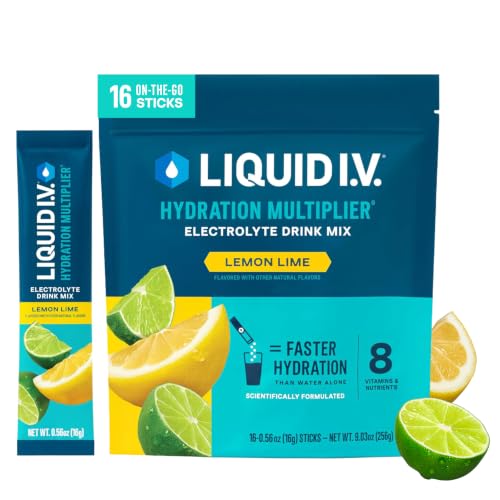
Liquid I.V. Electrolyte Packets (16 ct)
Stay hydrated during stimulation and recovery. Helps prevent OHSS symptoms.

Ekouaer 2-Pack Pajama Lounge Set
Soft, loose-fitting clothes for recovery days. Avoid tight waistbands post-retrieval.