Princeton Egg Donation Pay 2026
#1 University & Ivy League Premium: $10,000-$35,000+
Table of Contents
Princeton Egg Donation Overview
Princeton, New Jersey—home to Princeton University, consistently ranked America's #1 national university—offers the most prestigious egg donation opportunities in the United States. The combination of unparalleled academic excellence, extraordinary selectivity (under 4% acceptance rate), and wealthy intended parents creates compensation rates that rival any market in the world.
Princeton University's unique position as the top-ranked undergraduate institution in America means donors with Princeton affiliation command premium rates that often exceed $30,000 per cycle. The university's emphasis on undergraduate education, prestigious Rhodes and Marshall scholar production, and distinctive residential college system contribute to its unmatched reputation.
In 2026, Princeton-area donors benefit from the town's strategic location between New York City and Philadelphia—two of America's largest fertility markets. This geographic advantage, combined with New Jersey's concentration of high-income households, creates exceptional opportunities for donors seeking maximum compensation.
2026 Compensation Rates
Princeton's egg donation compensation reflects the extraordinary premium placed on academic achievement from America's #1 ranked university:
| Donor Category | Compensation Range | Key Factors |
|---|---|---|
| First-Time Donor (NJ) | $8,000-$12,000 | Base New Jersey market rate |
| First-Time (Princeton Area) | $10,000-$15,000 | Princeton-area premium location |
| Experienced Donor | $15,000-$22,000 | Proven success, repeat cycles |
| Princeton Student/Alumna | $20,000-$35,000+ | #1 University Ivy League premium |
| Princeton PhD/Graduate | $25,000-$45,000+ | Advanced degree from #1 school |
| Exceptional Combination | $35,000-$100,000+ | Perfect SAT, modeling, rare traits |
Record Compensation: Princeton donors with perfect SAT scores, exceptional appearance, and specific ethnic backgrounds have received offers exceeding $100,000 for single cycles. These opportunities, while rare, reflect the extraordinary demand for Princeton-caliber donors.
New Jersey Fertility Market
New Jersey's fertility market benefits from the state's exceptional wealth and concentration of highly educated intended parents:
Highest Income State
New Jersey has the highest median household income in America, creating a donor market where intended parents can afford premium compensation.
Education Concentration
Among the most educated states, with high percentage of advanced degree holders who particularly value academic achievement in donors.
Corporate Headquarters
Pharmaceutical giants (Johnson & Johnson, Merck) and financial firms headquartered in NJ mean many executive-level intended parents.
Medical Excellence
World-class fertility clinics including RMA New Jersey, one of the largest and most successful IVF practices in the world.
The combination of New Jersey wealth and Princeton prestige creates a uniquely favorable market for local donors. Even non-Princeton affiliated donors in the Princeton area often receive above-average compensation due to intended parent preferences for the region.
Top Agencies & Clinics
Princeton-area donors have access to premier fertility clinics and national agencies that pay premium rates for elite university donors:
RMA New Jersey
One of the world's largest and most successful IVF practices, with a comprehensive donor program attracting intended parents globally. Offices throughout central New Jersey provide convenient access for Princeton donors.
IVF New Jersey
Leading regional practice with strong donor recruitment and competitive compensation packages for qualified donors.
National Premium Agencies
Elite national agencies specifically recruit Princeton students, offering $25,000-$50,000+ for verified Princeton donors. These agencies serve intended parents nationwide and internationally.
NYC & Philadelphia Clinics
Princeton's central location provides easy access to major metropolitan clinics that often pay premium rates and cover all travel expenses.
Maximizing Opportunities
Princeton donors should register with both local clinics and national agencies specializing in elite university donors. National agencies often pay significantly more due to their access to high-net-worth intended parents specifically seeking Ivy League donors.
Donor Requirements
Standard eligibility requirements for egg donation in Princeton include:
Basic Qualifications
- ✓Age between 21-31 years (some programs accept 19-32)
- ✓BMI within healthy range (typically 18-29)
- ✓Non-smoker and drug-free
- ✓No significant genetic disorders in family history
- ✓Regular menstrual cycles with both ovaries intact
- ✓Able to commit to 4-8 weeks of appointments
Premium Qualifications (Higher Pay)
- ★Princeton undergraduate or graduate enrollment/degree
- ★Other Ivy League or top-10 university affiliation
- ★SAT 1500+ or ACT 34+ (documented)
- ★Graduate degrees from elite programs
- ★National Merit Scholar or similar achievement
- ★Previous successful donation cycles
- ★Division I athletics, professional arts, or modeling
The Donation Process
The egg donation process in Princeton typically spans 6-10 weeks. Here's what to expect:
Application & Profile (1-2 weeks)
Complete detailed application with photos, academic documentation, transcripts, and standardized test scores. Princeton students should highlight university affiliation prominently.
Matching (1-6 weeks)
Wait for intended parents to select your profile. Princeton affiliates typically receive matches very quickly—often within days—due to exceptional demand.
Screening & Legal (2-3 weeks)
Complete medical evaluation, genetic testing, psychological screening, and legal contract review. All costs covered by intended parents.
Cycle Synchronization (2-4 weeks)
Birth control pills to synchronize your cycle with the intended mother or surrogate's preparation timeline.
Stimulation (10-14 days)
Self-administered hormone injections with regular monitoring (typically 5-7 appointments). Most appointments are morning and quick.
Egg Retrieval (1 day)
Brief outpatient procedure under light sedation. Most donors return to normal activities within 24-48 hours.
Payment
Receive full compensation within 2-5 business days of retrieval. Premium payments for Princeton donors are typically processed immediately.
New Jersey Tax Considerations
Understanding New Jersey's tax implications is especially important given the higher compensation rates available to Princeton donors:
Tax Overview
- •Federal Taxes: Egg donation compensation is taxable income (1099-MISC)
- •NJ State Tax: Progressive rates from 1.4% to 10.75%—among the highest state rates
- •Combined Tax Burden: High earners may face 35-45% effective tax rate on compensation
- •Expense Deductions: Legitimate expenses related to donation may be deductible
Important for High Earners: For $30,000+ donations common for Princeton donors, professional tax planning is strongly recommended. Consider setting aside 35-40% for taxes and consult a CPA familiar with egg donation income.
NYC & Philadelphia Corridor
Princeton's central location between New York City and Philadelphia provides exceptional access to both metropolitan markets:
New York City
Just 60 minutes via NJ Transit to Penn Station, accessing the nation's largest fertility market with the highest concentration of wealthy intended parents.
NYC Premium: Many NYC agencies pay $3,000-$10,000 more for Princeton donors and cover all travel costs.
Philadelphia
Under 50 minutes to Philadelphia's thriving fertility clinic community, including Penn Fertility Care at the renowned Penn Medicine.
Advantage: Philadelphia offers competitive rates with typically easier scheduling and less commute time.
Strategic Location Benefits
- • Access to 30+ fertility clinics within 90-minute radius
- • Ability to shop for highest compensation offers
- • All travel expenses typically covered by intended parents
- • National agencies with NYC/Philly offices actively recruit Princeton students
Frequently Asked Questions
Why do Princeton donors earn so much more?
Princeton's status as America's #1 ranked university creates extraordinary demand. Intended parents—especially those from tech, finance, and academia— specifically seek Princeton genetics. The under-4% acceptance rate means Princeton students represent the most academically exceptional pool in America, and intended parents pay premium rates to access this exclusivity.
How quickly do Princeton students get matched?
Verified Princeton donors typically receive match offers within days, not weeks. Many agencies maintain waitlists of intended parents specifically seeking Princeton donors. Your biggest challenge may be choosing among multiple offers.
Can I balance donation with Princeton coursework?
Many Princeton students successfully donate during the academic year. Monitoring appointments are typically early morning and brief. However, some donors prefer summer or winter break for convenience. Agencies work around your schedule.
Should I donate through Princeton-area clinics or national agencies?
For Princeton students, national agencies specializing in elite university donors often pay significantly more than local clinics. These agencies serve intended parents nationwide who specifically seek Ivy League donors and have larger budgets. Consider registering with both to maximize opportunities.
What if I'm a graduate student at Princeton?
Princeton graduate students often earn even more than undergraduates, especially those in PhD programs in STEM fields, economics, or mathematics. Your advanced expertise and research experience are highly valued by intended parents in technical fields.
How is my Princeton affiliation verified?
Premium agencies verify university affiliation through official transcripts, student ID, or degree certificates. This verification protects the integrity of the premium you receive and ensures intended parents are getting verified Princeton donors.
Recommended Products for Princeton Egg Donors
As an Amazon Associate, we earn from qualifying purchases. These products may help with your donation journey.

Pink Stork Total Prenatal + DHA
EssentialStart 2-3 months before donation. Supports egg health and overall fertility.

Pure Enrichment PureRelief Heating Pad
RecoveryRelieves cramps and discomfort during hormone injections and post-retrieval recovery.
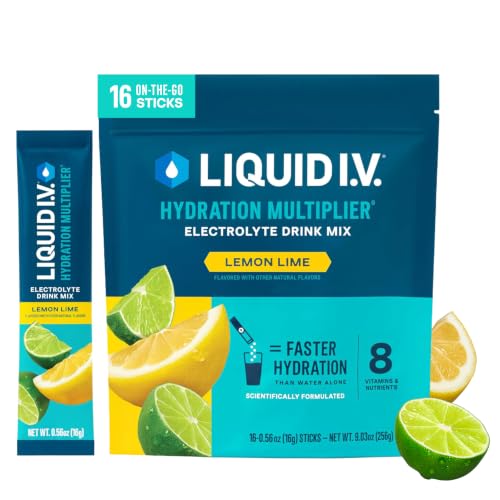
Liquid I.V. Electrolyte Packets (16 ct)
Stay hydrated during stimulation and recovery. Helps prevent OHSS symptoms.

Ekouaer 2-Pack Pajama Lounge Set
Soft, loose-fitting clothes for recovery days. Avoid tight waistbands post-retrieval.
Calculate Your Princeton Premium Compensation
Use our calculator to estimate your egg donation compensation with elite university premiums.
Get Your Personalized EstimateRelated Articles
New Haven Egg Donation Pay Guide 2026
Yale Ivy League premiums in Connecticut.
Ithaca Egg Donation Pay Guide 2026
Cornell Ivy League compensation in upstate NY.
Palo Alto Egg Donation Pay Guide 2026
Stanford University and Silicon Valley premiums.
First-Time Egg Donor Guide
Everything you need to know before your first donation.