Egg Donor Compensation by State 2026: Complete State-by-State Pay Comparison
Where you live — or where you choose to donate — could be worth an extra $10,000 or more per cycle. Egg donor compensation by state varies dramatically: California donors regularly earn $15,000 to $50,000+, while donors in rural states may see offers of $6,000 to $10,000 for the same time commitment. This guide breaks down egg donation pay in all 50 states so you can make the most informed decision about where and how to donate.
2026 Egg Donor Pay — Quick Summary
- • Highest paying state: California — $15,000 to $50,000+ per cycle
- • Second highest: New York — $12,000 to $35,000+ per cycle
- • National average (first-time donors): $8,000 to $15,000 per cycle
- • Lowest paying states: Rural states (Wyoming, Montana, Mississippi) — $6,000 to $10,000
- • States with most agencies: California, New York, Texas, Florida, Illinois
- • Best state for first-time donors: California or Massachusetts (high pay + strong agency support)
- • Biggest factor in pay: Agency density + local cost of living + donor demand
Why Egg Donor Compensation Varies So Much by State
Egg donation is not a federally regulated industry, which means market forces — not government mandates — determine how much you get paid. A donor in San Francisco and a donor in rural Alabama may provide the same biological contribution, but the San Francisco donor could earn three to five times more. Five key factors drive this gap.
1. Cost of Living and Agency Operating Costs
Agencies in high cost-of-living cities pay more because their clients (intended parents) expect and can afford to pay more. A fertility clinic in Manhattan operates on entirely different economics than one in Birmingham. Donor compensation scales with what the market will bear, and high-cost coastal cities set a much higher floor.
2. Agency Density and Competition
California alone has more egg donation agencies than most other states combined. When agencies compete for the same qualified donors, compensation rises. In states with only one or two active agencies, donors have less negotiating power and typically see lower baseline offers.
3. Donor Demand vs. Supply
Cities with large populations of intended parents — and fewer qualified local donors — push compensation up. New York City has an enormous concentration of intended parents who delay family formation due to career demands, creating intense demand. Meanwhile, donors in markets with less intended-parent density see lower offers because the supply-demand equation is less favorable to them.
4. Fertility Clinic Concentration
More fertility clinics in a region means more active donor cycles running at any time, which creates sustained demand for donors. Massachusetts, for example, punches well above its population weight in fertility clinic density — Boston is one of the most active IVF hubs in the country — which keeps donor compensation consistently high.
5. Legal Environment
States with clear, donor-protective legal frameworks attract more agencies and intended parents. California's comprehensive Assisted Reproductive Technology statutes make it the industry gold standard, drawing agencies and clients from around the world. This legal clarity enables higher-value transactions and premium donor compensation.
Tier 1: Highest Paying States — $12,000 to $50,000+ Per Cycle
These five states represent the top tier of egg donor compensation in the United States. All share high concentrations of fertility clinics, active agency markets, and substantial populations of intended parents. If you live in — or are willing to travel to — any of these states, you have access to the highest pay in the country.
California — $15,000 to $50,000+ Per Cycle
- Pay range: $15,000 – $50,000+ (standard to premium donors)
- First-time donor average: $15,000 – $20,000
- Top markets: Los Angeles, San Francisco, San Diego, Silicon Valley
- Agency count: 30+ active agencies statewide
- Key driver: Largest ART market in the US, highest intended-parent density
California is the unambiguous leader in egg donor compensation, and it is not close. Los Angeles alone has more active egg donation agencies than most entire states, and the competition for qualified donors keeps compensation reliably high. First-time donors in Los Angeles should expect baseline offers of $15,000 to $20,000, with premium donors — those with graduate degrees, specific ethnic backgrounds, or exceptional profiles — routinely commanding $25,000 to $50,000 per cycle.
San Francisco and Silicon Valley add another dynamic: the concentration of high-earning tech industry professionals as intended parents creates demand for highly educated donors. Donors with STEM backgrounds, advanced degrees, or Ivy League credentials can expect especially competitive offers in the Bay Area market.
San Diego rounds out California's top three markets with a strong military and biotech presence creating steady demand. The city also hosts several major fertility clinic networks that maintain active donor programs year-round.
New York — $12,000 to $35,000+ Per Cycle
- Pay range: $12,000 – $35,000+ (NYC especially high)
- First-time donor average: $12,000 – $18,000
- Top markets: New York City, Long Island, Westchester
- Agency count: 20+ active agencies
- Key driver: NYC is the second-largest ART market; 2021 legal reform opened the market fully
New York's egg donor market was dramatically reshaped in 2021 when the Child-Parent Security Act passed, finally allowing compensated gestational surrogacy and creating clearer frameworks for egg donation. The result has been an explosion of agency activity and rising compensation. New York City donors today earn compensation that rivals — and occasionally exceeds — Los Angeles.
NYC's high cost of living and enormous population of career-focused intended parents who delay family formation keeps demand consistently high. Donors who can commute to Manhattan clinics have access to the full New York premium. Donors further upstate or in smaller New York cities typically see rates 20 to 30 percent below the NYC market.
Massachusetts — $10,000 to $25,000+ Per Cycle
- Pay range: $10,000 – $25,000+
- First-time donor average: $10,000 – $15,000
- Top markets: Boston, Cambridge, Worcester
- Agency count: 10+ active agencies
- Key driver: Boston is one of the nation's top fertility hubs; massive university-educated donor pool creates both supply and premium demand
Boston's unique combination of world-class fertility medicine and a massive university student population makes it a standout market. The city's fertility clinics — including those affiliated with Harvard and Tufts — are among the most active in the country. Donors with Boston-area university credentials command premiums that reflect the city's academic culture.
Connecticut — $10,000 to $20,000+ Per Cycle
Connecticut benefits from its proximity to New York City and its own high-income residential population. Many NYC-based agencies actively recruit in Connecticut, and the state's own fertility clinics — particularly in Fairfield County — pay compensation that reflects the area's high cost of living. Yale's presence in New Haven creates additional demand for academic-profile donors. First-time donors can reliably expect $10,000 to $14,000 from established agencies.
New Jersey — $10,000 to $20,000+ Per Cycle
New Jersey operates as an extension of the New York metro market, and many NYC-based agencies work with NJ-based donors without requiring relocation. The northern and central Jersey corridor has its own active fertility clinic network, and donors within commuting distance of Manhattan clinics can access the full NYC pay scale. Compensation in NJ typically runs 10 to 15 percent below equivalent NYC rates for donors staying within state.
Tier 2: Above Average Paying States — $10,000 to $18,000 Per Cycle
These states have active fertility markets, established agency networks, and compensation that exceeds the national average for first-time donors. They represent excellent opportunities for donors who want strong pay without the cost of relocating to a Tier 1 state.
| State | Pay Range | Top Market | Key Notes |
|---|---|---|---|
| Texas | $10,000 – $18,000 | Houston, Dallas, Austin | Strong legal framework; Houston is the top market; Austin growing fast |
| Illinois | $10,000 – $16,000 | Chicago | Chicago is the Midwest's top fertility hub; high demand from diverse intended parents |
| Florida | $10,000 – $16,000 | Miami, Tampa | Miami's international client base drives premium demand; strong Spanish-speaking donor market |
| Washington | $10,000 – $15,000 | Seattle | Seattle's tech industry creates high-income intended parent pool; STEM donor premiums common |
| Colorado | $10,000 – $15,000 | Denver | Denver's rapidly growing population and strong legal environment; Colorado Center for Reproductive Medicine is a national leader |
| Pennsylvania | $10,000 – $14,000 | Philadelphia | Philadelphia benefits from proximity to NYC market; Penn Medicine and Jefferson Health drive demand |
Texas — $10,000 to $18,000
Texas has one of the strongest legal frameworks for egg donation in the country, and its three major metros each support active donor markets. Houston leads as the state's top fertility market, driven in part by its massive and diverse population. Dallas has seen significant agency growth in the past three years as the city's population has surged. Austin's rapid growth has brought younger, tech-industry intended parents who are driving increased demand and rising compensation. First-time donors across Texas should expect baseline offers of $10,000 to $13,000, with premium profiles earning $15,000 to $18,000.
Illinois (Chicago) — $10,000 to $16,000
Chicago is the Midwest's dominant fertility market and offers compensation that puts it solidly in the above-average tier. The city's diversity is a significant factor: agencies serving Chicago's diverse intended parent community actively seek donors from a wide range of ethnic backgrounds, which can create premium opportunities for donors with specific profiles. Donors in Chicago also benefit from the Illinois Gestational Surrogacy Act, which provides a clear legal framework that makes agencies more willing to work with donors on competitive compensation packages.
Florida — $10,000 to $16,000
Florida's egg donation market is one of the most internationally influenced in the country, particularly in Miami. The city draws intended parents from Latin America and Europe who are willing to pay premium rates for specific donor profiles, especially donors of Hispanic, Brazilian, or Eastern European descent. Miami donors can access some of the highest rates in the Tier 2 category. Tampa's market is smaller but growing, with compensation running roughly 10 to 15 percent below Miami rates.
Tier 3: Average Paying States — $8,000 to $12,000 Per Cycle
These states have active fertility markets but smaller agency networks and lower intended-parent density than Tier 1 and Tier 2 states. First-time donors can still earn well above their local average income, and experienced or premium donors can negotiate higher rates.
| State | Pay Range | Primary Market |
|---|---|---|
| Georgia | $8,000 – $12,000 | Atlanta |
| Virginia | $8,000 – $12,000 | Northern Virginia / DC suburbs |
| Maryland | $8,000 – $12,000 | Baltimore, DC suburbs |
| Oregon | $8,000 – $12,000 | Portland |
| Arizona | $8,000 – $12,000 | Phoenix, Scottsdale |
| North Carolina | $8,000 – $11,000 | Raleigh-Durham, Charlotte |
| Ohio | $8,000 – $11,000 | Columbus, Cleveland |
| Michigan | $8,000 – $11,000 | Ann Arbor, Detroit |
| Minnesota | $8,000 – $11,000 | Minneapolis |
Georgia's Atlanta market is worth a closer look within this tier. Atlanta has seen rapid population growth and increasing fertility clinic density, pushing average compensation toward the upper end of this range. Donors with specific ethnic backgrounds — particularly African American donors — may find Atlanta's market particularly favorable due to high demand relative to supply. North Carolina's Research Triangle (Raleigh-Durham) benefits from its research university concentration, and donors affiliated with Duke, UNC, or NC State can command academic premiums.
Tier 4: Below Average Paying States — $6,000 to $10,000 Per Cycle
Rural and lower-population states typically fall into this tier. Fewer agencies, lower intended-parent density, and less clinic competition result in lower baseline compensation. That said, $6,000 to $10,000 still represents meaningful income, and donors in these states who are willing to work with out-of-state agencies or travel can access significantly higher pay.
Strategy Note for Tier 4 Donors:
If you live in a lower-paying state, working with agencies based in California, New York, or Texas — even for a single cycle — can more than double your compensation compared to local offers. Many national agencies fly donors to their clinic networks. The cost of a round-trip flight is almost always covered, and the pay difference makes travel well worth considering.
| State | Typical Pay Range | Notes |
|---|---|---|
| Alabama | $6,000 – $9,000 | Birmingham has some activity; limited agencies |
| Mississippi | $6,000 – $8,500 | Very limited local agencies; most donors work out-of-state |
| Wyoming | $6,000 – $8,000 | Minimal local market; Denver (CO) is closest major hub |
| Montana | $6,000 – $8,000 | No major local agencies; travel to Seattle or Denver recommended |
| North Dakota | $6,000 – $8,500 | Limited local options; Minneapolis is the nearest major hub |
| South Dakota | $6,000 – $8,500 | Similar to ND; national agencies recommend travel |
| West Virginia | $6,500 – $9,000 | Proximity to Pittsburgh and DC helps; limited local market |
| Arkansas | $6,500 – $9,000 | Limited local activity; Dallas agencies sometimes recruit here |
All 50 States: Egg Donor Pay Comparison Table (2026)
These figures come from the same egg donor compensation model that runs our calculator: a first-time donor aged 21 to 29 who does not smoke, adjusted by each state's pay factor. Treat them as a starting estimate, not a quote. Agency programs in high-cost markets often advertise more than this baseline, and repeat donors are usually paid more per cycle.
| State | First Cycle (Model Estimate) | State Pay Factor |
|---|---|---|
| Alabama | $6,600 to $9,900 | 0.95x |
| Alaska | $6,600 to $9,900 | 0.95x |
| Arizona | $7,100 to $10,600 | 1.02x |
| Arkansas | $6,600 to $9,900 | 0.95x |
| California | $8,000 to $12,000 | 1.15x |
| Colorado | $7,300 to $10,900 | 1.05x |
| Connecticut | $7,500 to $11,200 | 1.08x |
| Delaware | $6,600 to $9,900 | 0.95x |
| Florida | $7,300 to $10,900 | 1.05x |
| Georgia | $7,100 to $10,600 | 1.02x |
| Hawaii | $6,600 to $9,900 | 0.95x |
| Idaho | $6,600 to $9,900 | 0.95x |
| Illinois | $7,500 to $11,200 | 1.08x |
| Indiana | $6,600 to $9,900 | 0.95x |
| Iowa | $6,600 to $9,900 | 0.95x |
| Kansas | $6,600 to $9,900 | 0.95x |
| Kentucky | $6,600 to $9,900 | 0.95x |
| Louisiana | $6,600 to $9,900 | 0.95x |
| Maine | $6,600 to $9,900 | 0.95x |
| Maryland | $7,300 to $10,900 | 1.05x |
| Massachusetts | $7,600 to $11,400 | 1.10x |
| Michigan | $6,800 to $10,200 | 0.98x |
| Minnesota | $6,900 to $10,400 | 1.00x |
| Mississippi | $6,600 to $9,900 | 0.95x |
| Missouri | $6,600 to $9,900 | 0.95x |
| Montana | $6,600 to $9,900 | 0.95x |
| Nebraska | $6,600 to $9,900 | 0.95x |
| Nevada | $6,600 to $9,900 | 0.95x |
| New Hampshire | $6,600 to $9,900 | 0.95x |
| New Jersey | $7,500 to $11,200 | 1.08x |
| New Mexico | $6,600 to $9,900 | 0.95x |
| New York | $7,800 to $11,600 | 1.12x |
| North Carolina | $6,900 to $10,400 | 1.00x |
| North Dakota | $6,600 to $9,900 | 0.95x |
| Ohio | $6,800 to $10,200 | 0.98x |
| Oklahoma | $6,600 to $9,900 | 0.95x |
| Oregon | $7,100 to $10,700 | 1.03x |
| Pennsylvania | $7,100 to $10,600 | 1.02x |
| Rhode Island | $6,600 to $9,900 | 0.95x |
| South Carolina | $6,600 to $9,900 | 0.95x |
| South Dakota | $6,600 to $9,900 | 0.95x |
| Tennessee | $6,600 to $9,900 | 0.95x |
| Texas | $7,500 to $11,200 | 1.08x |
| Utah | $6,600 to $9,900 | 0.95x |
| Vermont | $6,600 to $9,900 | 0.95x |
| Virginia | $7,100 to $10,700 | 1.03x |
| Washington | $7,600 to $11,400 | 1.10x |
| West Virginia | $6,600 to $9,900 | 0.95x |
| Wisconsin | $6,600 to $9,900 | 0.95x |
| Wyoming | $6,600 to $9,900 | 0.95x |
City guides go deeper on local programs and taxes: see Baton Rouge egg donation pay, Chicago egg donor pay and the highest paying egg donation agencies.
States With the Most Egg Donor Demand in 2026
High demand does not always mean the highest pay — but it does mean faster matching, more agency options, and greater negotiating leverage. These five states consistently have more intended parents seeking donors than available qualified donors, which gives you real bargaining power.
California
The nation's largest ART market. Demand consistently outpaces supply of qualified donors, keeping compensation at the top of the national range. International intended parents and same-sex couples drive additional demand.
New York
NYC's large population of career-focused professionals who delayed family formation creates enormous and sustained demand. The 2021 legal reform opened the market further and demand has grown significantly since.
Texas
Texas's three major metros (Houston, Dallas, Austin) together represent one of the nation's largest donor markets. Rapid population growth in Austin and DFW has pushed demand up faster than local donor supply can meet it.
Florida
Florida's unique mix of domestic and international intended parents — particularly in Miami — creates diverse and high-volume demand. Spanish-speaking and Hispanic donors are especially sought after in the South Florida market.
Illinois
Chicago is the Midwest's fertility capital, and its diverse population of intended parents creates demand for donors from a wide range of backgrounds. The city's large South Asian and East Asian communities create consistent demand for donors from those backgrounds at premium rates.
Legal Considerations by State
The legal environment varies significantly by state and affects everything from how your compensation is structured to your anonymity protections. Here is what every donor needs to understand before choosing where to donate.
Anonymous vs. Open-ID Donation
All states currently allow both anonymous and open-identity donation. Anonymous donation means your identifying information is never shared with recipients or any children born from your donation. Open-ID donation means offspring can access your identity when they turn 18. Open-ID donations typically command a premium of $1,000 to $3,000 above anonymous rates because fewer donors choose this option. The choice is yours, and it does not affect your legal rights either way.
An important caveat: consumer DNA testing services (23andMe, AncestryDNA, etc.) have made complete anonymity increasingly difficult to guarantee over the long term. Children born from anonymous donations may be able to identify genetic relatives through DNA databases. This does not create any legal obligation, but it is a reality donors should factor into their decision.
Parental Rights by State
With proper legal agreements in place, egg donors have no parental rights or obligations in any US state. No donor has ever been successfully held responsible for child support from a properly contracted egg donation. However, the strength of the legal framework protecting you varies:
- Strongest protections: California, Texas, Illinois, Nevada, Connecticut — explicit statutes covering egg donation
- Strong protections: New York (post-2021), Florida, Massachusetts, Colorado, Washington, Oregon, New Jersey
- Contract-based protections: All other states — contracts are the primary protection; legal representation is essential
Contract Requirements
Reputable agencies in all states require a formal egg donation agreement reviewed by an independent attorney (paid for by the agency, not by you). This contract covers your compensation, the payment schedule, what happens if your cycle is cancelled, your anonymity terms, and the legal relinquishment of any parental rights. Never proceed with a donation without this contract in place. If an agency does not provide independent legal counsel, that is a serious red flag.
No State Caps Egg Donor Compensation:
As of 2026, no US state has a legal cap on egg donor compensation. The ASRM's professional guideline suggesting justification for payments above $10,000 is not law — it is a voluntary professional recommendation that most agencies and clinics treat as a suggestion, not a ceiling. Many donors legally receive $15,000 to $50,000 or more per cycle.
How to Get Higher Pay Regardless of What State You're In
Your state is one factor in your compensation — but it is not the only one, and it is not fixed. Here are proven strategies that donors in any state use to maximize their earnings.
1. Apply to Multiple Agencies
There is no rule preventing you from applying to multiple agencies simultaneously. Applying to five to ten agencies — including national agencies based in high-paying states — gives you comparison data and negotiating leverage. Once you have multiple offers in hand, you can choose the best combination of compensation, agency reputation, and cycle logistics.
2. Work With National Agencies That Travel Donors
Major national agencies — including those headquartered in California, New York, and Texas — routinely work with donors from other states and cover all travel expenses. If you are in a Tier 4 state earning $6,000 to $8,000 locally, a California-based agency might offer $15,000 to $18,000 for the same cycle, with all flights and hotels fully covered. This strategy alone can double or triple your effective compensation.
3. Build a Strong Donor Profile
Your profile is your primary marketing tool. Agencies report that donors with detailed, thoughtful, well-photographed profiles receive significantly more inquiries and better compensation offers than those with minimal profiles. Key profile elements that increase your value include:
- High-quality photos (professional or well-lit natural photos, not phone selfies)
- Detailed family health history going back two generations
- Specific descriptions of your personality, hobbies, and values
- Educational background and academic achievements highlighted clearly
- A thoughtful "Why I want to donate" statement that resonates with intended parents
- Completed psychological evaluation and medical records ready to share
4. Leverage Premium Profile Characteristics
Certain characteristics consistently command higher compensation regardless of state. If you have any of the following, make sure agencies are aware of them upfront:
- Advanced degree or enrollment: Graduate, medical, law, or PhD students command premiums of $2,000 to $10,000+
- High-demand ethnic background: Ashkenazi Jewish, East Asian, South Asian, and certain other backgrounds have higher demand relative to supply
- Proven donation history: Successful prior cycles significantly increase your value to agencies
- Athletic or creative achievements: Division I athletes, professional musicians, published authors, and similar accomplishments add value
- Willingness to be open-ID: Adds $1,000 to $3,000 in most markets
5. Be Selective and Patient
First-time donors who accept the first offer they receive often leave money on the table. Take time to apply to multiple agencies, gather several offers, and then negotiate or simply choose the best package. Agencies expect some comparison shopping and will not penalize you for it. The few extra weeks this takes can be worth thousands of dollars.
Egg Donor Preparation Essentials
As an Amazon Associate, we earn from qualifying purchases. These products may help with your donation journey.

Pink Stork Total Prenatal + DHA
EssentialStart 2-3 months before donation. Supports egg health and overall fertility.

Pure Enrichment PureRelief Heating Pad
RecoveryRelieves cramps and discomfort during hormone injections and post-retrieval recovery.
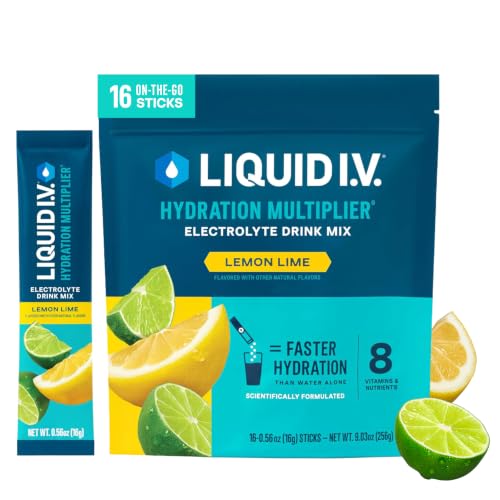
Liquid I.V. Electrolyte Packets (16 ct)
Stay hydrated during stimulation and recovery. Helps prevent OHSS symptoms.

Ekouaer 2-Pack Pajama Lounge Set
Soft, loose-fitting clothes for recovery days. Avoid tight waistbands post-retrieval.
Frequently Asked Questions
Which state pays egg donors the most in 2026?
California pays the highest egg donor compensation in the country, with first-time donors typically earning $15,000 to $20,000 and premium donors earning $25,000 to $50,000+ per cycle. Los Angeles, San Francisco, and San Diego are the top individual markets within California. New York (particularly New York City) is the second-highest paying state, with first-time donors typically earning $12,000 to $18,000.
Can I donate eggs in a higher-paying state if I don't live there?
Yes, and many donors do exactly this. National agencies based in California, New York, and Texas regularly work with out-of-state donors and cover all travel expenses — including flights, hotels, and local transportation. If you live in a lower-paying state, applying to national agencies in higher-paying markets can significantly increase your compensation. The difference can easily justify several trips across the country.
Is the national average for first-time egg donors really $8,000 to $15,000?
Yes. The national average for first-time egg donor compensation from established agencies falls between $8,000 and $15,000 per cycle, with the median closer to $10,000 to $12,000. This average is pulled up significantly by the high-paying coastal markets. Donors in lower-cost states working with local agencies typically see $6,000 to $9,000 for a first cycle, while those in top markets see $15,000 to $20,000. Premium donors — those with graduate degrees, high-demand backgrounds, or proven history — can significantly exceed these averages anywhere.
Do taxes differ by state for egg donor compensation?
Your federal tax liability is the same regardless of state — egg donor compensation is taxable income and you will receive a 1099 form from your agency. State income taxes do vary, however. States with no income tax (Florida, Texas, Washington, Nevada, Wyoming, and others) allow you to keep more of your compensation than high-tax states like California or New York. For a $15,000 cycle payment, California's state income tax could cost you an additional $1,000 to $2,000 compared to donating in a no-income-tax state. This is worth factoring into your net compensation calculation.
Why does California pay so much more for egg donors than other states?
California's outsized egg donor compensation comes from the convergence of several factors: the nation's largest fertility market with the most agency competition, the highest cost of living which raises all compensation benchmarks, a massive population of high-income intended parents (particularly in the tech sector and entertainment industry), the strongest legal framework for assisted reproduction in the US, and significant international demand — many intended parents from countries with stricter egg donation laws travel to California specifically for egg donation services.
Are there states where egg donation is legally restricted?
No US state prohibits egg donation. All 50 states allow compensated egg donation. Legal frameworks differ significantly — some states have explicit statutes protecting donors, while others rely on contract law and case precedent — but donation itself is legal everywhere. Your protections as a donor are strongest in states with comprehensive ART statutes (California, Texas, Illinois, Nevada, Connecticut, New York post-2021), but working with a reputable agency and securing proper legal contracts provides solid protection in any state.
Conclusion: Your State Is a Starting Point, Not a Ceiling
Egg donor compensation by state varies by a factor of five or more from the lowest-paying rural markets to California's premium tier. But your state of residence is not a permanent cap on what you can earn. Donors in lower-paying states who are willing to work with national agencies — or to travel for cycles — can access the full range of national compensation.
The most important steps are to apply to multiple agencies, build a strong and complete donor profile, understand what premium characteristics you may have, and take the time to compare offers before committing. Whether you are in California or Wyoming, those steps will put you in the best position to maximize your compensation and find an agency that values what you bring.
Use the calculator below to get a personalized estimate based on your specific profile and location — and to see what traveling to a higher-paying market might add to your earnings.
Calculate Your Egg Donor Compensation
Get a personalized estimate based on your state, donor profile, and qualifications — including what you could earn by working with out-of-state agencies.
Disclaimer: Compensation figures in this guide reflect market research and agency-reported ranges as of 2026. Actual compensation varies based on individual donor qualifications, agency, clinic, and intended parent matching. These figures are for informational purposes and are not guaranteed offers. Always verify current compensation directly with agencies before applying.