Clinical Trial Preparation and Participation Guide
Quick Answer
Clinical trial preparation varies by study type. Outpatient studies require following pre-visit instructions (fasting, medication washout). Inpatient studies require packing for extended stays with limited outside contact. Post-study considerations include following any discharge instructions, attending follow-up appointments, and observing washout periods before your next study. The key to successful participation is following all protocols precisely.
Pre-Study Preparation
Before Screening
Screening visits determine your eligibility. Prepare by:
- Reviewing all eligibility criteria before applying
- Gathering your complete medical history, including medications
- Being prepared to disclose all health information accurately
- Bringing government-issued ID and any required documentation
- Arriving well-rested and hydrated (unless instructed to fast)
- Allowing adequate time—screening visits can take several hours
Pre-Visit Instructions
Each study has specific pre-visit requirements. Common instructions include:
- Fasting: No food or drink (except water) for 8-12 hours before
- Medication washout: Stopping certain medications days before
- Alcohol restriction: No alcohol for 24-48 hours prior
- Caffeine restriction: No caffeine for 12-24 hours prior
- Exercise restriction: No strenuous activity before certain tests
- Specific diet: Following meal requirements the day before
Understanding the Protocol
Before enrollment, thoroughly understand what participation involves:
- Read the entire informed consent document
- Ask questions about anything unclear
- Understand all procedures, blood draws, and sample collections
- Know the visit schedule and time requirements
- Understand restrictions during participation
- Know the compensation schedule and withdrawal policies
Inpatient Study Preparation
What to Pack
For multi-day inpatient stays, bring items for comfort and entertainment:
- Comfortable clothes (check facility restrictions on logos, strings)
- Non-slip socks or slippers
- Personal toiletries (check if scented products are allowed)
- Entertainment: books, tablets, laptops (facilities usually have WiFi)
- Chargers for electronic devices
- Prescription medications in original bottles (for documentation)
- Sleep aids if you have trouble sleeping in new environments
- Snacks may not be allowed—check the policy
What to Expect During Confinement
Inpatient stays involve structured schedules and restrictions:
- Meals provided at set times—you cannot eat outside meal times
- Limited or no outside visitors
- Scheduled blood draws and procedures throughout the day/night
- Exercise restrictions (often limited to walking)
- Alcohol and caffeine typically prohibited
- Lights out and wake times may be scheduled
- Shared rooms with other participants in some facilities
Managing the Experience
Long stays require mental preparation:
- Bring plenty of entertainment—time can move slowly
- Connect with other participants (shared experience helps)
- Maintain a positive attitude—complaining affects everyone
- Follow all rules even when staff is not watching
- Use the time productively—study, read, work remotely if allowed
- Stay physically active within permitted limits
| Study Type | Preparation Focus | Key Considerations |
|---|---|---|
| Outpatient | Pre-visit instructions | Fasting, medication timing |
| Short inpatient | Overnight packing | Comfort items, entertainment |
| Extended inpatient | Multi-day living | Mental prep, work arrangements |
| Drug administration | Pre-dosing requirements | Fasting, washout compliance |
Common Participation Mistakes
Breaking Fasting Requirements
Even small amounts of food or non-water beverages can invalidate test results. If you accidentally break a fast, disclose it immediately—hiding it can compromise study results and your future participation opportunities.
Sneaking Prohibited Items
Facilities search belongings and conduct random checks. Bringing prohibited items (outside food, alcohol, caffeine) can result in immediate dismissal without compensation. The restrictions exist for scientific validity—respect them.
Incomplete Disclosure
Failing to disclose medications, supplements, or health changes puts you at risk and compromises study data. If something changes between screening and enrollment, report it even if you fear it might disqualify you.
Skipping Follow-Up Visits
Follow-up visits after the main study are often required and compensated. Skipping them affects your payment and may disqualify you from future studies at that facility. Complete the entire protocol as agreed.
Next Steps Based on Your Donation Estimate
- Track visits: Log dates, bonuses, and payouts.
- Prepare properly: Hydration and nutrition reduce deferrals.
- Understand payouts: Fees and timing affect take-home pay.
Frequently Asked Questions
What if I experience side effects during the study?
Report all side effects to study staff immediately, no matter how minor they seem. This is essential for safety and required by research protocols. Side effects are recorded and monitored. In rare cases, you may be withdrawn from the study for your safety—compensation for completed portions typically still applies.
Can I leave an inpatient study if I need to?
You can withdraw from any study at any time—participation is always voluntary. However, early withdrawal affects compensation (you typically receive payment only for completed portions) and may impact future study eligibility. Discuss concerns with staff before deciding to leave.
How long before I can do another study after this one?
Washout periods between drug-administration studies typically range from 30-90 days, sometimes longer for certain medications. The facility will specify your washout requirement at discharge. Observational studies without drug administration may have shorter or no washout requirements.
What should I do after discharge from an inpatient study?
Follow all discharge instructions carefully. These may include restrictions on driving, alcohol, certain activities, or medications for a specified period. Attend all scheduled follow-up visits. Report any delayed side effects. Keep your post-study instruction sheet for reference.
Can I work remotely during an inpatient study?
Many facilities allow remote work if your job permits. They typically provide WiFi access. However, you must be available for all scheduled procedures and cannot miss dosing times or sample collections for work calls. Discuss your work needs with staff before enrolling.
Essentials for Clinical Trial Participants
As an Amazon Associate, we earn from qualifying purchases. These products may help with your donation journey.

Sony WH-1000XM5 Noise-Canceling Headphones
Must HaveEssential for inpatient stays. Block out facility noise for sleep and entertainment.
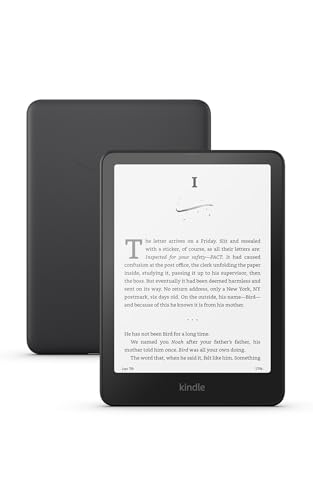
Amazon Kindle Paperwhite
Perfect for long confinement studies. Holds thousands of books, weeks of battery life.

OMRON Bronze Upper Arm Blood Pressure Monitor
Screening PrepTrack your BP before screening to ensure you qualify. Many trials have strict BP limits.

ExploreBliss Memory Foam Travel Pillow
A neck pillow for better sleep during inpatient stays. Facility pillows are often uncomfortable.
Calculate Your Potential Earnings
Estimate compensation for different types of clinical trial participation.
Use Clinical Trials Calculator